[AD] In a world increasingly dominated by screens and sedentary activities, instilling healthy habits in your youngster is more crucial than ever. Teaching them about health and fitness not only promotes physical well-being but also lays the foundation for a lifetime of positive habits. I have teamed up with a Cheltenham private school to explore practical strategies to make health and fitness engaging and enjoyable for your youngster, fostering a holistic approach to their well-being.
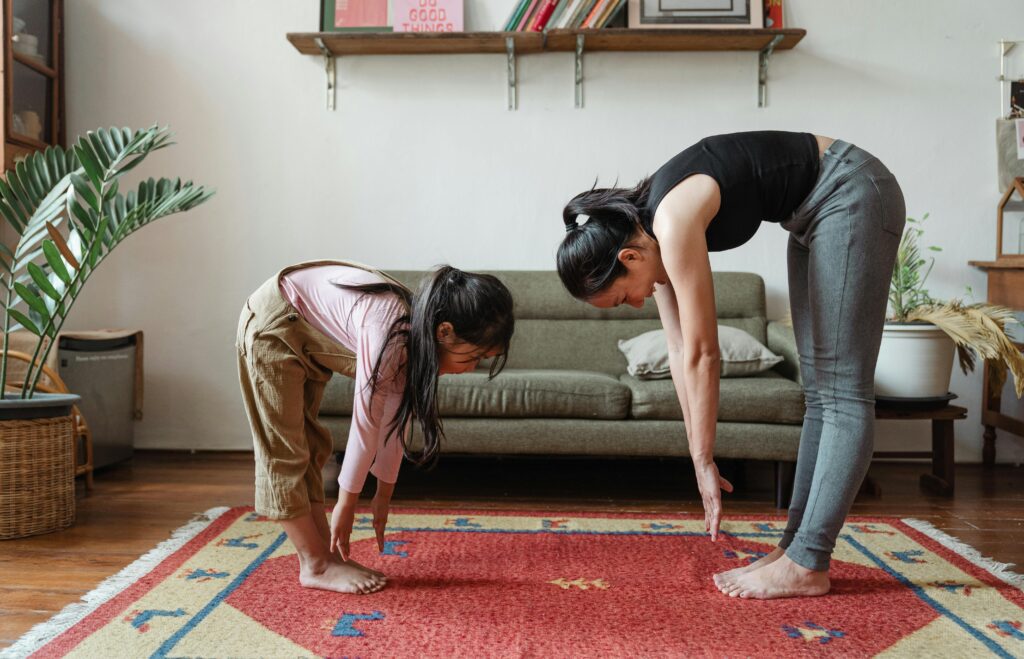
[Photo by Ketut Subiyanto]
1. Lead by Example:
Children are keen observers, and they often emulate the behaviours of those around them. Demonstrate a positive attitude toward health and fitness by incorporating regular exercise, balanced nutrition, and self-care into your own routine. Your actions will serve as a powerful model for your youngster.
2. Make Exercise Fun:
Transform exercise into a playful and enjoyable activity. Engage in activities that your youngster finds entertaining, whether it's playing tag, dancing to music, or going on family nature walks. The key is to associate physical activity with joy and recreation.
3. Explore a Variety of Activities:
Expose your youngster to a range of physical activities to discover what they enjoy. From sports and swimming to yoga and martial arts, offering diverse options allows them to find activities that resonate with their interests and preferences.
4. Set Realistic Goals:
Encourage your youngster to set realistic and achievable fitness goals. Whether it's completing a certain number of jumping jacks or improving their running distance, setting goals provides a sense of accomplishment and motivation.
5. Incorporate Family Fitness:
Make fitness a family affair by involving everyone in physical activities. Family bike rides, hikes, or even home workouts create bonding opportunities and emphasise the importance of shared commitment to health.
6. Educate About Nutrition:
Teach your youngster about the importance of balanced nutrition. Discuss the various food groups, the benefits of fruits and vegetables, and the role of proteins and carbohydrates in providing energy. Involving them in grocery shopping and meal preparation can make learning about nutrition interactive.
7. Introduce Healthy Snacking:
Promote healthy snacking habits by having a variety of nutritious options readily available. Fresh fruits, vegetables with dips, yogurt, and nuts are excellent choices. Reinforce the idea that snacks can be both delicious and good for the body.
8. Stay Hydrated Together:
Emphasise the importance of staying hydrated. Make drinking water a shared practice and explain the benefits of water for overall health. Consider infusing water with fruits for added flavour and appeal.
9. Limit Screen Time:
Set reasonable limits on screen time to encourage physical activity. Designate specific times for active play and outdoor adventures, helping your youngster understand the importance of balancing screen activities with movement.
10. Emphasise Sleep's Role:
Explain the connection between quality sleep and overall health. Establish a consistent bedtime routine to ensure your youngster gets adequate rest, emphasising the positive impact of sleep on energy levels, mood, and overall well-being.
11. Celebrate Achievements:
Celebrate your youngster's fitness achievements, no matter how small. Whether they reach a milestone in a physical activity or try a new healthy food, acknowledging their efforts reinforces positive behaviour.
12. Encourage Free Play:
Allow for unstructured, free play. This can include activities like climbing, running, and imaginative play that not only contribute to physical fitness but also enhance creativity and problem-solving skills.
13. Teach Body Positivity:
Promote a positive body image by emphasising the importance of being healthy rather than conforming to unrealistic ideals. Encourage self-love and appreciation for what their bodies can achieve through regular exercise and nourishment.
14. Provide Educational Resources:
Introduce age-appropriate educational resources about health and fitness. Books, videos, and interactive games can offer valuable insights into the human body, nutrition, and the benefits of an active lifestyle.
15. Be Supportive and Encouraging:
Create an environment where your youngster feels supported and encouraged in their health and fitness journey. Offer praise for their efforts, provide constructive feedback, and be a source of motivation as they navigate the path to a healthier lifestyle.
Teaching your youngster about health and fitness is a gift that extends far beyond their formative years. By fostering a positive and enjoyable approach to physical well-being, you empower them to make informed choices that contribute to a healthy and fulfilling life. Remember, the journey to a fit and healthy lifestyle is a shared adventure, and the habits they develop now will serve as a compass for their well-being in the years to come.