AD. Starting a food business, whether it's a bustling café, a trendy street food van, or a home-based baking enterprise, is an exciting prospect. But turning your culinary passion into a profitable venture requires more than just a great menu. Navigating the web of regulations can feel overwhelming, yet it's a non-negotiable part of building a successful and sustainable business. This guide breaks down the essential legal and safety requirements to help you get started on the right foot.
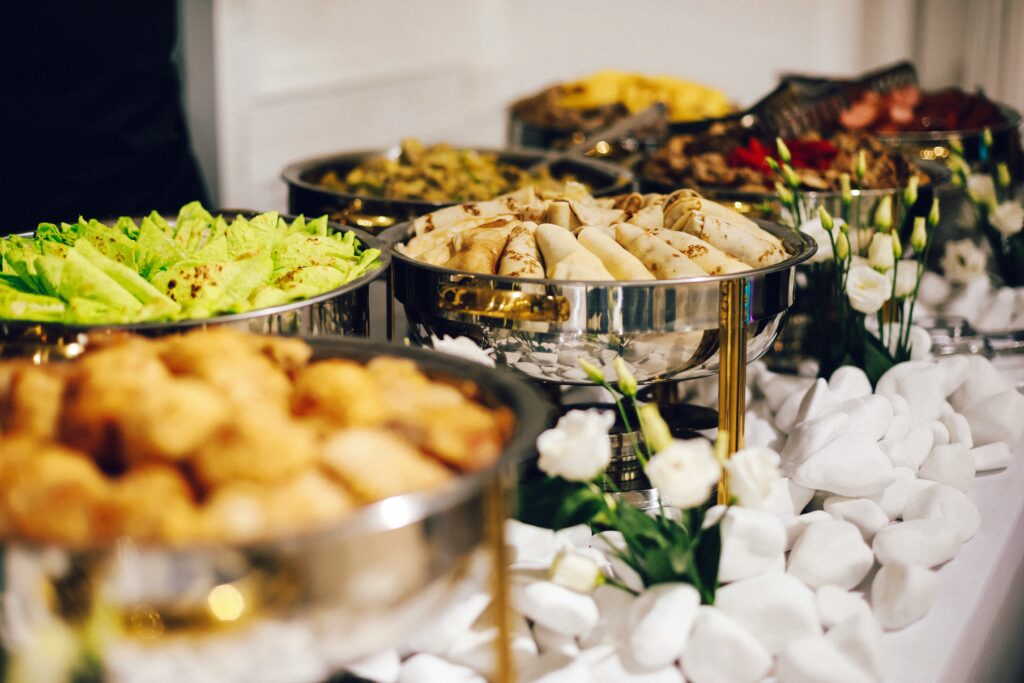
[Photo by Saile Ilyas on Unsplash]
Understanding Food Business Laws
Before you serve your first customer, you need to understand the laws that govern the food industry in the UK. These rules aren't there to stifle your creativity. They protect the public and ensure all food sold is safe to eat. The Food Standards Agency (FSA) oversees this, working with local authorities to enforce the regulations.
Food law primarily focuses on hygiene, traceability, and accurate information. This means you are legally responsible for the safety of the food you produce. You must be able to trace where your ingredients came from (one step back) and, if you supply other businesses, who you sell to (one step forward). Also, any information you provide about your food, especially regarding allergens, must be precise. Specific rules can vary slightly depending on your business type. For instance, operating from a home kitchen has different considerations than a purpose-built commercial unit, but the fundamental principles of safety and hygiene apply everywhere. Understanding this framework is the first step in creating a business customers can trust. A good overview of restaurant industry regulations can provide a solid foundation for any aspiring food entrepreneur.
Protecting Against Legal Liabilities
Running a food business comes with inherent risks. Despite your best efforts, things can sometimes go wrong. A customer could have an allergic reaction, someone might get food poisoning, or an employee could get injured at work. In these situations, you could be held legally and financially responsible, leading to compensation claims that could devastate a new business.
This is where having the right protection becomes critical. Insurance should be a key part of your risk management strategy. It acts as a financial safety net, covering legal costs and compensation awards if a claim is made against you. The main types of cover to consider are:
- Public Liability Insurance: This covers claims from members of the public for injury or property damage caused by your business activities. For example, if a customer slips on a wet floor in your café.
- Product Liability Insurance: This specifically covers claims related to the food you sell. If a customer becomes ill after eating one of your products, this insurance would cover the associated legal and compensation costs.
- Employers' Liability Insurance: If you hire any staff, even part-time or temporary workers, this is a legal requirement in the UK. It covers claims from employees who are injured or become ill because of their work.
For many mobile or small-scale food businesses, specialist policies like catering liability insurance from Mobilers provide targeted cover for these exact risks. Investing in the right insurance isn't just about ticking a box. It’s about safeguarding your livelihood and ensuring your business can survive an unforeseen event.
Key Health and Safety Standards
Beyond general laws, your day-to-day operations must meet specific health and safety standards. These practices prevent foodborne illnesses and create a safe environment for both customers and staff. Your Food Safety Management System is at the heart of this.
Most food businesses need a system based on Hazard Analysis and Critical Control Point (HACCP) principles. This sounds complex, but it's a logical way to manage food safety. It involves identifying potential hazards in your cooking process (like bacterial growth or cross-contamination) and putting controls in place to prevent them. The FSA provides free packs like 'Safer food, better business' to help small businesses implement a simple and effective HACCP plan.
Key areas to focus on include:
- Personal Hygiene: Enforcing strict hand-washing policies and ensuring staff are fit for work.
- Temperature Control: Keeping high-risk foods out of the 'danger zone' (5°C to 63°C) where bacteria multiply rapidly. This means proper refrigeration and thorough cooking.
- Cross-Contamination Prevention: Using separate chopping boards, utensils, and storage for raw and cooked foods.
- Cleaning and Sanitisation: Implementing a regular and recorded cleaning schedule for all equipment and surfaces.
Your local authority's Environmental Health Officer (EHO) will inspect your premises to check that you are meeting these standards. They will then award you a food hygiene rating, which is often displayed publicly. A high rating is a powerful marketing tool, showing your commitment to quality and safety. Following a clear guide to food safety regulations is essential for compliance.
Licensing and Registration Essentials
Getting the right paperwork in order is a crucial step before you can legally trade. The most important requirement for any business that handles, prepares, stores, or sells food is to register with your local council. You must do this at least 28 days before you plan to open. Registration is free and cannot be refused.
The process is straightforward and usually involves completing a form with details about your business and the nature of your food operations. Once registered, an EHO will inspect you. Failing to register is a criminal offence, so this should be at the top of your to-do list. The process for securing a meal prep business licence is similar and highlights the universal need for proper registration.
Depending on your specific business model, you may need other licences. For example:
- If you plan to sell alcohol, you will need a personal licence and a premises licence from your local council.
- If you want to trade from a specific location on the street, you will likely need a street trading licence.
- If you play recorded music for customers or staff, you may need a music licence from PPL PRS.
It's always best to check directly with your local authority to confirm exactly which licences and permits you need for your particular venture.
Building a Compliant Business Model
Compliance isn't a one-off task. It's an ongoing commitment that should be woven into how you run your business. Building a compliant model from the ground up will save you time, money, and stress in the long run. It starts with creating and maintaining a robust food safety management system. This document is your rulebook, detailing all your procedures for handling food safely, from supplier to service. Developing practical habits for running a food business cleanly and consistently can also help turn these standards into manageable daily routines rather than occasional tasks.
Record-keeping is a massive part of this. You should diligently log fridge and freezer temperatures, cooking temperatures, cleaning schedules, and staff training. These records prove your due diligence. If an issue ever arises, these documents demonstrate that you took all reasonable precautions to ensure food safety.
Supplier management is another key pillar. You must be confident that your ingredients are safe and of high quality. Use reputable suppliers who can provide their own food safety credentials. When it comes to your own products, allergen management is paramount. You must have a clear system for tracking the 14 major allergens in your ingredients and accurately communicating this information to customers, especially in light of Natasha's Law for pre-packaged foods for direct sale. Mainstreaming food safety in your business from day one makes it a natural part of your culture, rather than a chore.
By embedding these practices into your daily routine, you create a business that is not only legally compliant but also resilient, reputable, and ready for growth.
With a solid understanding of the regulations and the right protections in place, you can focus your energy on developing delicious food and building a brand that customers love and trust.