AD. Bringing a dog into your family is one of life’s great joys. From the chaotic, fluffy whirlwind of puppyhood to the calm companionship of their senior years, our canine friends enrich our lives in countless ways. But being a responsible owner means committing to their health and happiness for their entire life, not just the easy parts. Supporting your dog through each stage requires a proactive approach, adapting your care as their needs change over time.
Understanding these different life stages and what they entail is the first step towards providing the best possible care. A dog’s requirements for nutrition, exercise, and medical attention shift significantly as they grow. Staying ahead of these changes can make all the difference to their long-term wellbeing and quality of life.
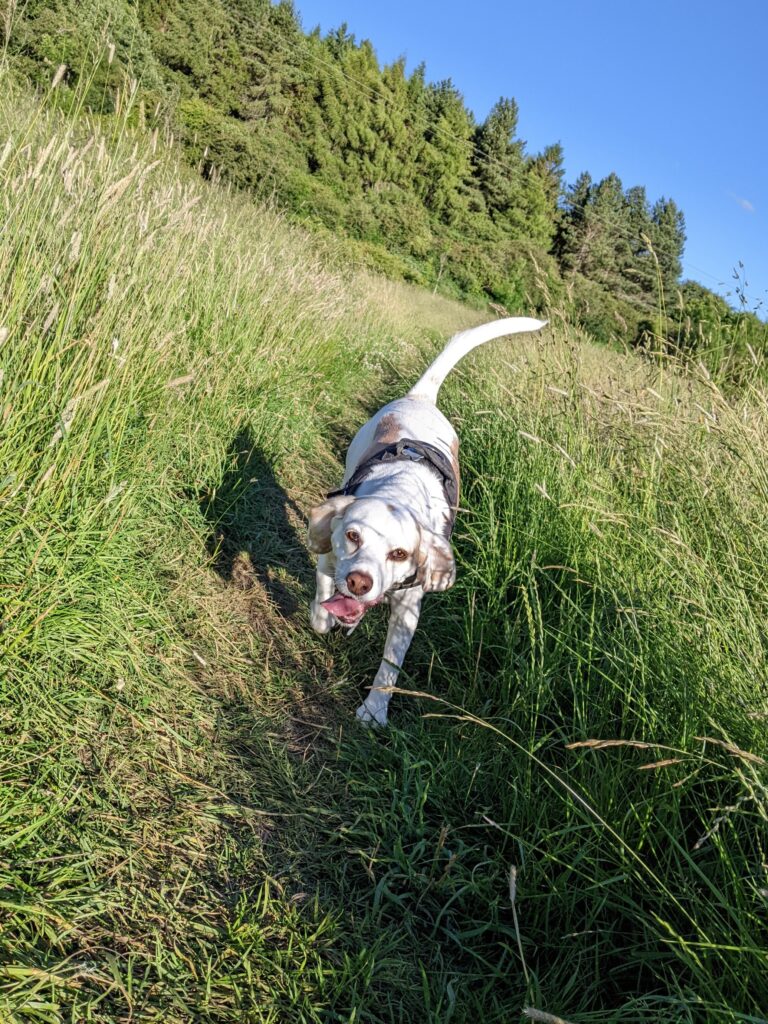
Puppyhood: Laying the Groundwork for a Healthy Life
The first year of a dog’s life involves rapid growth and development. This is the time to establish healthy habits that will last a lifetime. Your top priority should be working closely with your vet to get your puppy on a proper vaccination schedule. These initial jabs protect them from serious and potentially fatal diseases. It's also the time for crucial preventative treatments for fleas, ticks, and worms.
Socialisation is just as important as physical health. Between 3 and 16 weeks old, puppies are most receptive to new experiences. Safely exposing them to different people, vaccinated dogs, sounds, and environments helps them grow into confident, well-adjusted adults. This foundation prevents fear- and anxiety-based behaviours later on. Alongside socialisation, start with basic training. House training, crate training, and simple commands like 'sit' and 'stay' build a strong bond and establish clear communication between you and your new best friend.
Planning for a Lifetime of Care
While the initial costs of a puppy are clear, the financial commitment to their long-term health can be less predictable. Routine care, such as annual booster vaccinations and check-ups, forms the baseline of your budget. However, accidents and illnesses can happen at any age, often leading to unexpected and substantial vet bills. Thinking about this early on can save a lot of stress down the line.
Many owners find that having robust financial protection in place provides reassurance. For example, a good lifetime pet insurance cover is designed to help with vet fees for new conditions throughout your dog’s life, as long as you renew the policy each year. Establishing a relationship with a good vet and scheduling regular wellness checks are some of the best tips for a healthy dog, as they can catch potential issues before they become serious problems.
The Adult Years: Consistency is Key
Once your dog reaches adulthood (usually between one and two years old), things tend to settle into a comfortable routine. This is the stage for maintenance and consistency. Regular exercise is vital to keep your dog physically fit and mentally stimulated. The amount and type of exercise will depend on their breed, age, and energy level, but daily walks, runs, or games of fetch are essential.
Mental enrichment is just as important as physical activity. Puzzle toys, training games, and new experiences prevent boredom and strengthen your bond. This is also the time to be vigilant about dental health. Regular brushing at home and professional cleanings recommended by your vet can prevent painful dental disease, which can affect other areas of their health. Continue with annual vet check-ups, even if your dog seems perfectly healthy. These visits are an opportunity for your vet to perform a full physical exam, keep vaccinations up to date, and discuss any subtle changes you may have noticed.
Nutrition and Weight Management Through the Ages
A dog's dietary needs change dramatically from one life stage to another. Puppies require a diet high in calories and specific nutrients to fuel their rapid growth, while senior dogs often need fewer calories to prevent weight gain as their metabolism slows. Choosing a high-quality food formulated for your dog’s specific life stage is fundamental to keeping your dog healthy.
One of the most significant health challenges for adult dogs is obesity. It's easy to overfeed our pets, especially when they look at us with those pleading eyes. However, carrying extra weight puts immense strain on their joints, heart, and other organs, increasing the risk of conditions like arthritis, diabetes, and heart disease. Pay close attention to the feeding guidelines on your dog’s food and adjust portions based on their activity level and body condition. Use treats for training, not as a constant snack, and opt for healthy, low-calorie options when you do indulge them.
Caring for Your Senior Companion
As your dog enters their golden years, typically around age seven or eight for most breeds, you’ll likely start to notice changes in their energy levels and physical abilities. This stage requires patience, observation, and a willingness to adapt their environment and routine to keep them comfortable and happy. Regular vet visits become even more critical, with many vets recommending biannual check-ups for senior pets to screen for age-related conditions.
Mobility often becomes a challenge due to arthritis or other joint issues. You can help by providing soft, orthopaedic bedding, using ramps to help them get into the car or onto the sofa, and switching to shorter, more frequent walks. Maintaining a healthy weight is crucial to reduce pressure on their joints. There are many simple tips for senior dogs that can make a huge difference to their comfort. Pay attention to their cognitive health too; keep their minds active with gentle games and puzzle toys. Regular veterinary checkups can also help identify age-related problems early, while simple adjustments around the home can make daily routines safer and less stressful. Give them plenty of patience, reassurance, and affection as their abilities change. Thoughtful care for your aging dog ensures their final years are filled with dignity and love.
Caring for a dog from their first clumsy steps to their final, peaceful days is a profoundly rewarding commitment. Understanding and responding to their changing needs helps you ensure your faithful companion enjoys a long, happy, and healthy life by your side.