AD. The death of a loved one often throws us into a whirlwind of emotions, and the weight of responsibility to plan their funeral can feel overwhelming. Knowing where to begin and what to consider at each stage can help make the process more manageable. Here’s a guide to help you navigate the often difficult but important task of planning a funeral with care and dignity.
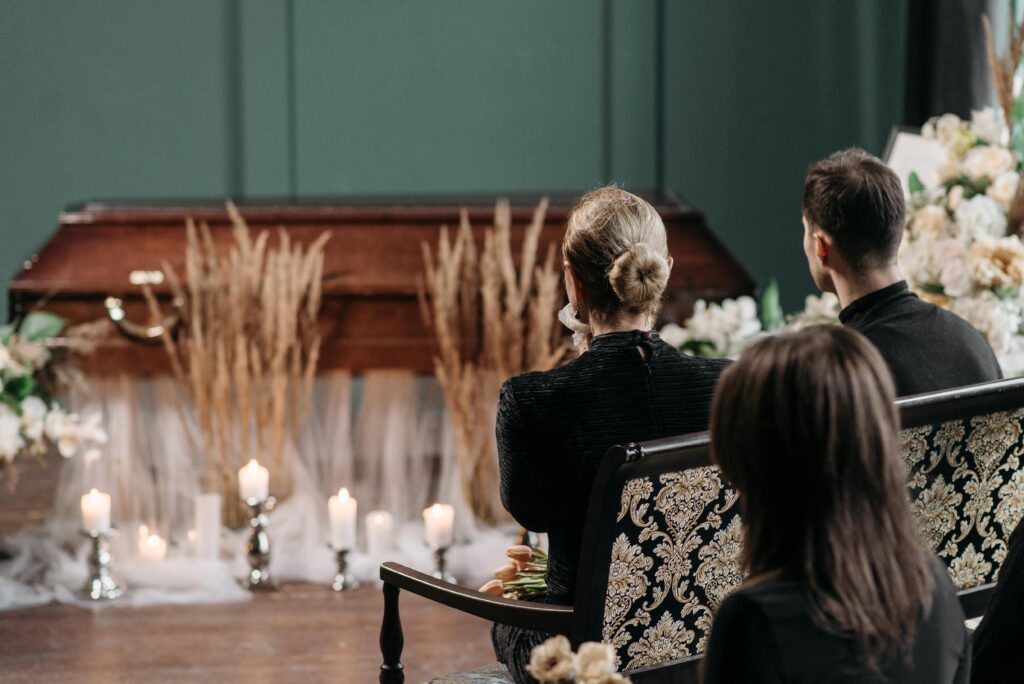
[Photo by Pavel Danilyuk]
First Essential Tasks
While you may feel the urge to jump straight into the necessary tasks, it’s important to give yourself some time to absorb the news and begin the grieving process.
Once you’re ready to take action, one of the first things you’ll need to do is register the death. This step is a legal requirement and must be completed within five days in England and Wales.
Next, you’ll need to check for any existing wills. If your loved one left a will, it will outline their wishes regarding funeral arrangements, assets, and other important matters. If you can’t find a will, check with their solicitor or a local will registry service.
In the absence of a will, you’ll need to apply for probate to handle their estate, which can be complicated. If there is a will, however, the executor listed will generally be responsible for ensuring that the wishes are carried out.
Managing The Funeral Costs
Many people take out funeral plans, which can ease the financial burden at a difficult time. Having a plan in place means fewer decisions to make on the spot, as the arrangements may already be covered.
Costs can range from the basic service fee to more personalised requests, such as flowers, transport, or memorial services. The average funeral in the UK now costs thousands of pounds, but the price is entirely flexible based on what you choose.
If no pre-arranged plan exists, you can still create a service within your budget. Funeral directors can provide a breakdown of costs upfront, helping you to make informed decisions. Don’t be afraid to ask about alternatives or simpler options that can still fulfil your loved one’s wishes.
Creating A Personal And Fitting Service
Planning a funeral is all about creating a fitting tribute. Think about what would reflect their personality and the mark they left on others.
Would they have preferred a quiet, intimate ceremony or a larger gathering to celebrate their life? Your choice of music, readings, and any personal touches like photographs or mementoes can all make a big difference in creating a service that feels personal and meaningful.
Incorporating special rituals or traditions can also help celebrate their life in a way that honours their memory. Whether through religious ceremonies or a simple gathering with friends and family, the service should feel true to who they were.
Remember To Seek Support
The process can quickly become overwhelming, especially when combined with the emotional toll of loss. Make sure you seek support, whether from friends and family or from professionals.
Grief counselling can be an invaluable resource during this difficult time, helping you manage the emotional aspects of the planning process.
Your funeral director may also offer guidance and emotional support. Don’t hesitate to ask for help – grief can be isolating, but you don't have to go through it alone.