AD. Environmental consciousness is driving consumer choices like never before. And although there is an unrelenting drive towards being digital-first and paperless at home and in the workplace, there are times when using paper is unavoidable. For those times, seed paper is steadily growing (pardon the pun) in popularity as an alternative to traditional stationery. This is an innovative material that you’ve maybe not heard of before as it’s still quite niche.
[Photo by Pierre Bamin on Unsplash]
Understanding Seed Paper
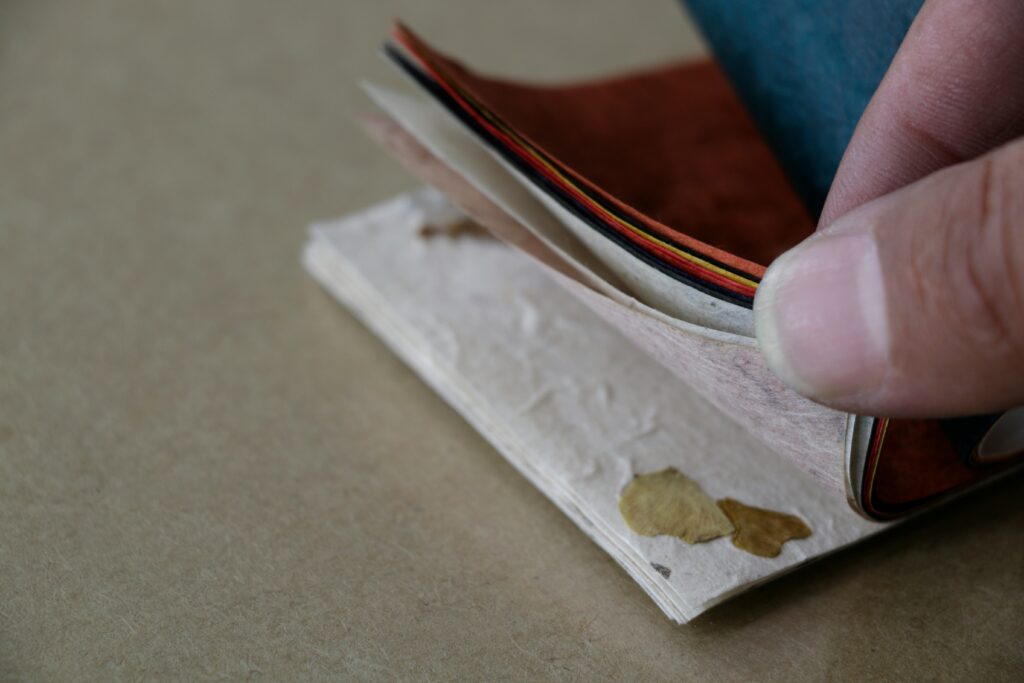
Seed paper, as defined by Wikipedia, is “a type of handmade paper that includes any number of different plant seeds”. Unlike conventional paper products that end up in landfills, seed paper is designed to be planted after use. When placed in soil and watered, the paper biodegrades naturally as the seeds germinate, creating wildflowers that support local ecosystems and pollinators.
The manufacturing process begins with recycled paper waste, which is broken down into pulp. Wildflower seeds are carefully mixed into this pulp before it's formed into sheets ranging from 200 to 300gsm thickness. This creates a premium quality product that maintains excellent printability while ensuring seed viability.
The Regenerative Advantage
Traditional paper products follow a linear lifecycle: creation, use, disposal. Seed paper introduces a circular model where waste becomes a resource. After it has served its primary purpose, the paper can be planted and transformed into habitat for wildlife and food sources for pollinators.
This approach is known as a regenerative process and it addresses multiple environmental challenges simultaneously by reducing paper waste, supporting biodiversity, and creating a positive environmental impact rather than merely minimising harm. Each piece of seed paper represents a small contribution to ecosystem restoration.
Quality and Functionality
Modern seed paper maintains the quality standards expected from premium stationery. The manufacturing process ensures that seeds remain viable for up to two years while the paper retains excellent printing characteristics. Seed paper is used to make everything from business cards to wedding invitations, and businesses are increasingly replacing traditional paper with it too.
Is it for every use case? Maybe not. The handmade nature of seed paper means each piece is unique, with slight variations in texture, thickness, and shade. However, this individuality adds character to printed materials while reflecting the artisanal craftsmanship behind the product.
Growing Your Seed Paper
Planting seed paper is straightforward. Simply place the paper in soil, water regularly, and watch wildflowers bloom within weeks. Spring offers optimal growing conditions, though indoor planting is possible with adequate light and moisture. The paper should be stored in cool, dry conditions to maintain seed viability.
Where to Buy
Seed paper remains a relatively niche product, though availability is expanding as demand grows. SeedPrint is worth checking out. They’re a fourth-generation family printing business based in Leicester and, based on reviews, they’re highly regarded for their quality and reliability. Visit their website for more information.



I have given seed paper cards before, and I do think it is a great, sustainable alternative to traditional paper cards. I will have to check out SeedPrint!
Seed paper sounds like a great sustainable alternative to traditional paper x
Lucy | http://www.lucymary.co.uk