With climate change, many companies worldwide have adopted the goal of carbon neutrality. Carbon neutrality is when the amount of carbon emitted is balanced by the same amount that is sequestered, offset, or buying enough credits to reflect the difference. Here are five companies that have made significant steps towards this goal.
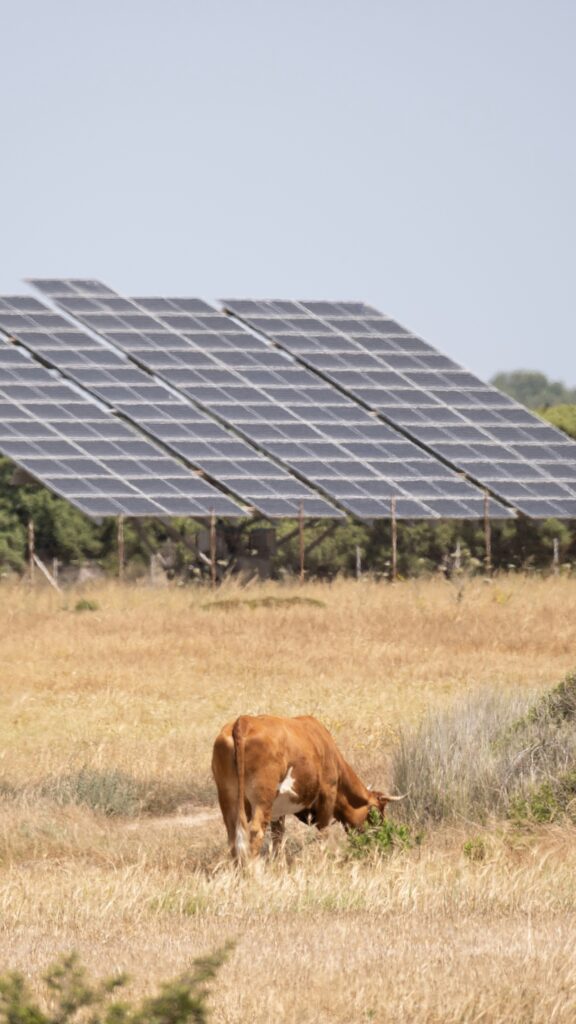
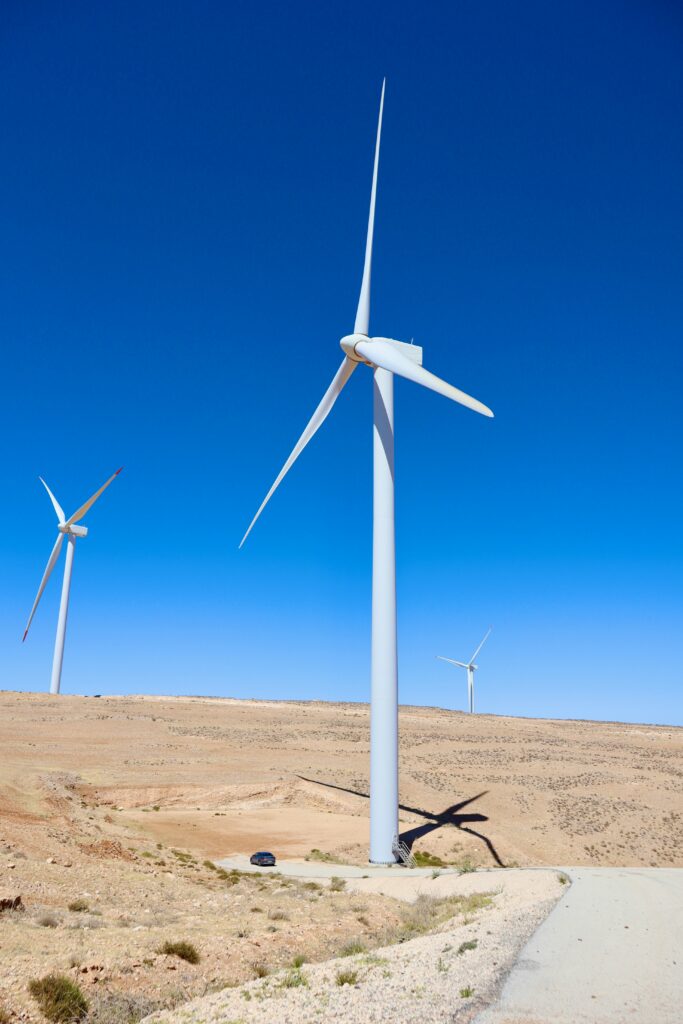
[Photo by Micha Sager & Dilip Poddar on Unsplash]
1. Lottoland
Lottoland is one of the leaders in the online bet industry and has recently become the first climate-neutral company. It has established a solid-based support system that involves several detailed processes designed to reduce the carbon footprint efficiently. In addition, the company supports high-quality renewable energy projects and reforestation and afforestation.
2. Google
Google reached carbon neutrality in 2007, although taking further action to become even more environmentally friendly. It now intends to use carbon-free energy 24/7 by 2030. Its carbon emissions have been balanced by reducing the carbon footprint and implementing high-quality carbon offsets.
3. Microsoft
Microsoft reached carbon neutrality in 2012 and announced a carbon-negative goal by 2030. The company has since conducted a more detailed analysis and developed a plan to achieve this new goal. It has also started implementing internal carbon fees and investing in high-quality renewable energy.
4. IKEA
IKEA has established the new goal of becoming climate-positive by 2030, reducing far more greenhouse gas emissions than the IKEA value chain emits. In the meantime, it has become carbon neutral in its production and business processes. It continues looking for even more ways to achieve its low carbon footprint.
5. Salesforce
One of the leading CRM companies, Salesforce has achieved net-zero greenhouse gas emissions and 100 percent renewable energy use. Moreover, the company has launched its new product, Sustainability Cloud, enabling other companies to pinpoint and reduce their carbon impact.
FAQ
What are carbon offsets?
Carbon offsets are investments in environmental projects intended to balance the emissions produced by companies, individuals, or other events. These projects can be tree-planting projects, renewable energy installations, or programs in communities to reduce their emissions.
How does carbon neutrality differ from net-zero emissions?
Carbon neutrality involves balancing emitted CO2 with offsets, while net-zero emissions mean actually reducing emissions to zero through changes in operations and energy sources.
Is carbon neutrality an expensive thing?
The cost of achieving carbon neutrality can vary depending on the size and specifics of the business and the strategies used. While it is true that measuring emissions and investing in reducing them and their offsets often require upfront costs, many companies’ experiences shows that they can pay off in the long run due to energy savings and efficiencies.
Can any company be carbon neutral?
Any company can commit to being carbon neutral by investing the necessary resources and efforts to understand, reduce, and offset its emissions regardless of its size and industry.
How do customers perceive companies that are carbon neutral?
Customers are increasingly preferring companies that show environmental responsibility. Carbon-neutral businesses are often considered more positive by a customer group, for they can contribute to the fight against climate change and are thought to be more environmentally responsible and sustaining.
Conclusion
These companies demonstrate that carbon neutrality is an achievable aim and an affordable cost solution to support increased environmental responsibility. Finally, only public concern and pressure will make these examples more numerous in the future.