AD. There is a particular feeling that comes with a Saturday morning match. The alarm goes off earlier than anyone would like, the car is loaded with water bottles and oranges, and the kids are already talking about the game before they’ve finished their breakfast. Every parent who has stood on a sideline in the cold knows the mix of nerves and pride that comes with watching a child run out onto the field.
Game day matters for more than the result. For children, belonging to a team is one of the first times they learn how to work with others, cope with disappointment and celebrate someone else’s goal as if it were their own. Confidence often grows in small steps, from learning a play to making a friend in the changing room. For parents, the weekend fixture becomes a fixed point in the week, a time to be together and to cheer for something that matters to the people they love.
The best teams feel like a community rather than a collection of players. Families get to know each other across the season, siblings tag along to watch, and the weekly routine builds a sense of shared identity. That identity is what keeps children coming back, even on the days when the weather is terrible and the scoreboard is against them.
Small Rituals That Build Team Identity
Rituals are the simplest way to turn a group of players into a team. A pre-game chant, a handshake line or a particular song played in the car on the way to the ground gives children something familiar to hold on to before a match. Repeated often enough, these small habits become part of who the team is, and players look forward to them as much as the game itself.
Families can join in too. Some parents bring matching snacks for the team, or agree on a cheer they shout from the sideline when someone makes a great tackle. Others gather for a quick group photo at the car park before heading in. None of this takes long, and all of it helps children feel that they are part of something bigger than themselves.
Rituals also help after a tough loss. A post-match debrief over orange slices, or a simple thank-you chant for the coaches and referees, reminds everyone that the season is about more than a single result. Children learn that the team is still there when things don’t go to plan, and that is one of the most valuable lessons sport can teach.
Wearing the Team on Your Sleeve
Children love to show who they play for, and team colours are a natural way to do it. A shirt, scarf or hat in the club’s colours tells everyone on the bus or in the car park where a child’s loyalties lie. For many young players, wearing the team kit is one of the proudest parts of being in the club.
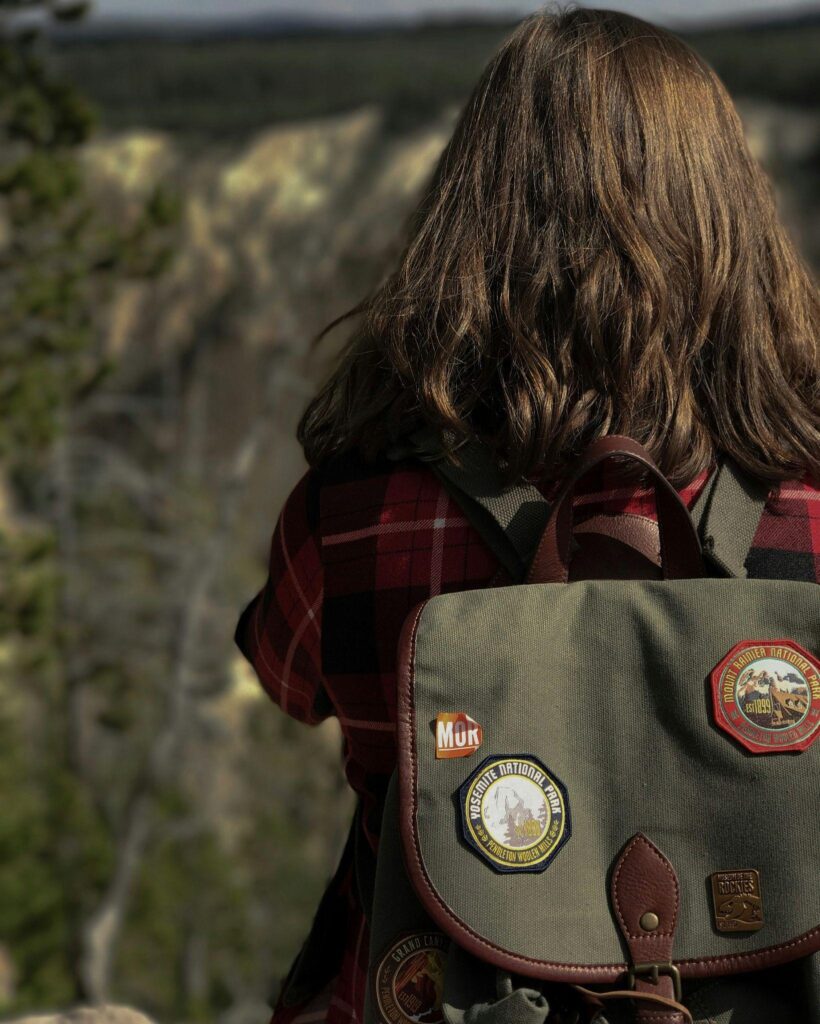
Small keepsakes add a personal touch. Custom sports team badges are a popular way for children and families to show their pride without wearing a full kit every day. A badge can be pinned to a school bag, a jacket or a cap, and it can carry the club’s crest, a player’s number or a design the child chose. Clip or magnetic fasteners are an easy option for younger children, since they avoid needle pins and small holes in clothing, and they can be swapped as the season changes.
Choose badges that suit the people wearing them. A bold design with the club’s colours works well for a whole squad, while a player-specific design can mean a great deal to a child who has just made the team. Involving the children in the design process gives them a sense of ownership and makes the badge something they will want to keep long after the season finishes.
Supporting the Team Beyond the Game
Every club depends on people who are not on the field. Rosters need organising, the canteen needs volunteers, and carpools make it possible for a child without a lift to get to training. When parents take on these roles, they show their children what it means to be part of a team and to look after the people around them.
Sideline support matters as well. Cheering for every player, not just the ones who score, helps children feel valued. Keeping an eye on the younger players, handing out water at breaks and clapping the other team’s good plays all model the kind of sportsmanship clubs hope to build. A positive sideline sets the tone for the whole season.
Even small acts count. Sending a message to a coach to say thanks, washing a team shirt when it’s needed or helping set up the goals before a match all keep the club running smoothly. Clubs that depend on volunteers often say that a handful of helpful families makes the difference between a season that runs well and one that struggles.
Making Memories That Last Past the Final Whistle
When the season ends, the memories are what children keep. A season scrapbook with photos from each game, a list of the goals scored and the friends made, and a few notes from the coach can become a treasured keepsake. Many families add the match programmes, team lists and a copy of the end-of-season photo, so the whole year is kept in one place.
Small mementos carry the feeling forward. A medal, a team photo in a frame or a badge kept in a special box reminds children of the friends they made and the moments they shared. Years later, those objects often prompt the best stories about the season.
Game day pride is built from simple, repeated moments. The early mornings, the cheers from the sideline, the shared snacks and the badges on a school bag all add up to a sense of belonging. Children may forget the final score, but they tend to remember the feeling of being part of a team that had their back.