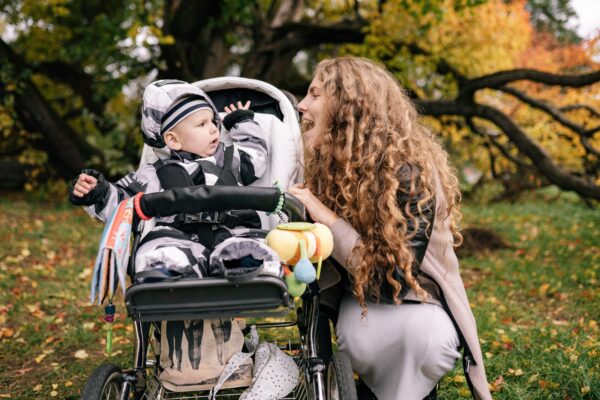
[AD] Raising a child with Borderline Personality Disorder (BPD) presents a unique set of challenges as well as rewards too. BPD is a complex mental health condition characterised by intense emotions, impulsive behaviors, and difficulties in maintaining stable relationships. It is important to know that you can get professional help with a personality disorder. It is equally relevant to understand that supporting a child with BPD requires patience, empathy, and a commitment to learning about the disorder. Here are ten crucial tips for parents navigating this journey:

[Photo by Kelly Sikkema on Unsplash]
10 Things to Keep in Mind as a Parent of a Child With BPD
Educate Yourself about BPD
Knowledge is power. Understanding BPD’s symptoms, causes, and treatment options will equip you to better support your child. It’s also important to dispel myths and stigma surrounding the disorder. This will help to foster a compassionate environment for your child's growth and recovery.
Seek Professional Help as Early as Possible
Early intervention can be pivotal in successfully managing BPD. A mental health professional who specializes in BPD can provide your child with the appropriate therapy and may recommend family therapy as well. These interventions can improve levels of communication and understanding among family members.
Practice Open and Honest Communication
Maintaining an environment where feelings and thoughts can be openly discussed without fear of judgment is crucial. Encourage your child to express their emotions and experiences. Listen actively and validate their feelings, showing that you understand and accept them, even if you don't always agree with what they are saying.
Establish Clear and Consistent Boundaries
Children with BPD benefit from structure and clear expectations. Consistent boundaries help them understand acceptable behaviors and develop a sense of security. However, it's just as important to be flexible and compassionate, recognizing that your child may struggle more on some days than others.
Prioritise Self Care
Caring for a child with BPD can be emotionally taxing and physically draining. Prioritise your wellbeing by engaging in activities that rejuvenate you. Remember, taking care of yourself is not selfish. It's necessary for you to be able to be the best parent possible.
Cultivate Patience
Patience is key when dealing with the fluctuating moods and behaviors associated with BPD. Recognise that progress may be slow and nonlinear. Celebrate small victories and remain patient during setbacks.
Develop Coping Strategies
Help your child develop healthy coping mechanisms for dealing with their emotions. Techniques such as mindfulness, deep breathing, and journaling can be effective. Encourage them to identify activities that help them feel calm and grounded.
Build a Support Network
It’s unwise to navigate a lone support path. Seek support from other parents in similar situations, join BPD support groups, or engage in family therapy. A strong support network can provide much-needed emotional comfort and practical advice.
Promote a Sense of Independence
While it’s important to support your child, encouraging autonomy is crucial for their development. Help them set realistic goals and make decisions for themselves, guided by your support and encouragement. This approach can boost their self-esteem and prepare them for the challenges of adulthood.
Never Forget the Power of Love and Acceptance
Above all else, show unconditional love and acceptance. Your child should know that they are loved for who they are, despite the challenges. This unwavering support can be the foundation upon which they build their recovery and growth.
Make no mistake, raising a child with BPD is a journey filled with challenges. But with the right approach, it can also be immensely rewarding. By keeping these ten things in mind, you can provide the support, understanding, and love your child needs to navigate the complexities of BPD.