AD. Whatever business you’re planning to start, it’s going to come with its share of costs that you had better prepare for. Opening your own kitchen is no different. In fact, given the specialist nature of the job, you might have more costs than the typical office and, as such, you need to make sure that your funding is right, however you get it. Here are some of the most important costs of opening your own restaurant to ensure you include in your budget.
The Biggest Costs Of Opening Your Own Restaurant
Securing The Premises
Finding a suitable property in a good location is likely to be the highest initial cost of all. Whether you’re leasing or purchasing, upfront expenses such as deposits, legal fees, and agent costs can be significant. Beyond the space itself, you also have to consider any work it might need to fit your plans, whether it’s renovations, layout changes, or even just going over the vitals like the plumbing and electricity to make sure that everything is working and up to code.
Building A Full Kitchen
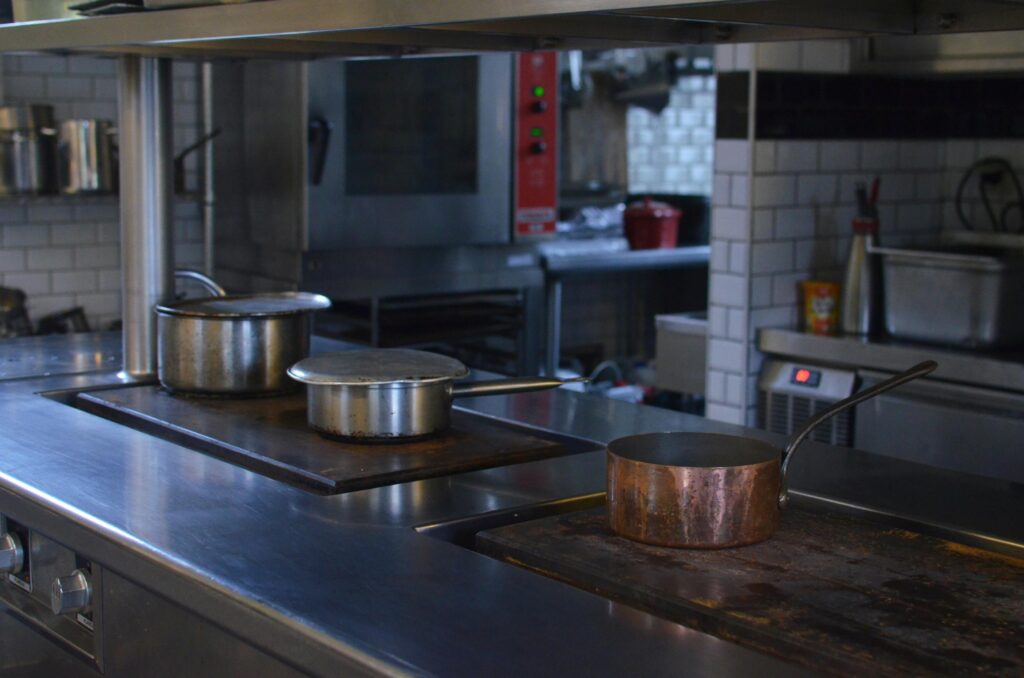
While outfitting the whole restaurant, both in the front and back of house, needs to be considered amongst your costs, creating a fully equipped kitchen is one of the most important parts, which is often why it gets such a big part of the budget, as well. Unlike a domestic setup, professional kitchens for restaurants require specialised equipment designed for high-volume service, including ovens, grills, refrigeration units, extraction systems, and food preparation stations. You also have to consider installations like ventilation, gas lines, and electrical systems that might have to be upgraded or installed from scratch, with everything in compliance with health and safety standards.
Ensuring all installations, especially those involving electrical systems, meet safety regulations is paramount and this extends to critical safety infrastructure like emergency lighting. These systems are essential for guiding occupants safely out of the building during a power outage or fire, so having qualified emergency lighting installers check your setup regularly can prevent serious safety hazards and ensure continuous compliance.
Staffing And Training
The above costs are typically one-offs that you might have to revisit every few years down the line for upgrades and replacements. Staffing costs, however, are likely to be the biggest running expense that you have going. Salaries for chefs, kitchen staff, servers, and management have ot be considered alongside recruitment and onboarding costs. One of the secrets to effectively managing your professional kitchen is that it’s a lot easier to stay on top of a well-trained team, too, so setting some money aside for training can be vital.
Licenses, Permits, And Compliances
The food service industry is one of the most highly regulated, so you need to be prepared for all of the costs that come with it. This can include licenses for food handling, alcohol sales, and even outdoor settings, depending on your plans. You should also look at what’s required to make your restaurant health and safety compliant, as well as in keeping with fire regulations and hygiene standards. Paying for the inspections and certifications typically comes out of your pocket, but they can’t be skipped.
Opening a kitchen is not a cheap ask, by any means. Whether you buy an existing restaurant for sale and re-open it as your own spot, or you find the opportunity to start your own, try to have as accurate a budget as possible in mind.