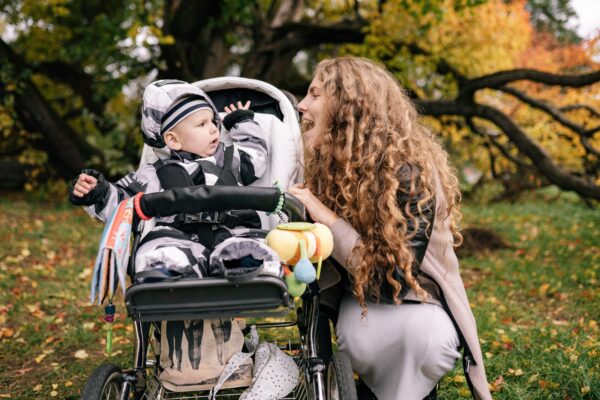
AD. I’ve noticed something lately when walking through our neighbourhood. Parks are quieter. Gardens look perfect but strangely unused. Meanwhile, inside almost every house, there’s the faint glow of a tablet lighting up a child’s face. It worries me a bit. Childhood feels shorter when it happens mostly indoors. Growing up, being outside wasn’t scheduled. We just disappeared after breakfast and came back muddy, hungry and usually missing a sock. Freedom came naturally. Now, letting children play independently outdoors almost feels rebellious. But honestly, I think it matters more than ever.
Why Outdoor Independence Still Matters
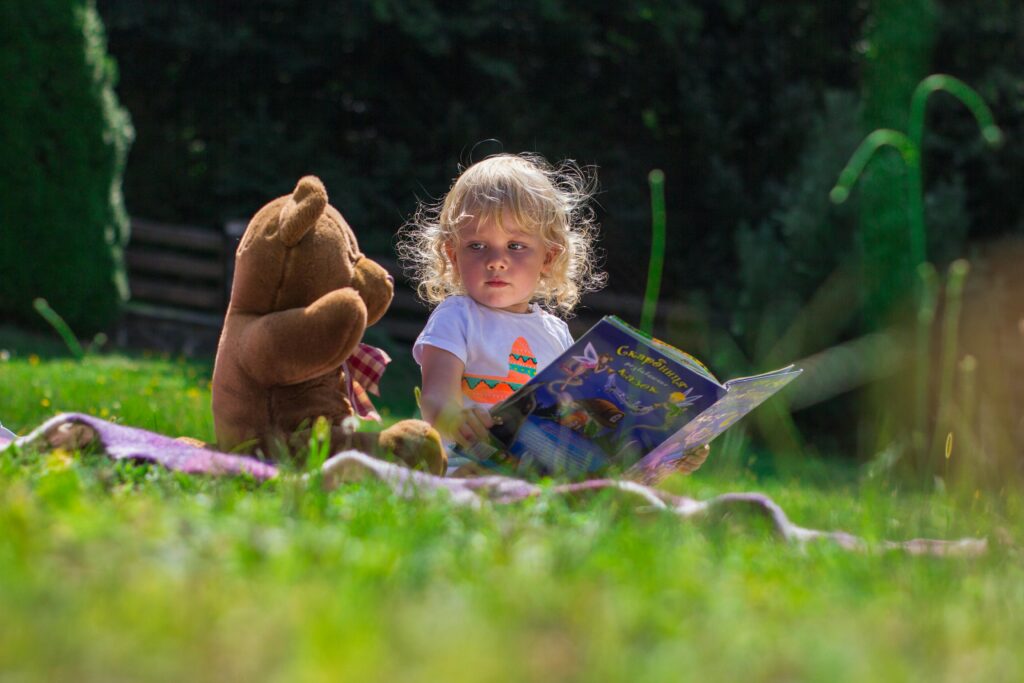
Children need space where adults aren’t constantly directing the fun. That small distance builds confidence. Problem solving happens faster when nobody steps in immediately. Arguments get sorted without referees. Imaginations stretch further too.
The last time I encouraged my two to play outside without organising every minute, something interesting happened. They were bored for about five minutes. Properly bored. Then suddenly they invented games, created stories and turned the garden into an adventure zone I never could have planned myself.
Screens offer instant entertainment. Outdoor play asks children to create it. That difference is huge.
Creating Spaces That Invite Exploration
You don’t need acres of land or a countryside backdrop. Most families are working with normal gardens, shared spaces or small outdoor corners. What matters is making those areas feel welcoming rather than restrictive.
When we redid part of our garden, adding stone paving made a surprising difference. It created a safe, sturdy surface for chalk drawings, hopping games and endless scooter laps. Suddenly the garden felt usable all year round instead of just during perfect weather.
Children notice these small changes. A space that feels designed for movement quietly encourages independence. They head outside without being asked.
And once they’re out there, they stay longer.
Stepping Back Without Feeling Guilty
This part can be hard. Modern parenting comes with constant pressure to supervise everything. We’re told to watch closely, intervene early and manage risk at every turn. But children learn risk awareness by experiencing manageable challenges themselves.
I used to hover. Completely guilty of it. Every wobble brought a warning from me. Every disagreement needed my opinion. Eventually I realised I was interrupting learning moments.
Now I check in, but I don’t control the play. If they’re safe, I let things unfold. Scraped knees happen. So do huge bursts of confidence afterwards.
Sometimes the best parenting move is simply staying indoors with a cup of tea while listening to laughter drifting through the window.
Balancing Digital Life With Real Play
Technology isn’t the enemy. My kids love games and telly just like every other child. The issue comes when digital entertainment replaces physical exploration entirely.
We started setting gentle expectations rather than strict bans. Screens after outdoor time works well for us. It shifts the mindset from restriction to routine.
Interestingly, once outdoor play became normal again, they stopped asking for devices quite so often. Movement satisfies something deeper. Fresh air resets moods faster than any app ever could.
Even simple play ideas sparked outdoors seem to last longer than carefully curated indoor activities.
The Magic of Self Directed Fun
One afternoon stands out clearly. I watched from the kitchen as the kids transformed their ride on toys into an imaginary delivery service. The kids car & ride on cars became emergency vehicles, taxis and race cars within minutes. No instructions. No adult input. Just creativity unfolding in real time.
That kind of play can’t be downloaded.
Independent outdoor play teaches patience, negotiation and resilience without feeling like learning. Children test limits, build friendships and develop confidence quietly while adults step back.
And honestly, they seem happier for it.
Trusting Childhood Again
Letting children roam the garden or play independently outside requires trust. Trust in their judgement. Trust in the environment. Trust that boredom will eventually turn into brilliance.
Not every moment needs structure. Not every afternoon needs enrichment.
Some of the best memories form when nobody is directing the scene. Muddy shoes by the door. Grass stains that refuse to wash out. Loud laughter carried on evening air.
Childhood doesn’t need perfection. Just space. Time. And the freedom to play without someone constantly pressing pause.