AD. Your knees do a lot for you. They help you walk, run, squat, stand, and just get through your day. It's common when they start hurting, we tend to ignore the pain, hoping it goes away on its own. However, you may think it's just age, or it doesn't feel "bad enough," yet, sometimes knee pain is often a sign that something deeper is going on. In the United States, knee pain is a very common issue, affecting roughly 25% of adults, making it a serious issue. And it is easier to deal with it when we know what causes you the pain. Let's look at six common causes of knee pain — and why they're worth paying attention to.
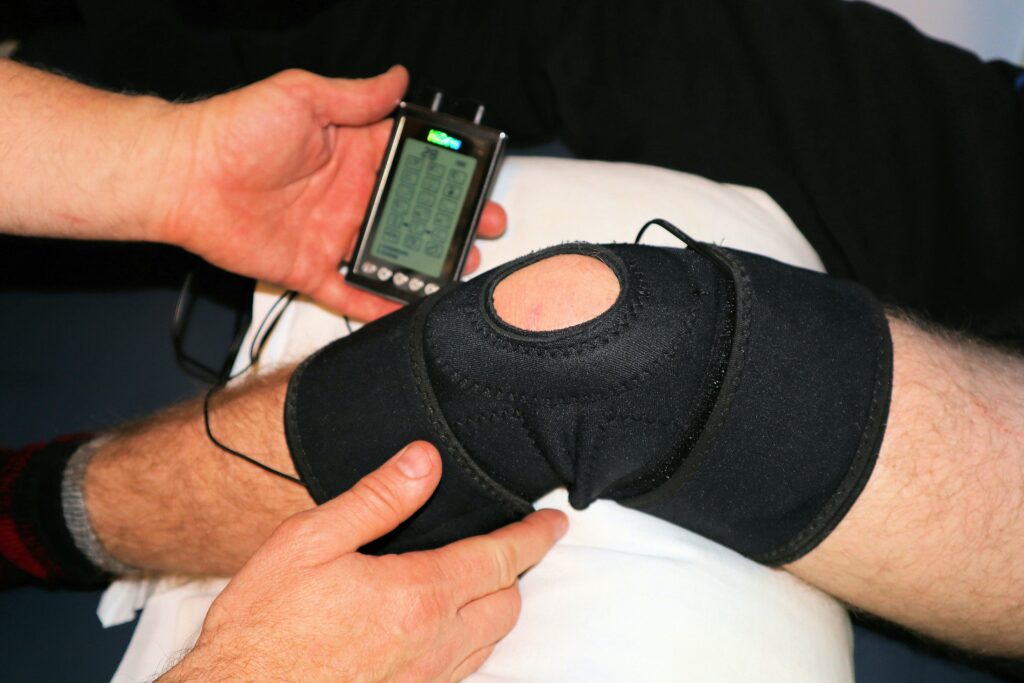
[Photo by Terry Shultz P.T. on Unsplash]
6 Common Causes of Knee Pain
1. Osteoarthritis (Wear and tear with age)
If your knees feel stiff when you wake up or ache after walking too long, osteoarthritis could be the reason. This happens when the smooth cartilage inside your joint wears down over time. Without that cushion, your bones start to rub against each other.
That rubbing causes pain, swelling, and even a crunching sound when you move. It's more common as we get older, but it can affect anyone. This stiffness mustn't be ignored. It is better to consult a doctor to keep things in control.
Fortunately, in Boca Raton, knee pain treatments can improve your mobility and alleviate your pain as effectively as possible. Look for a medical specialist who offers personalized treatment to target your knee pain. This ensures that you receive the right care for your condition, not just temporary relief.
2. Tendonitis (Overuse or repetitive movement)
Tendonitis is what happens due to repetitive motion or pushing your knees beyond their limits. It's common in people who run, cycle, or even do lots of stairs. The tendons in the knee get inflamed from overuse, and that leads to sharp, burning pain, usually just below your kneecap.
You'll feel it most when you're walking upstairs, squatting down, or getting out of a chair. It's your body's way of saying, "I need a break!" Rest, ice, and gentle stretching can help, but pushing through the pain can turn a small problem into a big one.
3. Meniscus Tear (Twisting or sudden movement)
Ever twisted your knee the wrong way and heard a pop? That might've been your meniscus — the rubbery cartilage that helps your knee absorb shock. A tear in it can happen during sports, slipping, or even a quick turn while walking.
The pain isn't always constant, but the symptoms are clear: clicking, locking, or feeling like your knee might give out. Plus, you might not be able to fully straighten your leg. Early diagnosis and targeted therapy can help manage these issues effectively, but if ignored, they can make movement harder and more painful in the long term.
4. Ligament Injury (ACL, MCL)
Ligaments are like ropes that hold your knee together. Injuries to these — especially the ACL or MCL — often happen from sports, falls, or accidents. You might feel or hear a "pop," followed by swelling and instability.
Suddenly, your knee doesn't feel like it can support you. It may feel wobbly, especially when you try to pivot or stand quickly. While some ligament sprains can heal with rest and therapy, full tears usually need more attention. Ignoring this kind of injury can make walking or standing unsafe.
5. Bursitis (Pressure from kneeling or repeated motion)
Inside your knee are little sacs filled with fluid called bursae. They help reduce friction. But if they get strained from too much kneeling, climbing, or even sitting, they can swell up and hurt. This is called bursitis.
You'll notice swelling, warmth, and tenderness, usually right over the knee. It can make it painful to bend or put weight on the joint. Luckily, bursitis often goes away with proper rest and ice. But if it keeps coming back, it might be time to not ignore it and look into more targeted care.
6. Runner's Knee (Patellofemoral Pain Syndrome)
This condition gets its nickname from the people who get it most — runners. But you don't have to run to feel it. If your kneecap doesn't track properly, or if the muscles around your knee are weak or uneven, it can cause pain around or behind the kneecap.
Runner's knee often feels worse when sitting too long, squatting, or going downstairs. It's more common in women and young adults. The good news? Strength training and physical therapy can work wonders. You just have to know the cause — and not shrug it off.
Conclusion
Your knees carry you through life. Don't wait until the pain becomes unbearable. Whether it's from age, activity, or injury, there's almost always a reason behind it. And once you know what it is, you can start healing. Listen to your body. Your knees deserve it.