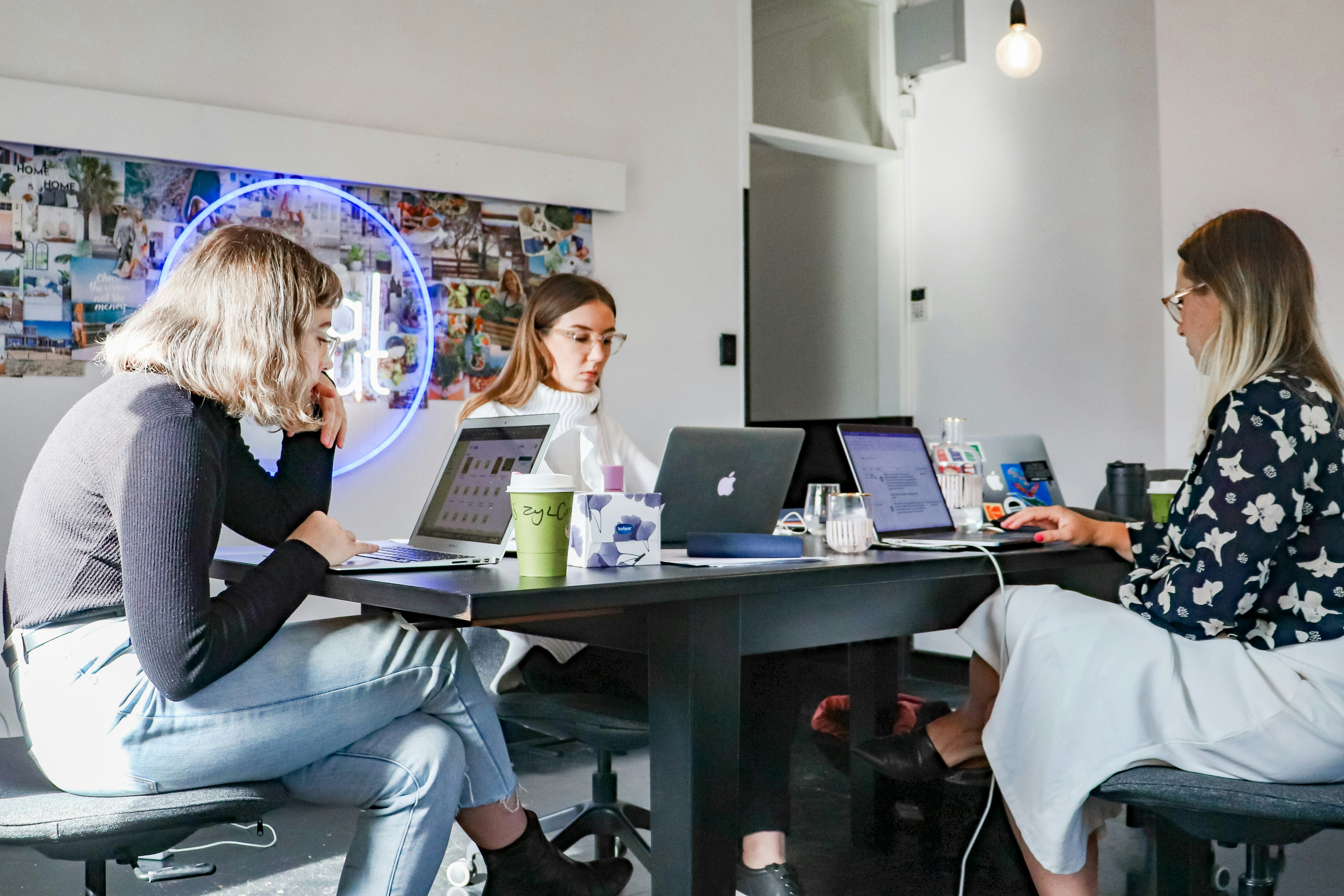
AD. The place we work in can determine our productivity and well-being. That's why more companies prioritise bright colours in offices and open spaces: because they can have a positive impact on the employees' mood.
Socialisation is important at work because it helps communities blend, so groups can work better together. On the other hand, cubicles are anything but fun, which is why we moved past that design some time ago.
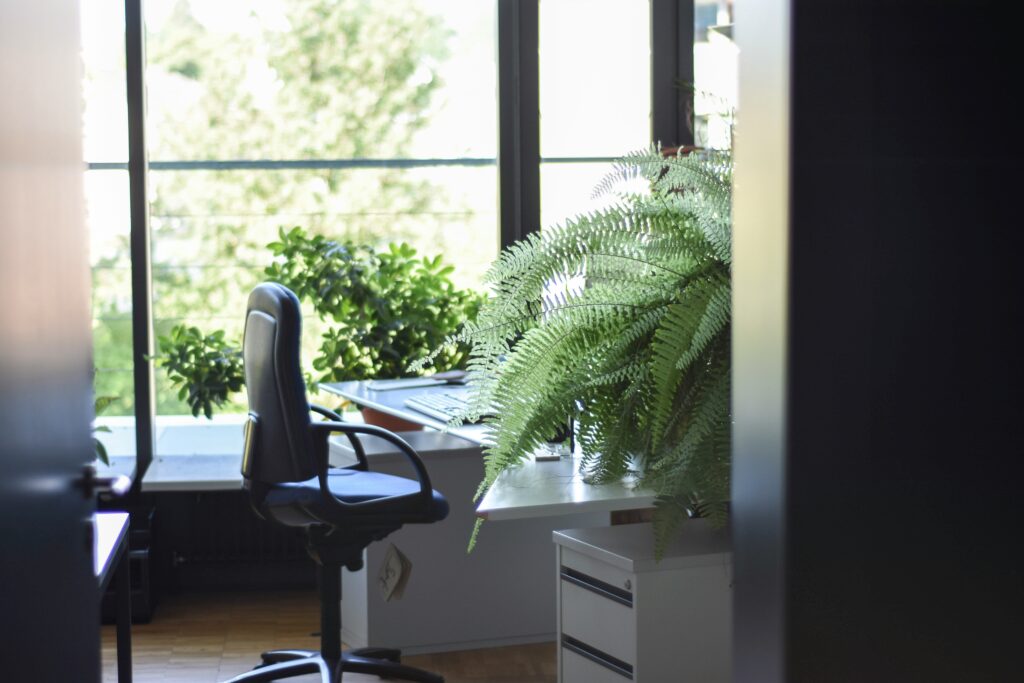
Nowadays, a trending design involves sustainability in the office, where more natural elements are introduced to make the indoors more relaxing. In addition, eco-friendly materials last for longer, so they support longevity in the office. So, let's see what sustainability design fashion is about.
[Photo by Unknown Wong on Unsplash]
A Sustainable Workplace Is a Happy Workplace
A workplace design and layout that focuses on sustainability must include functionality, natural resources, and energy savings. The rise of eco-friendly office buildings has helped make aspects like natural lighting, water conservation, and energy-efficient lighting the norm in regular offices.
According to https://vepa.co.uk/, sustainable office design is about ergonomics, innovation, and social responsibility. Upcycling techniques and timeless materials can make offices unique. A modern workplace that prioritises health is like the backbone of an efficient team, so more businesses should consider workplace design non-negotiable. But what are the advantages?
A sustainable workplace has little to no energy bills
A sustainable office design relies less on burning resources and more on being smart. For example, investing in solar panels to provide warm water and electricity is one of the best plans for an office. A structural change in adding insulation within external walls contributed to preserving warmth, so the winter bill would not have an impact on the company's carbon footprint.
Companies should collaborate with collaborators who understand the need for optimal work and the well-being of the environment. Vepa, for instance, works with local suppliers to promote the economy, manages waste responsibly, and has sustainable alternative solutions for every harmful resource used in most offices, so it's a reliable partner in blending modernism with eco-friendly offices.
A Green Office Is a Productive Office
The introduction of biophilic design in the world of business is intentional. Studies show many times how exposure to natural elements boosts morale and productivity, as these surroundings help the brain release endorphins, or the "happy" chemicals. These effects can contribute to less irritable feelings or distractions and more concentration for longer periods.
Offices painted in green are sure to improve people's decision-making and problem-solving skills. However, in the absence of green walls, entrepreneurs can fill the office with plants of all sizes and features because they contribute to uplifting their moods and can clear the air from toxins. An intriguing challenge for employees would be for each to take care of their own plant as a side task when they feel like they're not achieving flow.
An Eco-Friendly Office Contributed to Low-Emissions
The environmental impact of the modern workplace is difficult to measure or manage. Due to all the hardware and software needed, we generate a lot of electronic waste, but the greenhouse gas emissions are sure to negatively impact nature. This can be changed through recycled furniture, recyclable equipment, and non-toxic paints.
Companies should source these materials through the right vendors who work based on strict sustainability criteria. Both companies and providers should take corporate social responsibility more seriously so that collaborations truly help protect the environment.
On Net-Zero Buildings
In an ideal world, net-zero buildings would replace the old ones we live in today. However, since that is not possible, we can slowly change technologies and measures to reduce the energetic demand to which buildings are prone.
A net zero-carbon building is highly energy efficient through renewable sources, so no fossil fuels are used. The decarbonisation process of buildings should start from this point: slowly introducing energetic strategies that optimise performance instead of tearing down an entire building.
Some of the most impressive net-zero buildings across the world include the following:
- The Unisphere in Maryland, US, earned the award of the National Capital Region Innovative Project of the Year;
- The Floating Office in Rotterdam, Netherlands, received the BREEAM Outstanding certification;
- The Venus in Manchester, UK, established the ISO50001 Energy Management System;
What Are The Challenges Of Making Buildings More Sustainable?
While we'd like all buildings and offices to be eco-friendly and more responsible, it is difficult to reach such levels of sustainability in our society. First, technological limitations hinder the adoption of energy-efficient products, especially when considering the limited availability of advanced materials and cost considerations.
The financial barriers of net-zero architecture include the high upfront cost and the lack of standardised valuation methods since the practice is still not the norm for companies. Developers and builders could invest more in such buildings if they could access more tax credits and grants.
Finally, climate challenges are making it more difficult for companies to reinforce strong and beautiful buildings. Climate conditions are becoming more unpredictable than ever, so construction companies and designers must consider the possibility of strong winds affecting buildings and flooding damaging their base. In addition, humid areas require more efficient ventilation systems that consume a lot of energy, so they also need renewable solutions.
There's no singular approach that can work on multiple issues, so each business and organisation must develop its own design and plan to sustain eco-friendly buildings and strategies. For that, we need to spread awareness on the matter and try to slowly shift from traditional buildings and offices towards greener and healthier options.
What Do You Think About Sustainable Office Designs?
The regular office design changed considerably through the years, from the regular cubicle that made everyone anti-social to the open spaces of today. Humans need workplaces that encourage interactions, but these spaces must also use brighter colours, more sustainable materials, and better furniture to boost their moods. Therefore, companies should collaborate with local professional interior designers who prioritise sustainability and well-being in the offices.