Exploring Die-Cast Lamps in Modern Interior Design
Die-cast lamps bring unique styling possibilities to contemporary homes. You'll discover how die-cast aluminum is used in lighting, how these lamps fit varied design themes, and their versatility in interiors.
[Photo by dillan teagle]
Defining Die-Cast Aluminum in Lighting
Die-cast aluminum is a key material in lighting due to its strength and light weight. It is made by pouring molten aluminum into a mold, allowing designers to create detailed shapes. This process allows for efficient heat management in lamps, making them both stylish and practical.
You might notice these lamps are often sleek and sturdy. The use of die-cast aluminum ensures durability, which is ideal for creating long-lasting lighting fixtures. This makes them popular in both residential and commercial spaces.
Design Versatility of Die-Cast Lamps
Die-cast lamps offer a range of designs to suit every taste. Minimalist and Scandinavian designs often highlight the clean lines and understated style that die-cast aluminum provides. Because of its flexibility in design, you can find unique shapes and styles that match any room's decor.
Whether you're aiming for a modern look or something with a classic touch, die-cast lamps can be your go-to choice. Their versatile nature means they easily blend into different color schemes and textures within a room. This adaptability makes them a favorite among interior designers.
Die-Cast Lamps Across Varied Interior Styles
Integrating die-cast lamps into various interior styles is a breeze. In a minimalist design, their sleek form complements simple and clean looks, providing a functional light source without clutter. For those preferring Scandinavian design, these lamps add warmth and elegance with their refined aesthetic.
You'll also find die-cast lamps making statements in eclectic spaces, where bold designs are encouraged. They can act as standout pieces or subtle enhancers, depending on how you incorporate them into your decor. Their ability to adapt to any style gives you endless opportunities to express your personal taste in your home.
Understanding Lighting Essentials
Choosing the right lighting for your home can change how a room feels. Die-cast lamps offer unique features, such as different color temperatures and high CRI, which influence the atmosphere of your space.
Color Temperature and Its Impact on Ambiance
Color temperature affects how a room feels. Measured in Kelvin (K), it ranges from warm to cool. Warm light (2700K-3000K) feels cozy and relaxing, perfect for living rooms and bedrooms.
On the other hand, cooler light (3500K-4100K) brightens areas like kitchens and offices. It helps you focus by enhancing visibility and alertness. Daylight (5000K-6500K) is great for workspaces where concentration is key. Knowing the right temperature helps create the desired mood and function in a room.
Importance of CRI in Die-Cast Lamps
The Color Rendering Index (CRI) measures how accurately a light source reveals colors compared to natural light. A higher CRI means better color accuracy, with CRI90+ being ideal.
In die-cast lamps, high CRI ensures that colors in artwork, fabrics, and decor appear vibrant and true. This is especially important in areas like art studios or living rooms where color plays a critical role. With the right CRI, your rooms feel more inviting and lively.
Understanding CRI helps you make informed choices for your lighting needs, ensuring every detail looks its best.
[Photo by Pixabay]
Types of Die-Cast Lamps for Every Room
Die-cast lamps are versatile lighting fixtures that add both function and style. Whether you're enhancing the cozy atmosphere of your living room or creating focused lighting in your home office, these lamps are a great choice for various settings.
Wall Lights and Sconces for Living Spaces
Wall lights and sconces are perfect for adding a warm glow to living rooms, dining areas, or bedrooms. These lamps save space and create an inviting ambiance.
In living spaces, you can use die-cast wall lights to highlight artwork or architectural features. Place them strategically to balance brightness and mood, offering a welcoming vibe without overwhelming the room. They are also ideal for flanking mirrors or windows, providing elegant and functional lighting.
Task Lighting with Desk and Floor Lamps
Task lighting is about helping you focus and stay productive. In a home office or study, a die-cast desk lamp is essential for reading, writing, or computer work. These lamps offer targeted light that reduces eye strain.
For larger rooms, like a living room or shared office space, consider adding a task floor lamp. These can be adjusted for height and angle, offering flexibility for different activities. Choose a die-cast design to ensure both durability and a modern look.
Pendant Lights: A Decorative Statement
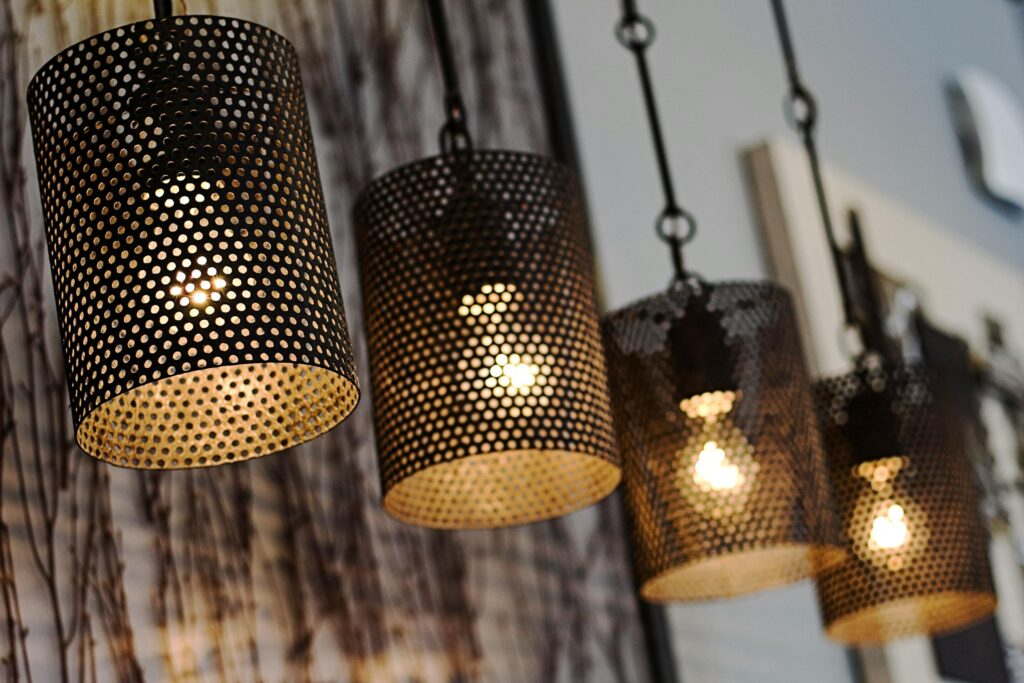
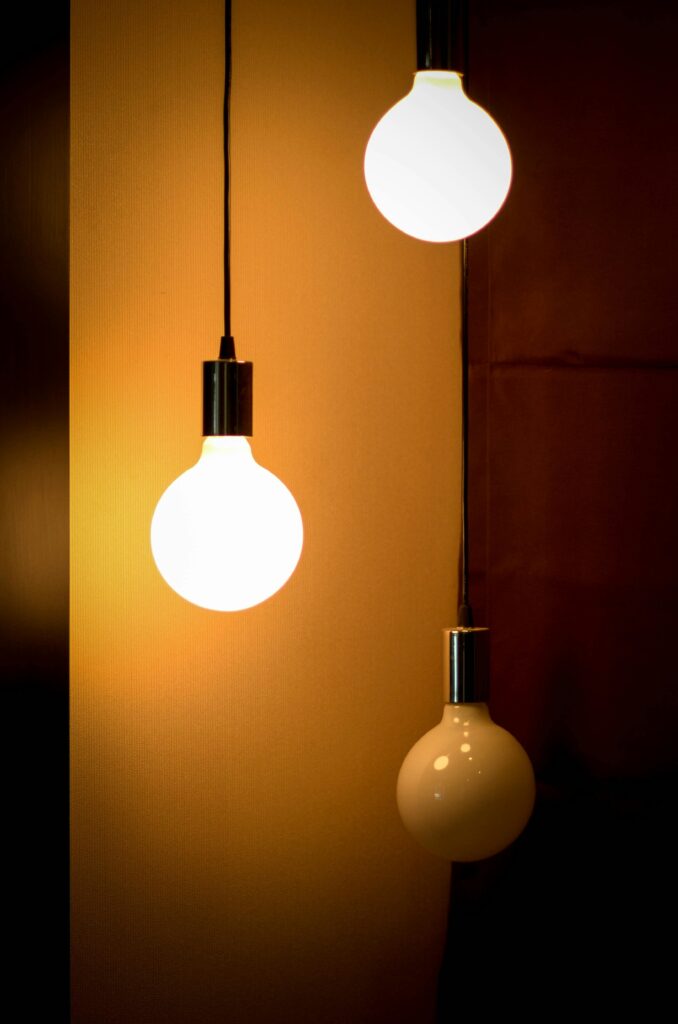
Pendant lights are not only functional but make a bold design statement. Hung from the ceiling, they are ideal for dining rooms or kitchens, where they can serve as a focal point.
In dining areas, a pendant light can be centered over the dining table, enhancing mealtime gatherings with adjustable lighting options. The die-cast material offers sleek finishes that suit modern and contemporary styles, making them a favorite for adding flair to any room. Save these elegant fixtures for rooms where you want both style and practical lighting.
Selecting the Right Die-Cast Lamp
Choosing the perfect die-cast lamp requires understanding key features, the benefits of using LED lights, and deciding between hardwired and portable options. This section will guide you through each aspect to help you make an informed decision.
Features to Look for in a Quality Die-Cast Lamp
When picking a die-cast lamp, you should consider several important features. Durability is crucial, and materials like solid brass ensure sturdiness and longevity. Aesthetic design matters, too, as it should match your style and home decor.
Check if the lamp is ETL listed, which means it meets strict safety standards. Dimmable options are great for flexible lighting settings, letting you control brightness based on mood or activity.
LED Lights: Advantages in Die-Cast Designs
LED lights are popular in die-cast lamps for many reasons. They are energy-efficient, meaning they help reduce electricity bills and have a long lifespan, minimizing the need for frequent replacements. This makes them both cost-effective and convenient.
LEDs provide bright and clear light, which is perfect for interior spaces. They also emit less heat compared to traditional bulbs, making them safer and cooler to the touch. Look for LED options if you want modern, efficient lighting.
Making the Choice: Hardwired vs. Portable Lamps
Deciding between hardwired and portable lamps depends on your needs. Hardwired lamps offer a permanent and clean installation without visible wires. They are ideal for spaces where you want a fixed light source, and they can enhance the room's overall appearance.
Portable lamps provide flexibility, allowing you to move them as needed. They are suitable for those who like to change their home layout often or require a temporary lighting solution. Consider your lifestyle and space when choosing between these types.
Setting Up Your Lighting for Maximum Impact
Creating the right lighting can transform your home decor. Whether you're using floor lamps or wall mounts, it's all about placement and purpose to achieve a cozy atmosphere. Here's how to get it right.
Proper Placement of Floor and Table Lamps
Floor lamps are versatile and can change the mood of a room. An arc floor lamp can highlight a reading nook, while a traditional floor lamp works well next to a couch or chair. When placing table lamps, consider the height of the table and seating. Lamp shades should sit at eye level when you're seated to prevent glare. Choosing the right spot for floor and table lamps can help focus on important areas and features in your space.
Achieving the Perfect Lighting with Wall Mount Options
Wall-mounted lights are perfect for saving space and adding style. With options like the armed sconce, you can direct light where it's needed. Hallways and small rooms benefit from wall mounts as they minimize clutter. To make a room appear taller, install wall lights higher up on the walls. These lights work best in pairs or sets for balanced lighting.
Accent Lighting: Creating a Cozy Atmosphere
Accent lighting adds depth and warmth. Use these lights to highlight art or architectural features. Picture lights and small lamps can make spaces like shelves or mantels stand out. Dimmer switches let you control brightness, setting the perfect mood for any occasion. Try placing accent lights in corners for a soft glow that fills the room evenly. This technique creates a welcoming and cozy atmosphere.
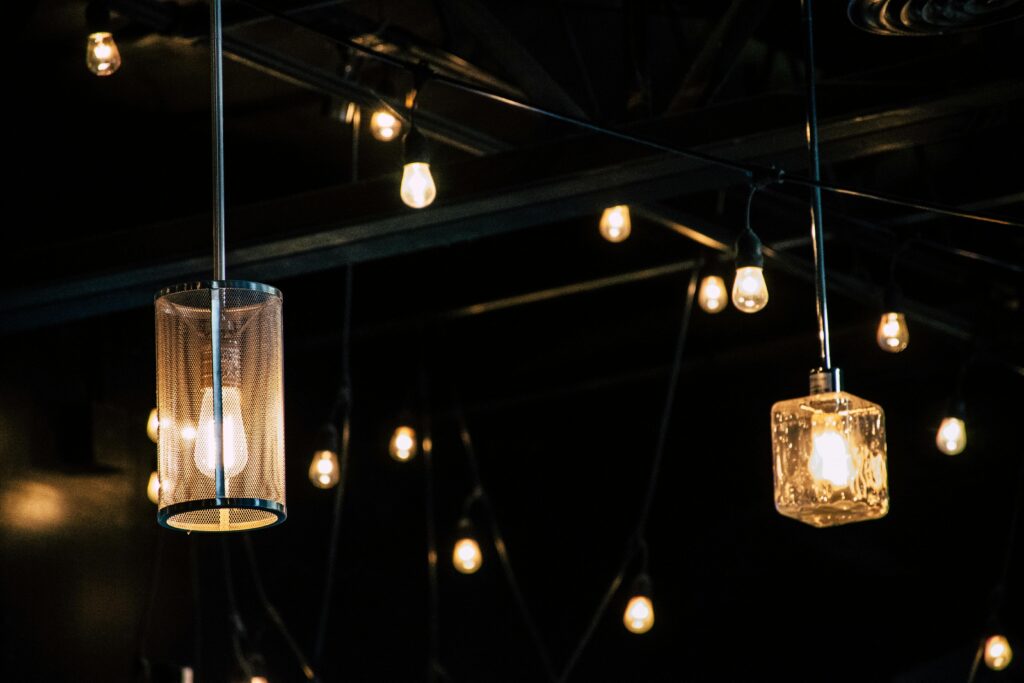
[Photo by Brett Sayles]
Noteworthy Die-Cast Lamp Designers
When it comes to die-cast lamps, certain designers stand out due to their style, creativity, and impact on decorative lighting. Learn about these iconic names who have shaped the world of interior lighting.
Innovators of Style: From Louis Poulsen to Artemide
Louis Poulsen has been a pioneer in the lighting industry, known for creating timeless designs that focus on both form and function. They work closely with designers to craft pieces that blend aesthetic beauty with practical lighting.
On the other hand, Artemide is respected for its innovative approach to lighting design. Their creations often feature sleek and modern lines, combining cutting-edge technology with elegant designs. Artemide's focus on sustainability and energy efficiency also sets them apart as leaders in the industry.
Both designers have made significant contributions to decorative lighting, offering unique options for those looking to enhance their spaces with style and innovation. Whether you're drawn to the classic elegance of Louis Poulsen or the modern flair of Artemide, these names are synonymous with quality and creativity.