Anyone running a business knows how fast things can change, and the need to keep on top of current trends, upcoming challenges or changes in employee or customer expectations. Sometimes it’s hard to pinpoint exactly what’s going wrong, you just know things aren’t working quite as well as they used to and you need to make some changes. Here are ten potential problems that could crop up at any time, with any business, signalling the possible need to move to a new location.
[Photo by LYCS Architecture on Unsplash]
Problems That Moving Office Might Solve
1. Space Constraints
Whether yours is a start-up or a well-established business, lack of space to work efficiently and effectively is a common problem. Businesses evolve and change all the time, and often you need to rethink your work area, both for storage and for office or workshop space. Moving your business into new premises can often solve the problem.
2. Rising Overheads
With prices going up all the time, cost is often a deciding factor in choosing a business location. If you find yourself struggling to meet overheads, investigate alternative opportunities such as flexible offices. They offer transparent rolling monthly contracts with no hidden extra charges such as business rates or VAT. Flexible offices are also ideal if you don’t like the idea of a long, fixed term contract. Part of that flexibility is being able to quickly respond to changing business needs.
3. You Need a Better Location
Location can play a crucial role in a business's success. Moving to a more accessible or prestigious location can increase visibility, attract more customers - so much so that you might need to invest in a good CXDP platform to help you keep up with everything and everyone - and make it easier for employees to commute. This is especially true if your current location is your home. Moving to something that’s perceived of as being more professional can help you promote and market the business more confidently.
4. You’d Like Better Facilities and Amenities
A new office may offer better facilities, amenities or services that could boost productivity and employee satisfaction. This could include nearby business storage, sustainable office solutions or features like modern technology infrastructure, better meeting rooms, a more comfortable break area, or even nearby shops, cafes and restaurants.
5. Poor or Confused Brand Image
A move to a new, more modern office can improve your business's brand image. A well-designed and attractive workspace can impress clients and potential employees, signalling that your company is successful and forward-thinking. Often, the projection can become the reality, so if you’re struggling with brand identity a move can help solidify things.
6. Lack of Collaboration
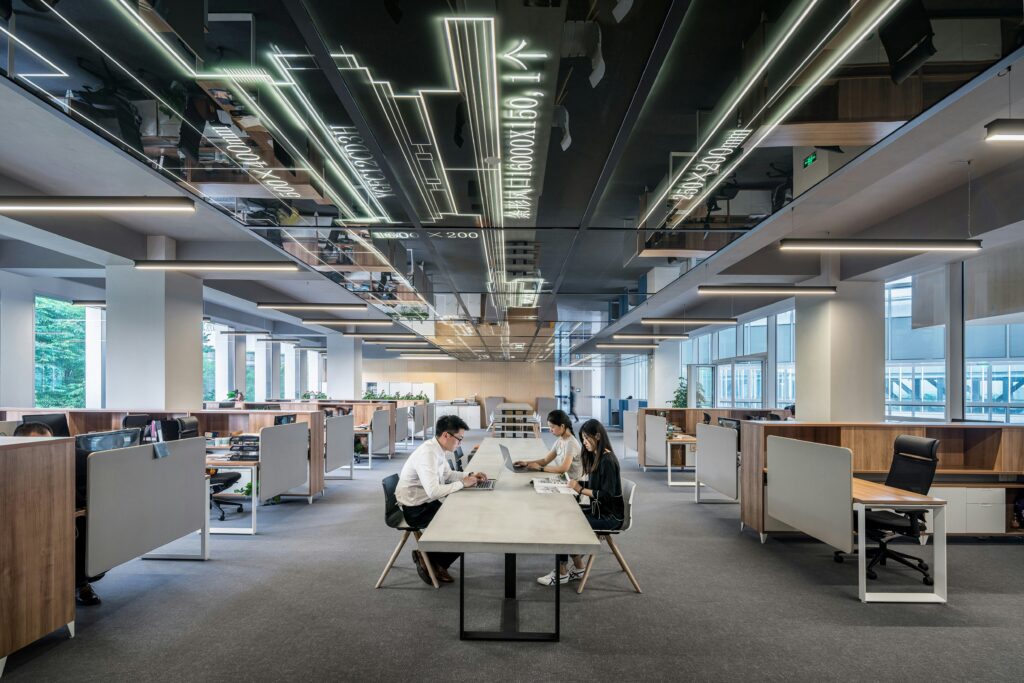
The layout and design of an office can also impact collaboration among team members. Moving to an open-plan layout or incorporating collaborative spaces can encourage communication and teamwork, leading to greater innovation and efficiency. It refers back to the problem of having enough space, since you need room for collaborative work spaces, comfortable rest areas or quiet spaces to meet with clients.
7. Long or Difficult Commute Times
If your current office is located far from where you or your employees live, moving to a more central location can reduce travel times and make the journey easier. A less stressful commute has several knock-on effects, from improving your team’s work-life balance to increasing overall satisfaction. You’ll often find flexible offices in good, easy to access locations with good transport links.
8. Out-of-Date Technology Infrastructure
Older offices may lack the necessary technology infrastructure to support modern business operations. Moving to a new office can provide an opportunity to upgrade IT systems, internet connectivity, and other essential technology infrastructure.
9. Unfavourable Work Environment
Moving to a new office could offer a fresh start and a better work environment, giving everyone a feeling of renewal and growth. It can really boost morale and employee satisfaction, even if your only employee is yourself as a sole trader. Simple things that are often overlooked, such as improved lighting, better ventilation, ergonomic furnishings or standing desks can offer comfort, flexibility at work and a more aesthetically pleasing space.
10. You Need to Adapt to Remote Work Trends
The trend towards remote working isn’t going to change or lessen, so moving your business into more modern premises could allow you to more easily design a space that reflects the need for hybrid or fully remote work setups. This might involve creating dedicated areas for virtual meetings, collaboration tools, or hot-desking arrangements.
To Conclude
Of course, the list isn’t exhaustive. There are many reasons why businesses choose to move, and it’s rarely a small decision. Sometimes though, it’s the best way forward to ensure future security and continued growth.