AD. In the world of modern retail, creating inclusivity isn't just a moral imperative, it's a strategic advantage. Embracing accessibility initiatives can make your retail store accessible to all, enhancing customer satisfaction and loyalty. In this article you'll discover 10 practical tips to make your retail store more accessible, creating a welcoming space for individuals with diverse abilities.
[Photo by Marcus Aurelius]
Understanding Accessibility Challenges in Retail Stores
The world of retail is busy and bustling. Creating a space that caters to all customers is not just a courtesy but a necessity. Unfortunately, many retail stores still struggle with accessibility challenges that can inadvertently exclude certain individuals from enjoying a seamless shopping experience.
More often than not, retailers focus on meeting safety compliance standards by installing a dedicated home fire alarm system and a CCTV solution. Yet, these responsibilities do not eliminate the need for accessibility.
Let's take a look at some things you should consider to make your retail store accessible.
Accessibility issues to consider
- Are aisles wide enough to accommodate wheelchairs and prams?
- Do you have ramps or elevators in place to ensure accessibility for all customers?
- Is your signage clear and easy to understand?
- Can you create a more sensory friendly environment to accommodate customers with sensitivities?
- Are your restrooms equipped with features such as an emergency cord, grab bars and accessible sanitaryware?
- Have you provided sufficient seating options throughout the store?
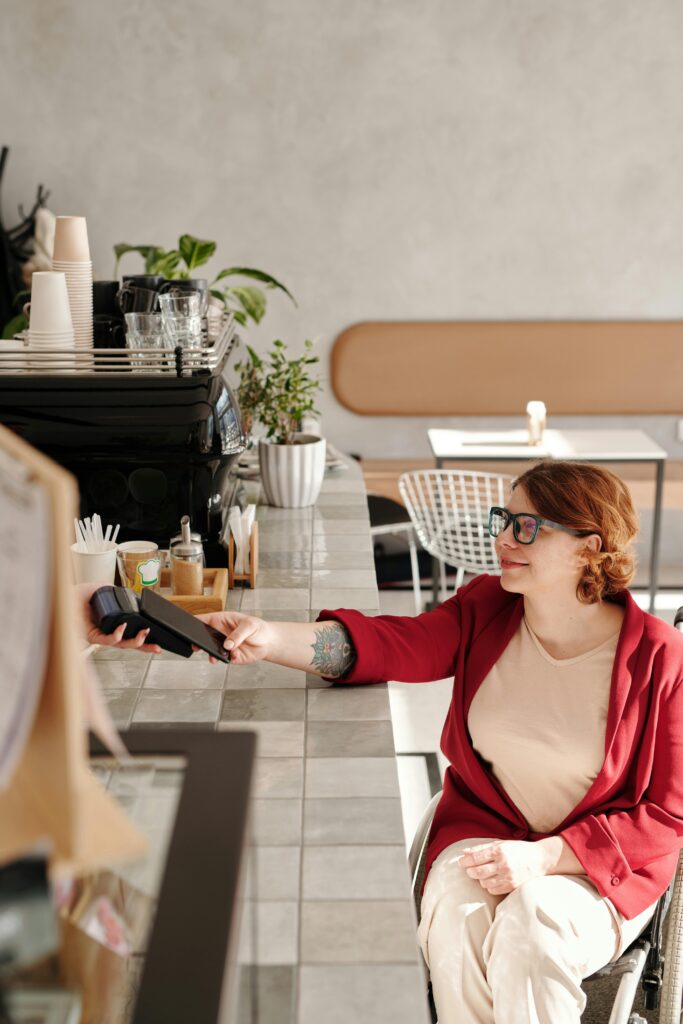
- Are checkout counters and payment systems accessible to individuals of all mobility levels?
By addressing these questions and actively working to remove barriers, you can create an environment that is inclusive, welcoming, and accommodating to everyone.

[Photo by Maria Orlova]
How to make your retail store accessible
As retailers, it's essential to prioritise accessibility to ensure that every customer feels welcomed and valued. Here are some practical tips to help you make your retail store more accessible:
Clear Signage and Wayfinding
Signage and visual merchandising throughout your store needs to be clear for all. This means using an accessible colour palette generator to ensure text and imagery is as clear as possible. You should also consider using tactile elements such as braille or raised lettering on signage at appropriate heights to assist those with visual impairments. If your store is on the larger side, it's worth providing a map at the entrance to help customers navigate your store more easily.
Provide Appropriate Space
Providing wide shopping aisles not only improves accessibility but also enhances the overall flow of traffic within your store. This should reduce congestion and make it easier for all customers to move around freely. Regularly assess the layout of your store to ensure that pathways remain clear and obstacles are minimised.
Ramps and Elevators
Installing ramps and elevators demonstrates your commitment to accessibility. It ensures that customers with mobility impairments can access all areas of your store without barriers. Consider consulting with accessibility experts to ensure that that access lifts meet the needs of your diverse customer base.
Offer Sensory Friendly Options
Designated sensory-friendly hours can be provided to customers by dimming lights and reducing noise during set periods. Depending on the size of your store, you could also consider providing quiet zones to create a more subdued environment. Additionally, consider the impact of scents and air quality on customers with sensitivities. Installing vape detectors can help maintain a clean air environment by monitoring and preventing vaping in areas where it could disrupt the experience of customers with respiratory issues or sensitivities. This small but significant step can contribute to a more comfortable and inclusive shopping environment.
Provide Accessible Restrooms
Accessible restrooms are not only a legal requirement but also a fundamental aspect of creating an inclusive environment for all customers. Regularly inspect restrooms to ensure that accessibility features are well maintained and that any issues are promptly addressed to minimise disruptions for customers.
Offer Assisted Shopping Services
Empower and encourage your staff to provide personalised assistance to customers with disabilities, whether it's helping them navigate the store, locate specific products, or provide information about accessibility features. You might offer dedicated shopping assistance programs or training specific staff members as accessibility ambassadors.

[Photo by Marcus Aurelius]
Make Checkout Counters Accessible
Checkout counters should be lowered so those in wheelchairs or mobility scooters for example have visual access to yourself and the checkout. It might also be handy to offer a click and collect service where a customer can experience a quick and seamless transaction.
Provide Seating Areas
Seating areas not only offer a place for customers to rest but also encourage social interaction and rapport building. Consider incorporating comfortable seating options that are ergonomically designed and easily accessible to individuals with mobility impairments. This would also be handy and particularly welcoming for breastfeeding mums.
Train Staff on Accessibility
Ongoing training and education are essential to ensuring that your staff is equipped to meet the needs of customers with disabilities effectively and empathetically. Encourage staff members to ask open ended questions and actively listen to customers' needs. This builds a culture of inclusivity and respect within your store.
Seek Feedback from Customers
Actively asking for feedback from customers with disabilities demonstrates your commitment for continuous improvement. It allows you to address any accessibility concerns proactively. Consider providing multiple channels for feedback, such as in person surveys or online forms, to ensure that all customers have an opportunity to voice their opinions. Feedback, good or bad, is only ever going to beneficial for your business.
By implementing these strategies, you can make your retail store accessible to individuals of all abilities. You'll build inclusivity and create a shopping experience that leaves a long lasting positive impression.



Great post and perfect for entrepreneurs. Some of this stuff is so key but often missed in the bigger project.
Rosie
It's so important for any retail store to be accessible to those who need it. All of these suggestions you made are what retail stores should be practicing when it comes to making their stores accessible x
Lucy | http://www.lucymary.co.uk