AD. Identifying potential hearing problems in children is crucial for their overall development and wellbeing. Early detection and intervention can significantly improve the outcomes for children with hearing impairments. Here are key signs and steps to consider from leading Harley Street audiologist, Pindrop Hearing:
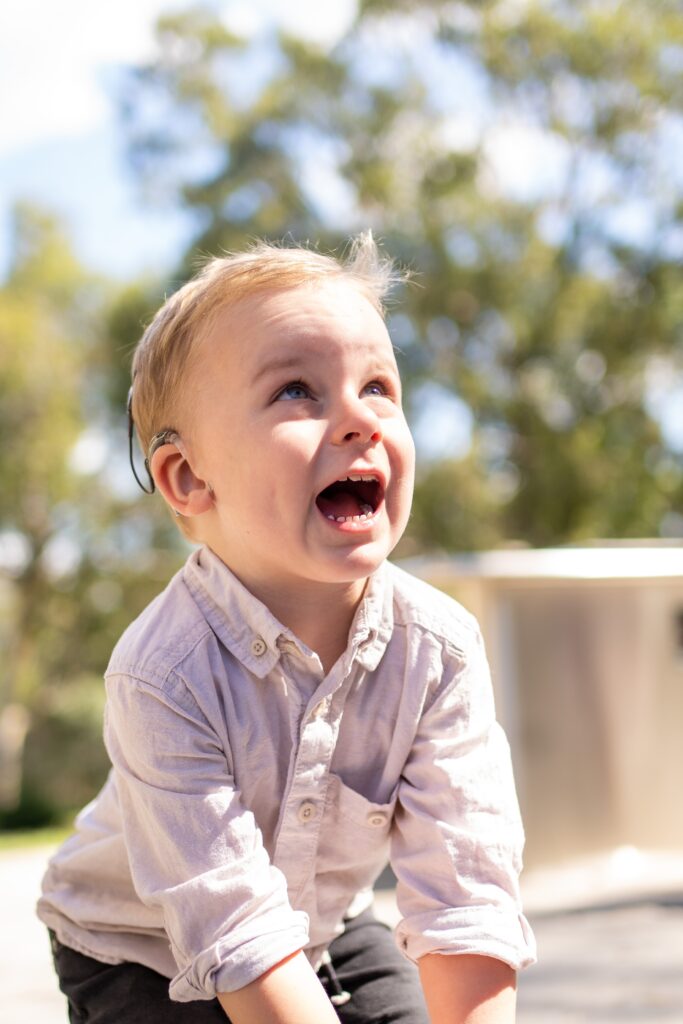
[Photo by Zoe Graham on Unsplash]
Understanding Normal Hearing Milestones
- Birth to 3 Months: Reacts to loud sounds, calms down at a familiar voice.
- 3 to 6 Months: Turns eyes or head towards sounds, starts to imitate sounds.
- 6 to 10 Months: Responds to their name, understands simple words.
- 10 to 15 Months: Uses a few words regularly, enjoys games like "peek-a-boo".
Observing Your Child's Behavior
- Lack of Response: If your child doesn’t react to loud noises or doesn’t turn towards the source of a sound after six months, it might be a concern.
- Delayed Speech Development: Slow or unclear speech can be a sign of hearing issues.
- Frequent Misunderstandings: Difficulty following directions or answering questions appropriately.
- Volume Control: Speaking too loudly or too softly, or watching TV at high volumes.
Social and Emotional Signs
- Frustration in Communication: Children with hearing difficulties may show signs of frustration or withdrawal because they struggle to communicate.
- Reduced Interaction: Less interest in socialising, which can sometimes be mistaken for shyness or introversion.
Physical Indicators
- Ear Infections: Frequent ear infections can be a sign of hearing problems.
- Head Tilting or Turning: To hear better, some children might tilt or turn their head frequently.
What to Do If You Suspect Hearing Loss
- Consult a Pediatrician: Early consultation is crucial. Your pediatrician can guide you to a specialist if needed.
- Hearing Tests: Audiologists can conduct age-appropriate tests to assess hearing levels.
- Observational Vigilance: Keep a close eye on your child’s responses and behaviours in different settings and consider consulting an audiologist in Santa Monica, LA if any hearing concerns arise.
Educational and Emotional Support
- Intervention Programs: Early intervention programs can help children develop language and social skills.
- Support at School: Work with your child’s school to ensure they receive the necessary support.
- Family Support: Encourage open communication within the family and create a supportive environment.
Technological Aids and Resources
- Hearing Aids and Devices: Depending on the diagnosis, various devices can aid hearing.
- Language Therapy: Speech-language pathologists can assist in developing communication skills.
Maintaining Regular Health Check-Ups
Regular check-ups help monitor the child’s hearing and overall development.
Conclusion
Early detection of hearing problems in children is vital. As a parent, being attentive to your child’s developmental milestones and behaviors is key. Consult healthcare professionals if you notice any signs of hearing issues. Remember, with the right support and intervention, children with hearing impairments can lead full and active lives.


This is such an interesting read and it's a great help for parents who are concerned about their child's hearing x
Lucy | http://www.lucymary.co.uk
Great post! My son has actually been referred for a hearing test because his speech is a bit behind!
Corinne x
This is super helpful I've read this post over and over just to make sure I've taken it all in!
Rosie