[AD] Chalazion is one of those words you’ve probably never heard of, yet it’s a condition that’s more common than you might think. It’s not the latest trend or a fancy new app, but rather a type of eyelid cyst that many people experience at least once in their lives. In this article, we’ll unravel the mystery of chalazion, from its causes to prevention and treatment.
Meibomian cyst treatment is something we don’t often hear about, yet many of us may need it at some point in our lives. Today, let’s dive into the world of chalazion, a common eyelid condition, and explore ways to prevent and treat it.
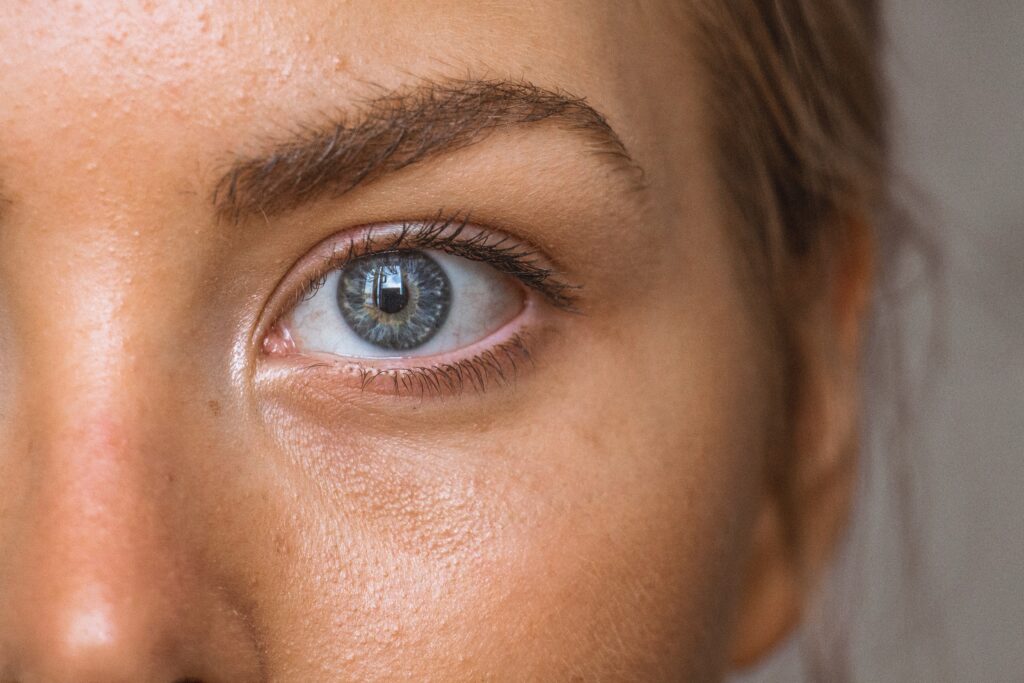
[Photo by Amanda Dalbjörn on Unsplash]
What is Chalazion?
A chalazion is a small, painless lump that can appear on your eyelids, a result of a blocked meibomian gland. It’s not an alien invasion, but it can be annoying. Unlike a stye, which is caused by an infected eyelash follicle, a chalazion is not typically caused by an infection and is less painful.
The causes? Well, they range from poor eyelid hygiene to chronic blepharitis and other skin conditions. It’s like a party no one wanted an invite to, but sometimes we just find ourselves there.
Symptoms
Imagine waking up with a slightly swollen eyelid, a bit tender, but not painful. That’s chalazion making its grand entrance. It’s not the dramatic arrival of a Hollywood star, but it does make its presence known.
Preventing Chalazion
Prevention is always better than cure, right? Maintaining good eyelid hygiene is your golden ticket here. Here are some tips to help prevent them from interrupting your daily life:
- Handwashing: It’s good always to wash your hands thoroughly and often, especially before you touch your eyes.
- Contact lens care: If you have contact lenses, wash your hands before removing them. Also, clean your contacts with a disinfectant and lens-cleaning solution. Don’t forget to always throw daily and limited-time contacts away on schedule.
- Face-washing: Always wash your face daily to remove dirt and makeup before bed! A healthcare provider may recommend cleaning your eyelids with a unique scrub or baby shampoo, especially if you’re prone to blepharitis.
- Makeup hygiene: Makeup can last a long time, but it’s crucial to throw away all your old or expired products. With eye make-up like mascara and eyeliner, it’s best not to share it with anyone and replace it every two to three months.
Treatment Options
If the uninvited guest does arrive, worry not. Medical interventions like antibiotic ointments or steroid injections are the bouncers that can show them the exit. And while you wait for your appointment, warm compresses can be your go-to comfort.
This at-home treatment helps to ease the eye by moisting a cotton bud or a clean flannel in warm water. Then you gently but firmly press it on the closed eye for five to ten minutes, three to four times daily. At times this is just enough to soften the contents of the fluid-filled swelling (cyst), helping it drain more quickly.
Conclusion
In the grand scheme of things, a chalazion is a small bump (literally) in the road. With a dash of prevention and a sprinkle of timely treatment, it’s a condition that’s manageable and typically resolves with minimal fuss. Always seek medical advice to ensure your eyes, the windows to your soul, are in optimal health.
Remember, your eyes deserve the best treatment. Let’s give them the care they need to sparkle, shine, and be utterly, beautifully you.


