AD. Your first hearing devices may make familiar surroundings sound surprisingly different. You might notice a refrigerator hum, footsteps, rustling paper, or your own voice more clearly than before. Give your brain time to get used to these sounds. The adjustment period varies, so progress may feel gradual rather than immediate. If sounds seem too loud or tiring, take a short break and try again later.
Learning Your Devices And Phone
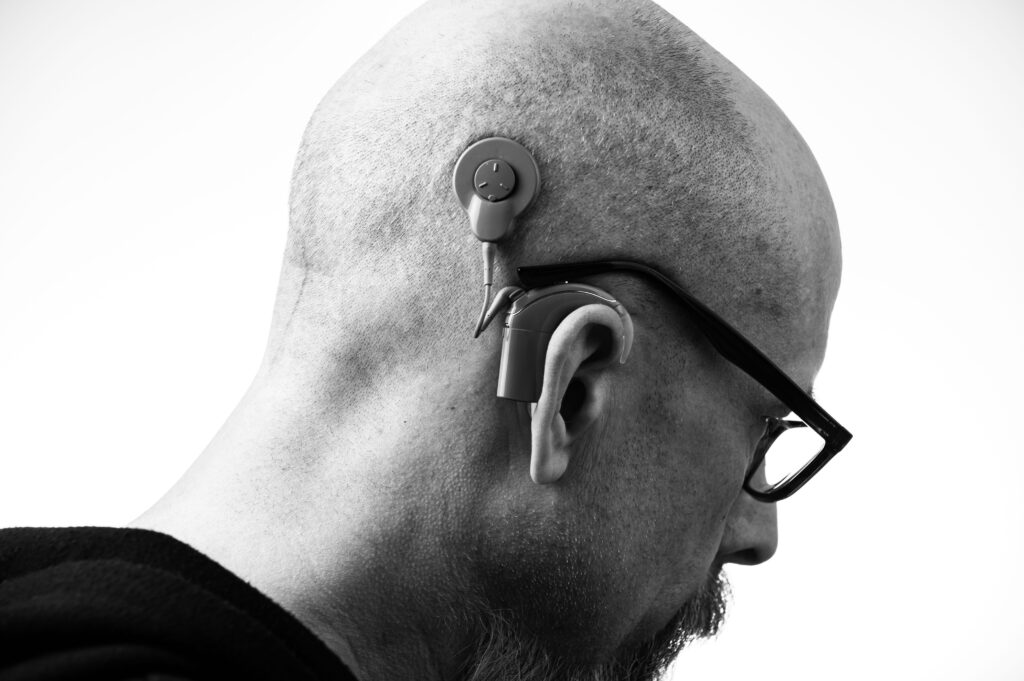
Ask your hearing-care professional to show you how to insert, remove, clean, and charge your devices before leaving your fitting appointment. Practice the controls, and make sure you know what the indicator lights or tones mean. For Bluetooth features, follow the manufacturer’s steps for connecting your hearing aids to your phone. Try streaming a short call or audio clip in a quiet room, then adjust settings only as described in your device instructions or by your provider.
Building A Comfortable Routine
Begin in a familiar, quieter place, such as your home. Wear the devices for a manageable stretch, then gradually add time as comfort allows. Once listening feels easier, try a calm conversation with one person, followed by a small gathering or a busier public setting. This step-by-step practice helps you get used to different voices and background sounds without feeling overwhelmed. If a sound is uncomfortable, note when it happens and discuss it at your follow-up appointment rather than making major programming changes on your own.
Practicing Everyday Listening
Use ordinary activities as low-pressure practice. Read aloud to notice how your voice sounds, listen to a familiar podcast, or talk with someone face-to-face in a quiet room. In conversation, reduce background noise where possible, sit with good lighting, and ask others to speak clearly while facing you. In a group, choose a seat that lets you see people’s faces. These small adjustments support listening while you learn what works best in different situations.
Keeping Devices Clean And Ready
Follow the cleaning and storage directions for your specific model. In general, wipe devices with a dry, soft cloth, keep them away from water and excessive heat, and check for wax or debris as instructed. Recharge rechargeable devices as directed, or keep spare batteries available if your model uses them. Wash and dry your hands before handling small parts, and store devices safely when they are not in use. The National Institute on Deafness and Other Communication Disorders’ hearing-aid information offers an overview of device types and use.
Getting Help And Tracking Progress
Keep a short note on your phone or in a notebook about situations that feel easy, sounds that seem too strong, and any discomfort. Bring those observations to follow-up visits. A provider may adjust the fit or settings, explain features again, or help troubleshoot connection problems. Mild adjustment challenges can happen, but persistent pain, irritation, sudden changes in hearing, or devices that do not work properly deserve prompt professional attention.
Making The Most Of Your First Weeks
Set simple goals, such as wearing the devices during breakfast or having one relaxed conversation each day. Celebrate small wins, and give yourself permission to pause when listening becomes tiring. Keep appointments, ask questions, and carry the case when you go out. With regular practice and support, everyday listening can become more comfortable. Be patient with yourself: learning new devices is a skill, and each day gives you another chance to build confidence.