AD. Your bedroom should be your personal sanctuary—a space where quality sleep comes naturally. The colours that surround you each night make a genuine difference to how well you rest, setting the emotional atmosphere and directly influencing your ability to unwind.
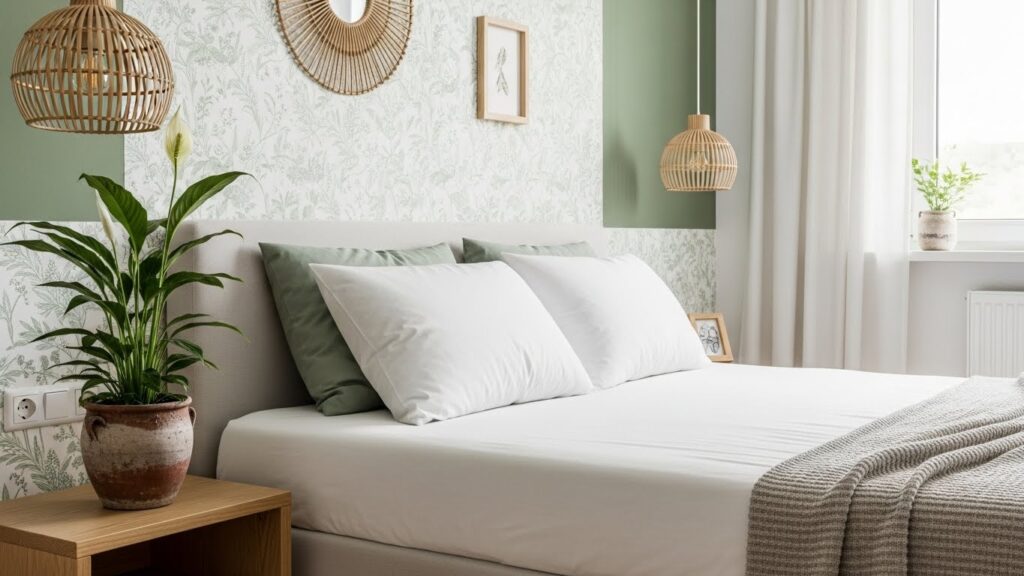
Whether you are struggling with restless nights or simply want to create a more peaceful retreat, this guide will help you discover the perfect sleep-supporting palette. You will learn how to create a relaxing bedroom that works with your body's natural rhythms, and the best part is that you don't need a complete renovation to see genuine improvements in your sleep quality.
The Science of Colour and Sleep
The connection between your bedroom walls and your sleep quality goes far beyond simple decoration. Colour psychology reveals how different hues trigger real physiological responses in your body.
How Colour Calms Your Nervous System
Your body responds to colour through the autonomic nervous system, which controls vital functions like breathing and heart rate. Exposure to calming shades before bedtime can boost melatonin (the sleep hormone) whilst reducing cortisol (the stress hormone).
Why Saturation Matters Most
Saturation determines how intense a colour appears. Highly saturated, pure pigments tend to overstimulate the brain. Conversely, soft, muted tones reflect less light and reduce mental stimulation. A smoky, desaturated sky blue will promote much better rest than a bright, electric blue, even though they belong to the same colour family.
The Magic of Blue
Research from the University of Sussex identified dark blue as the world's most relaxing colour. People sleeping in blue bedrooms average 7 hours and 52 minutes of sleep per night.
This happens because specialised receptors in your retinas, called ganglion cells, transmit signals directly to your brain when they detect blue light, initiating a calming response that lowers blood pressure and decelerates your heart rate.
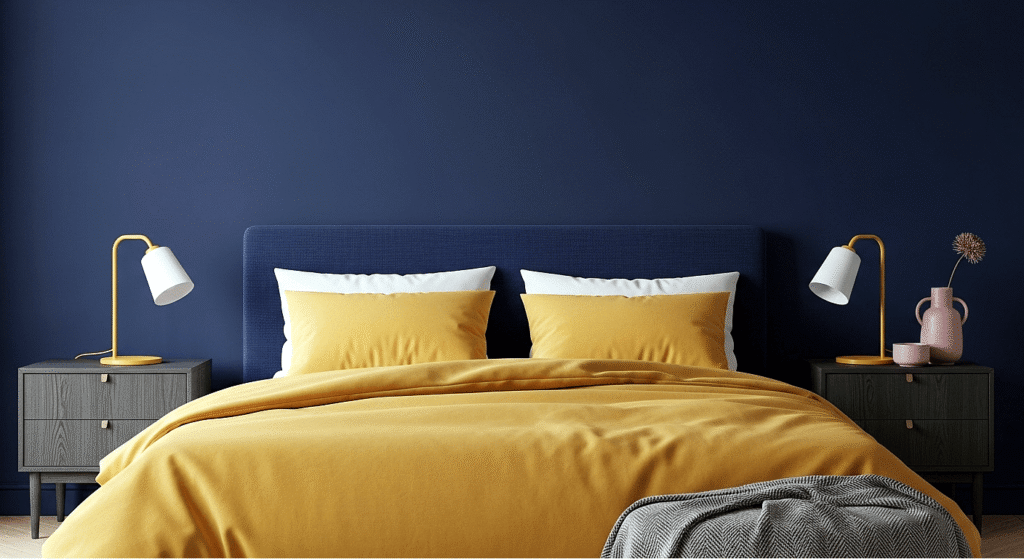
Image credit Bedstar: Indigo blue bedroom decor
The Best Sleep-Enhancing Colours for 2026
If you are planning a weekend decorating project, here are the top colour choices to promote optimal rest:
| Colour Family | Recommended Shades | Psychological & Sleep Benefits |
|---|---|---|
| Blues & Greys | Light blue, icy grey, soft charcoal | Mimics the sky and ocean; lowers heart rate; scores top marks for sleep duration. |
| Greens & Earth Tones | Sage green, forest green, taupe | Connects to nature; inherently restorative; diminishes physical stress. |
| Warm Neutrals | Warm off-white, soft beige | Establishes a calm, breathable foundation; prevents visual overstimulation. |
| Gentle Warmth | Dusty mauve, muted blush pink | Eases physical tension; adds luxury without the high energy of brighter reds or pinks. |
| Deep & Moody | Deep charcoal, navy blue | Wraps the room in stillness; signals to the brain that it is time to wind down. |
How to Introduce Calming Colours
Transforming your space into a sanctuary is all about strategic application.
1. Apply the 60-30-10 Rule
Harmony prevents your bedroom from feeling chaotic. For a balanced, cohesive look, use your dominant colour for 60% of your room, a secondary shade for 30%, and reserve accent colours for just 10% of your space.
2, Start with Feature Walls and Finishes
Painting is a budget-friendly way to introduce calm. Try a single feature wall first to see how the colour feels. Always select matte, eggshell, or satin paint finishes, as they deliver subtle elegance without the excessive light reflection of gloss paints that could keep you awake.
3. Build Layers Through Soft Furnishings
If you aren't ready to paint, bedding offers the simplest route to experiment. Crisp white or soothing green duvet covers establish instant serenity. Layer cushions in relaxing shades and choose soft fabrics for headboards or accent chairs to reinforce your sleep-friendly palette.
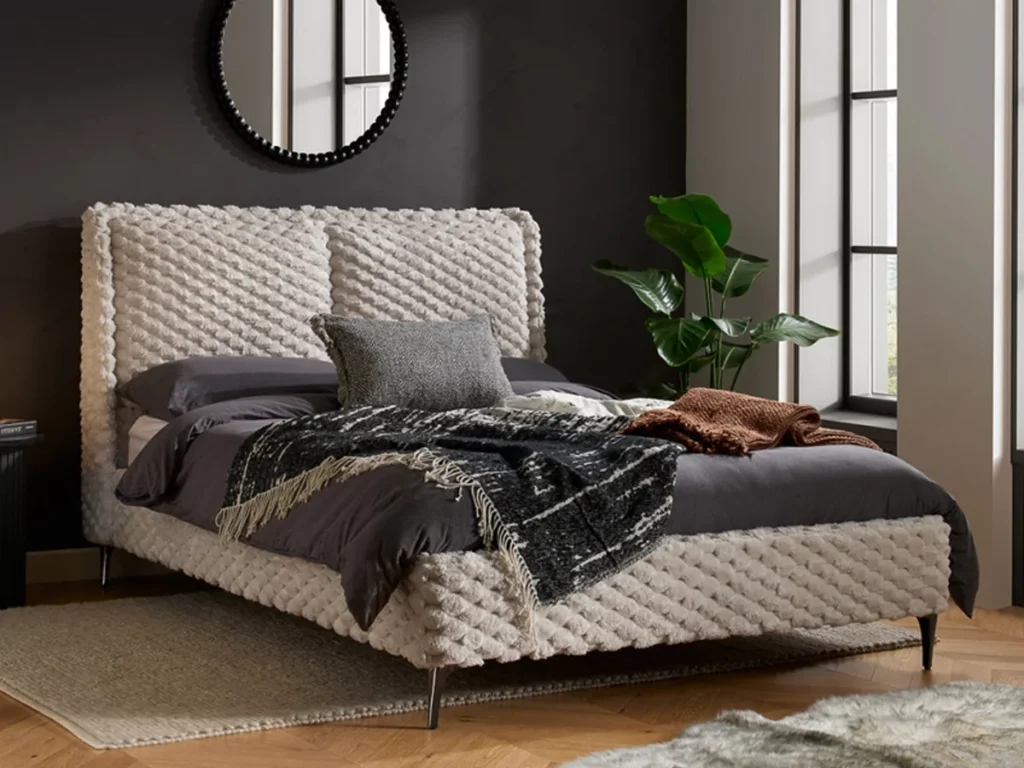
Pictured: Birlea Tilly 4FT 6 Double Bed Frame. Priced £448, available from Bedstar.
4. Test Your Paint Properly
Always paint directly onto your walls rather than sample boards, as wall texture significantly affects how colours appear. Apply at least two coats across a one-foot square area. Observe the patches at different times of day—especially during your evening wind-down routine.
Beyond Colour: Completing Your Sleep Sanctuary
Choosing the perfect palette is just the beginning. The surrounding environment plays a massive role in how effortlessly you fall asleep.
- Optimise Your Lighting: Red and amber lighting are your best evening choices. Standard white light contains blue-green wavelengths that suppress melatonin, whilst amber and red bulbs protect your circadian rhythm.
- Clear the Clutter: Visual disorder competes for your brain's processing capacity. Studies show that people with cluttered bedrooms have flatter evening cortisol rhythms, meaning their stress hormones fail to drop. Tidy surfaces create peaceful minds.
- Choose Natural Materials: Cotton, linen, and wool regulate temperature naturally. Breathable fabrics support physical comfort and enhance mental wellbeing.
- Soundproof Your Space: Thick curtains, drapes, and plush rugs act as superb sound barriers. Softer materials soak up disruptive external noises, whilst hard surfaces reflect them.

Pictured: Bedmr Chester 4FT 6 Double Wooden Bed Frame. Priced £289, available from Bedstar.
Key Takeaways
- Blue is the sleep champion: Soft blues naturally lower blood pressure and extend sleep duration.
- Intensity trumps hue: Muted, desaturated shades always outperform vibrant, highly saturated colours for relaxation.
- Start small: You can entirely change a room's vibe through bedding, a single feature wall, or soft furnishings.
- Holistic design matters: Pair your chosen colours with amber lighting, natural textiles, and minimal clutter to maximise your restful environment.
Frequently Asked Questions
1. Which colours work best for improving sleep quality?
The most effective colours include gentle blues, sage greens, cosy off-whites, and delicate pinks. Subtle earth tones consistently outperform bright, vivid colours by minimising visual stimulation.
2. What makes blue the ultimate calming colour?
Specialised receptors in your eyes transmit calming messages to your brain upon detecting blue wavelengths, creating a physiological response that lowers blood pressure and heart rate.
3. Does colour intensity matter?
Absolutely. Highly saturated shades overstimulate the brain, whilst gentle, muted colours reflect minimal light and decrease mental stimulation.
4. Which lighting colour supports optimal sleep?
Red and amber lights are optimal because they do not interfere with your circadian rhythm, allowing for natural melatonin secretion in the hours before bed.
5. Can bedroom colours actually affect my hormones?
Yes. Exposure to calming colours before bedtime can boost melatonin production whilst reducing cortisol levels, directly impacting your endocrine system and natural relaxation processes.


I've always known that muted colors relaxed me more, but it was so interesting to read the science behind why that is. Such a great post.
I really like natural colours in the bedroom like sage green or a silver colour - I find those the most relaxing for sure. I also like warm colours, but maybe just as accessories.
We painted our room a mid shade purple and it looks lovely but it's probably not the best for sleep quality. We're looking at doing some work in there probably not for a few years but I like the combo of Maeve and blush pink x
Yesssssss colors can affect your mood and hormones. I like light colors, colors that are soft tone, I'm actually working on painting our bedroom now. This was such a great read.
I love this and color really can do so much for your mood and I am a huge fab of yellow and green. they are my favorite colors and in all honesty..... yellow just makes me smile. Love these tips so much and so appreciate you sharing!
I love a warm color palette in general especially for a bedroom. You're absolutely right, the navy blue color is stunning and it's my favorite now...
I did not really realize that color could effect your sleep! I've been struggling to sleep lately - maybe my bedroom needs a makeover.