AD. Japanese fashion has earned a global reputation for its originality, attention to detail, and ability to push the limits of conventional style boundaries. Unlike many Western trends, which tend to follow seasonal cycles and familiar silhouettes, Japanese fashion often prioritises creativity, layering, and individuality. The result is a style landscape that feels both expressive and highly considered.
For UK wearers, however, translating these looks into everyday outfits can sometimes be a challenge. The British climate, cultural norms, and general approach to dressing are quite different from those found in Tokyo or Osaka. What looks effortless on the streets of Harajuku can sometimes feel impractical or overly bold in a typical UK setting.
This guide is designed to make Japanese fashion more accessible. Rather than encouraging you to replicate outfits directly, the aim is to help you understand the core principles behind the style and apply them in a way that works for your lifestyle. Whether you're starting from scratch or refining your wardrobe, this article will give you a solid foundation to build from.
[Photo by Frank Castañeda Peña]
What Is Japanese Fashion?
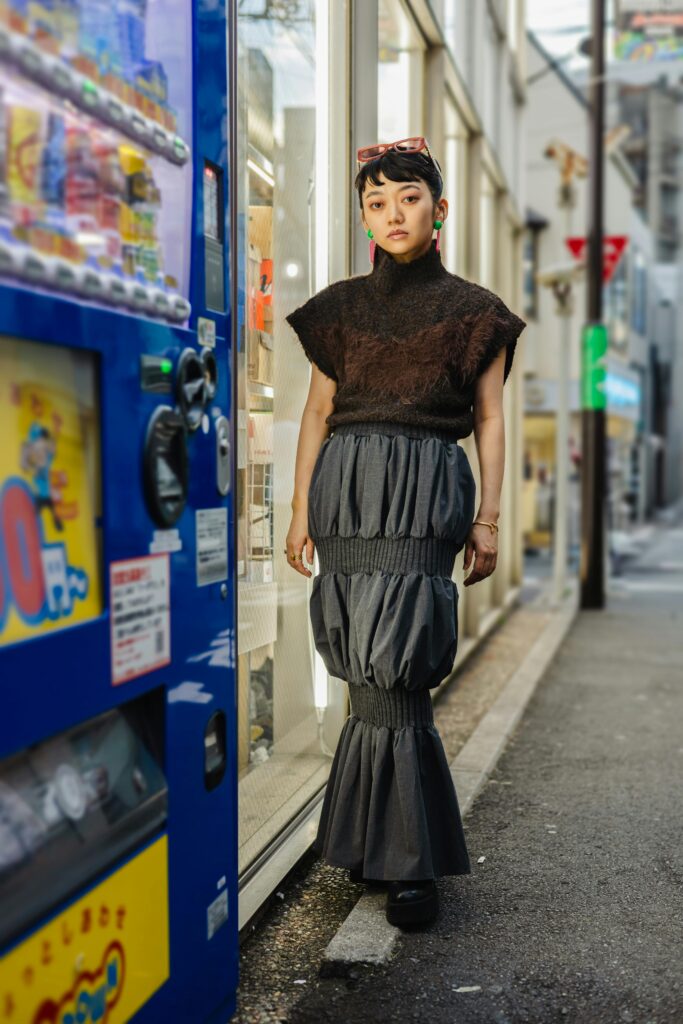
At its core, Japanese fashion is less about following strict trends and more about self-expression. It encompasses a wide range of styles, each with its own identity, from bold streetwear to refined minimalism. What unites these approaches is a focus on silhouette, texture, and thoughtful layering.
In contrast to typical UK fashion (which often leans towards tailored fits and subtle colour palettes) Japanese fashion embraces looser shapes and more experimental combinations. Garments are often chosen not just for how they look individually, but for how they interact within an outfit.
Another defining feature is the blending of influences. It’s common to see modern streetwear combined with traditional elements, or functional pieces styled in a way that feels elevated and intentional. This flexibility is what makes Japanese fashion so appealing... But also what makes it slightly more complex to adopt!
Key Japanese Fashion Styles
Japanese Streetwear
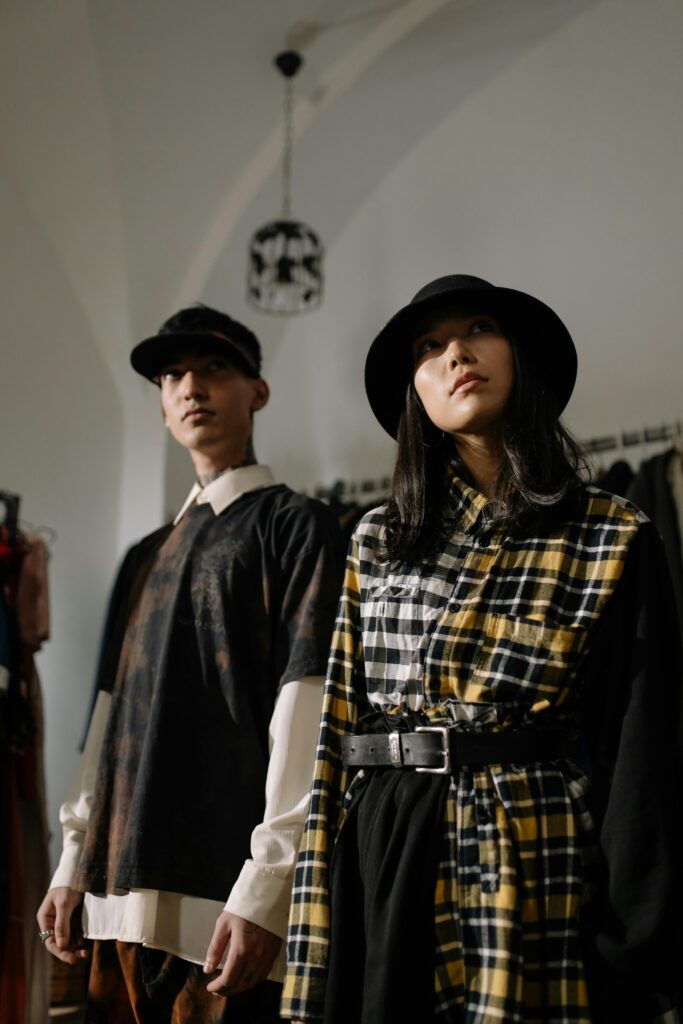
Japanese streetwear is one of the most recognisable expressions of the country’s fashion culture. It’s bold, layered, and often built around standout pieces that draw attention. Graphics, textures, and unconventional cuts all play a role in creating visually interesting outfits.
In a UK context, the challenge is making this style feel wearable without losing its impact. Rather than going all-in, it’s often more effective to anchor your outfit with neutral pieces and let one item do the talking. For example, incorporating a japanese mesh jersey into an otherwise understated outfit can create a strong focal point without overwhelming your overall look.
Minimalist and Oversized Fashion
Minimalist Japanese fashion offers a more subtle entry point and tends to translate particularly well to UK wardrobes. This style focuses on clean lines, neutral tones, and relaxed silhouettes. Rather than relying on bold colours or graphics, it uses proportion and fabric to create interest.
Oversized fits are central to this aesthetic, but they are rarely random. Each piece is chosen to contribute to a balanced silhouette, allowing the outfit to feel intentional rather than oversized for the sake of it. This makes it ideal for everyday wear, especially in urban UK environments where practicality still matters.
Techwear
Techwear sits at the intersection of fashion and functionality, making it especially relevant for the UK’s unpredictable weather. Designed with performance in mind, it often features water-resistant materials, multiple pockets, and a generally utilitarian feel.
What makes techwear appealing is its practicality. It allows you to embrace a distinctly modern aesthetic while still dressing appropriately for rain, wind, and colder temperatures. In many ways, it aligns naturally with the needs of a UK wardrobe, particularly during autumn and winter months.
Traditional-Inspired Modern Wear
Another important aspect of Japanese fashion is the incorporation of traditional elements into modern outfits. This might include kimono-style layers, wide-cut trousers, or garments inspired by historical silhouettes.
For UK wearers, subtlety is key. Rather than recreating a full traditional look, it’s more effective to integrate individual pieces into contemporary outfits. This approach allows you to reference Japanese heritage without appearing costume-like, resulting in a style that feels both unique and grounded.
How Japanese Fashion Differs from UK Style
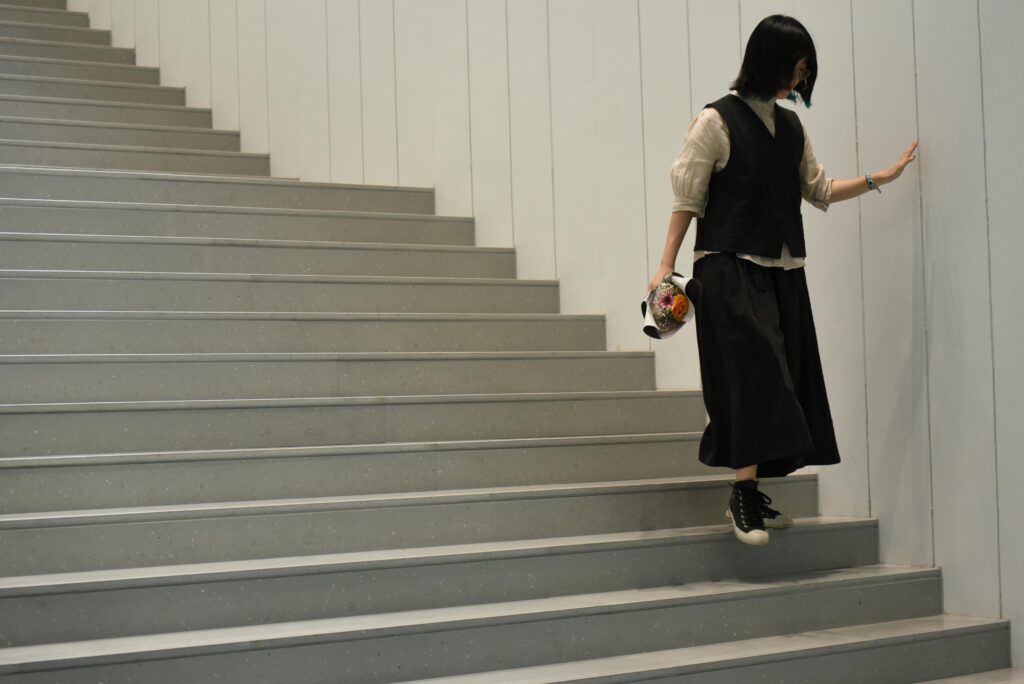
One of the biggest differences between Japanese and UK fashion lies in the approach to fit. While British style often emphasises structure and tailoring, Japanese fashion frequently explores looser, more fluid silhouettes. This shift alone can dramatically change how an outfit feels.
Layering is another major distinction. In Japan, layering is used not just for warmth, but as a core design element. Outfits are built with depth in mind, often combining multiple garments to create visual interest. In the UK, layering tends to be more functional and less expressive.
There is also a difference in attitude. Japanese street style often embraces experimentation, whereas UK fashion is generally more reserved. Understanding this contrast is essential, as it highlights the importance of adaptation rather than imitation.
Adapting Japanese Fashion for the UK
Successfully incorporating Japanese fashion into a UK wardrobe comes down to making thoughtful adjustments. The goal is to retain the essence of the style while ensuring it remains practical and wearable.
One of the most important considerations is the weather. The UK’s climate requires clothing that can handle frequent changes, so layering becomes essential. Lightweight layers tend to work better than heavy ones, as they allow for flexibility throughout the day.
It’s also important to ease into the style rather than adopting it all at once. Starting with a few key pieces can make the transition feel much more natural. Items such as wide-leg trousers or a well-fitted Japanese button up shirt can introduce Japanese influences without completely transforming your wardrobe overnight.
Balance plays a crucial role as well. Oversized clothing is a defining feature of Japanese fashion, but wearing multiple oversized pieces together can sometimes feel overwhelming. Pairing a looser item with something more structured helps maintain a clean silhouette.
Colour is another area where adaptation is useful. While Japanese fashion can be quite bold, UK wardrobes often favour more muted tones. Building your outfit around neutral colours and introducing a single statement piece can create a look that feels both distinctive and appropriate for everyday wear.
Essential Pieces to Get Started
Building a Japanese inspired wardrobe doesn’t require a complete overhaul. Instead, it’s about introducing versatile pieces that can be styled in multiple ways. Some of the most effective starting points include wide leg trousers, oversized outerwear, and well chosen layering items.
Japanese t shirts are another accessible option, offering a simple way to incorporate graphic elements or unique cuts into your outfits. When combined with more neutral pieces, they can add character without dominating the overall look.
Footwear and accessories should not be overlooked either. Functional, well designed shoes and subtle accessories can enhance your outfit while maintaining a cohesive aesthetic. The key is to focus on quality and versatility, allowing each piece to contribute meaningfully to your wardrobe.
Common Mistakes to Avoid
When exploring Japanese fashion, it’s easy to fall into a few common traps. One of the most frequent is trying to replicate outfits exactly as they appear online. Without considering context, these looks can feel out of place in a UK setting.
Another issue is misunderstanding proportion. Oversized clothing requires careful styling, and without balance, it can quickly appear shapeless. Similarly, over layering can make an outfit feel cluttered rather than intentional.
Practicality should always remain a priority. No matter how visually appealing an outfit may be, it needs to suit your environment and daily routine. Keeping this in mind will help ensure your style remains both expressive and functional.
Where to Buy Japanese Fashion in the UK
Access to Japanese fashion has become increasingly straightforward, with more retailers offering both authentic and inspired pieces. UK-based shops provide convenience, while international stores open up a wider range of options for those willing to explore further.
Shopping second-hand can also be a valuable approach, particularly if you’re looking for unique or hard-to-find items. Regardless of where you shop, focusing on quality rather than quantity will help you build a wardrobe that lasts.
Some places to buy Japanese fashion in the UK iunclude:
- Uniuqlo
- Muji
- End clothing
- Pick store
Conclusion
Japanese fashion offers a refreshing alternative to traditional Western styles, encouraging creativity, individuality, and a deeper understanding of how clothing works together. While it may initially seem difficult to adapt, the reality is that small changes can have a significant impact.
By focusing on silhouette, layering, and thoughtful styling, you can incorporate Japanese influences into your UK wardrobe in a natural way. The key is to approach it with flexibility, allowing your style to evolve over time rather than forcing it all at once.
As you continue exploring, you’ll find that Japanese fashion isn’t just about how you dress, it’s about how you think about clothing altogether.