Slow running is often overlooked in favour of speed, distance, or performance. But as summer creeps closer and temperatures begin to rise (hallelujah), taking a slower, more relaxed approach to running can be one of the most effective ways to stay consistent… And actually enjoy your time running outdoors!
Many runners notice that their usual pace feels harder during warmer months. It’s totally normal. Heat, humidity, and longer days all place additional stress on the body. During the summer months it’s more difficult to maintain the same gusto and intensity you might be used to earlier in the year.
Instead of pushing through or feeling discouraged, this seasonal shift offers an opportunity to think a little bit differently about how you run. Slowing down and focusing on effort (rather than speed) can make running feel way more sustainable… And enjoyable!
In this blog post, we’ll take a look at why slow running works well in summer, the benefits it offers, and how you can adjust your routine to make the most of it.
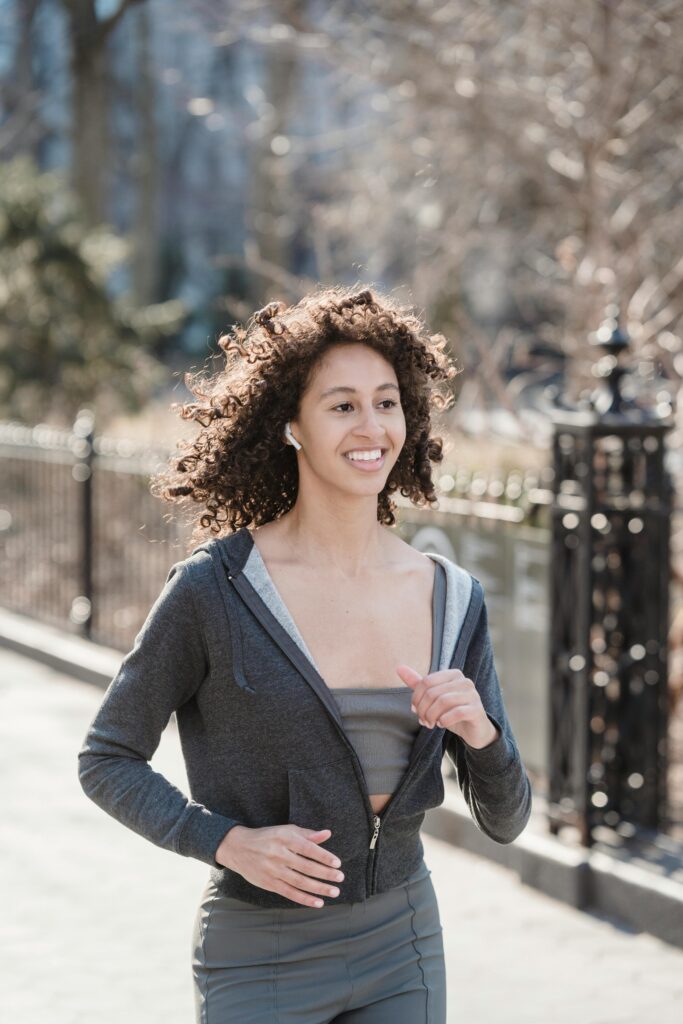
What Is Slow Running?
At its core, slow running is exactly what it says on the tin: running at a gentler, more comfortable pace.
It’s not about hitting personal bests, chasing numbers on your smart watch, or pushing through discomfort. Instead, slow running is all about running at a speed where you can breathe easily, hold a conversation, and feel in control of your effort.
You might hear it referred to as:
- “easy running”
- “conversational pace”
- “zone 2 running”
But don’t let the terminology overcomplicate things. Slow running is simply about taking the pressure off.
For many runners, especially beginners or those returning after a break, slow running can feel counterintuitive. We’re often taught that faster equals better. But in reality, learning how to run slower can unlock a completely different relationship with running. And summer is the perfect time to start.
Why Summer Naturally Encourages Slower Running
As temperatures rise, your body begins to work harder, even if your pace stays the same. No pun intended, but summer running can feel like an uphill struggle… Even if you’re not running on an incline.
Heat changes everything
Running in warmer weather increases your heart rate and places more stress on your body. What felt like an easy pace in February can suddenly feel challenging in July. This isn’t a sign that you’re losing fitness. It’s simply a sign that your body is adapting to the heat.
Slowing down allows you to:
- Regulate your effort
- Avoid overheating
- Run more comfortably for longer
Longer Days, Less Pressure
Summer naturally brings a shift into your exercise routine. The lighter mornings and longer evenings mean there’s more opportunity for you to go outdoors and get a run in.
Instead of squeezing a run into your dinner break or before it gets dark, you can head out whenever it feels right. Whether that’s a quiet early morning or a golden-hour jog after dinner, you can let your body decide when it’s time to put your trainers on.
That shift alone can make running feel less like a task and more like something you choose to do. It’s amazing the effect a bit of daylight can have on you, both physically and mentally.
A More Relaxed Mindset
Summer tends to soften our approach to routines. We spend more time outdoors, leaning into slower living. And generally we feel more lightweight and relaxed.
Of course, slow running fits naturally into that rhythm. It allows you to move with the season, rather than against it.
The Benefits of Running Slower
If you’ve always associated progress with speed, slowing down might feel like a step backwards. But in reality, it’s quite the opposite.
So, let’s take a look at some benefits of slow running.
Improved Endurance
Running at an easier pace helps build your aerobic base (the foundation of all cardiovascular fitness). Over time, this will make running feel easier. You’ll be able to run further and faster once the autumn and winter months come.
Reduced Risk of Injury
Pushing too hard in the heat can increase your risk of fatigue and injury. Slow running allows your body to adapt, reducing strain on your joints and muscles.
Better Consistency
When running feels more manageable and enjoyable, you’re far more likely to stick with it. It’s the same with anything! Consistency is key and what truly drives progress along.
More Enjoyment
Perhaps the most underrated benefit of all is how much more fun running becomes when you slow the pace. When you’re not chasing personal bests, you start to notice the little things when you're out and about:
- The sound of your footsteps
- The rhythm of your breathing
- Other people enjoying their day to day lives
- The way the light changes as the sun sets
Running becomes less performative and more about being present in the moment.
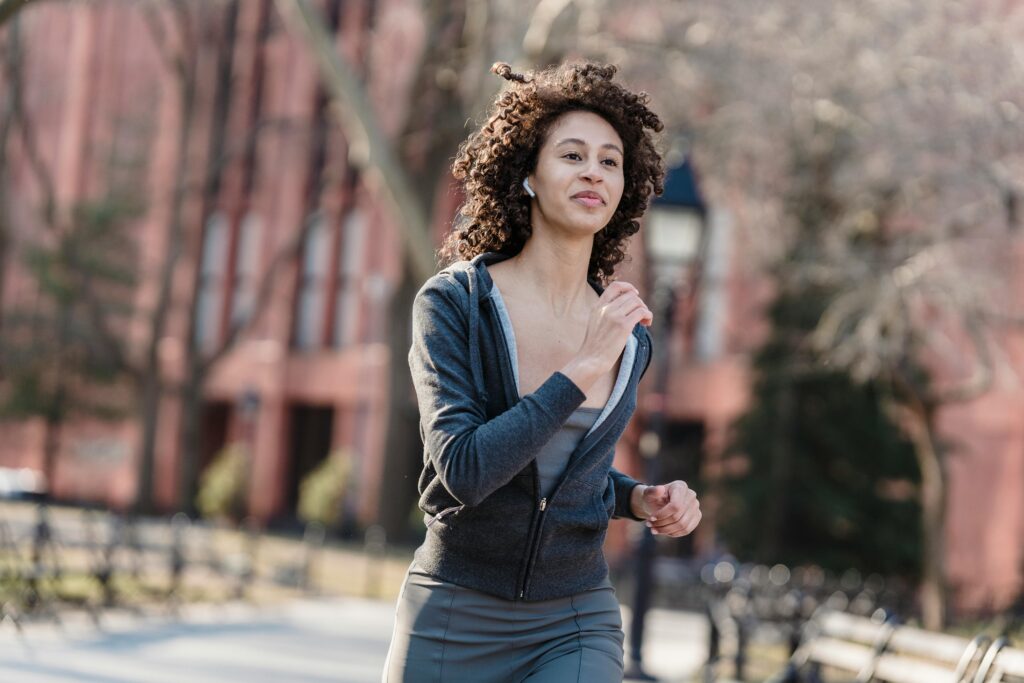
Preparing for Slow Running in Summer
Slowing your pace doesn’t mean lowering your standards. It simply shifts your focus a little bit. Preparing properly for slow running, particularly in summer, can make the experience feel way more comfortable and sustainable. Rather than overcomplicating things, it’s about making a few considered choices that support a more relaxed approach.
Choosing the Right Clothing for Warmer Runs
What you wear plays a significant role in how your run feels. I can never decide if this is a good thing or a bad thing. But what I do know is that this is especially true during extreme temperatures.
In summer, breathable fabrics help regulate your body temperature and prevent you from overheating. Loose fitting clothing that allows air to circulate can also make a huge difference, particularly on longer runs or when you’re out during the warmest part of the day.
When you’re embracing slow running, comfort becomes the priority. Anything restrictive or heavy can quickly take away from the ease you’re trying to create.
There’s also a mental shift that comes with dressing for slower runs. When you’re not preparing for speed or intensity, your choices become simpler. This reinforces that the idea surrounding this type of running is all about enjoyment rather than output.
Footwear and Finding What Feels Natural
Most runners will already have a pair of trainers they rely on. But slow running is a good opportunity to reassess how your shoes actually feel when you work a little differently and you’re not pushing the pace.
A comfortable, well-cushioned pair of outdoor shoes can help absorb impact, particularly when you’re running for longer, across less than sturdy terrain. The goal here isn’t to find something majorly specialised, but to find a pair of trainers that allows your stride to feel naturally supported.
For some, this might simply mean using a reliable pair of everyday trainers or tennis shoes that feel familiar. Slow running benefits from a less rigid approach, where comfort and freedom of movement take priority over more technical features.
Ultimately, if your shoes allow you to settle into a relaxed pace with ease, they’re doing exactly what you need them to do.
Hydration and Planning Around the Heat
Heat can build quickly in summer, even on those days that don’t initially feel particularly warm. This, of course, has a direct impact on how your body responds to exercise.
Running at a slower pace helps manage this discomfort, but it’s still important to plan ahead. Choosing cooler times of day, such as early mornings or later evenings, can make your runs feel so much more manageable. Bringing water on longer runs, or planning routes where you can stop easily if needed, adds an extra layer of ease.
Slow running isn’t about strict rules or routines. It’s about creating an environment where running feels comfortable instead of forced. The more you reduce external stresses, the easier it becomes to maintain a steady, enjoyable run.
Creating the Right Mindset Before You Start
Preparation isn’t only physical. It’s also mental… Perhaps even more so!
One of the biggest challenges with slow running is letting go of expectations. If you head out with the same mindset you’d bring to a faster or more intense session, it becomes so much harder to truly settle into a slower pace.
Instead, it helps to set a simple intention before you begin. That might be to run without checking your watch, to focus on your breathing, or simply to enjoy being outside. These small shifts can have a significant impact on how the run feels.
When you approach slow running with the right mindset, everything else tends to fall into place. Your pace becomes more natural, your effort more controlled, and the experience as a whole far more rewarding.
How to Actually Run Slower Without Overthinking It
Knowing you should slow down is one thing. Actually doing it can be surprisingly difficult. Here are a few simple ways to ease into slow running this summer:
Ignore the Numbers
If you track your runs, try not to look at your pace or time. It’s easy to speed up subconsciously when you’re watching the numbers. Instead, focus more on how the run feels.Enjoy the moment.
Use the “Talk Test”
A simple rule to slow running: if you can hold a conversation without gasping for breath, you’re running at the right pace. And don’t worry if you’re running alone, just try speaking a sentence out loud. It sounds odd, but it works!
Choose More Scenic Routes
Running along canals or on trails naturally encourages you to slow down. It’s harder to rush when you’re surrounded by such lush surroundings. And far more enjoyable too.
Change your Mindset
Listening to a podcast or slower paced music can help shift your focus away from speed and onto the experience.
Turning Slow Running Into a Summer Ritual
One of the best things about slow running is just how easily it can become part of a wider routine. Rather than treating your run as just an exercise, you can start to build small enjoyable rituals around it.
Morning Runs
Heading out early, before the heat builds, can feel calm and refreshing. The streets are quieter, the air is cooler, and there’s a rewarding sense of grasping a secret part of the day.
Evening Runs
Alternatively, an evening run just before the sun begins to set can be equally as rewarding. The light softens, the temperature drops, and everything feels a little bit more fun. I think there’s that sense of really making the most of the full day that brings such joy to an evening run.
Pairing Movement with Moments
You might begin to link your runs with simple pleasures:
- A coffee afterwards
- Walking through your local park
- A few minutes of stillness before heading home
These small additions can transform running from something you fit in, into something you look forward to.

Rethinking What “Progress” Looks Like
In a world where performance is so often measured by numbers, slow running asks you to take an alternative approach. Progress doesn’t always mean running faster. Sometimes, it looks like:
- Showing up consistently
- Finishing a run feeling on top of the world
- Enjoying the process rather than enduring it
This shift in perspective can be really powerful!
You might find that when you stop chasing pace, your overall relationship with running improves… And ironically, your fitness often does too.
Final Thoughts: Let Summer Set the Pace
If your runs have been feeling harder lately, you’re not alone. But instead of pushing through or trying to maintain the same pace you held in cooler months, consider this as your permission to slow down.
Let summer change the way you run. Ease your pace. Breathe a little deeper. Notice more.
Because running doesn’t have to be fast to be meaningful. Sometimes, the slower runs are the ones that stay with you the longest!

I had no idea slow running is better than fast pace running, wow!!! This is very enlightening...I will start to decrease my pace from tomorrow. I love running; it is my favorite sport.
Slow running is such a great way to be active without actively waiting for your exercise session to be over. It's great for taking in the scenery.
Sticking to a relaxed pace when the heat kicks in makes a lot of sense. Your perspective on the seasonal shift is helpful because I usually feel guilty about slowing down. My lungs usually prefer the breeze.
Such a refreshing reminder that slow running can be just as powerful as fast performance training.
I love the focus on enjoyment, presence, and listening to your body during summer runs.
I can totally get on board with slow running. Especially during the warmer months - I really do find that running at a slower pace feels so much more enjoyable - there are many benefits!
Slow running is definitely more me because I find running quite hard at my weight. Once I've started to lose some weight I want to get into running ands this sounds like it would be right for me x
I am a slow runner, but it is deffo not a joy, haha! When I go out for a run, I just focus on time more than anything - I just want to run for about 30 mins for a cardio workout. It doesnt matter how far or fast I go!
Corinne x
By coincidence I just came back from a power walk and was passed by a few people that were slow running. It is a super popular form exercise and so much nicer now that the weather has gotten warmer and drier and is lighter for longer. Slow running is a great way to relax your mind, get a good cardio workout and also reduces impact on the joints. Breathable fabric are always preferable for this.
I have never heard of slow running before, but that does make a lot of sense. Sounds like a great time of year to pick up a new, healthy hobby.