Early Years: Where Safety Actually Starts
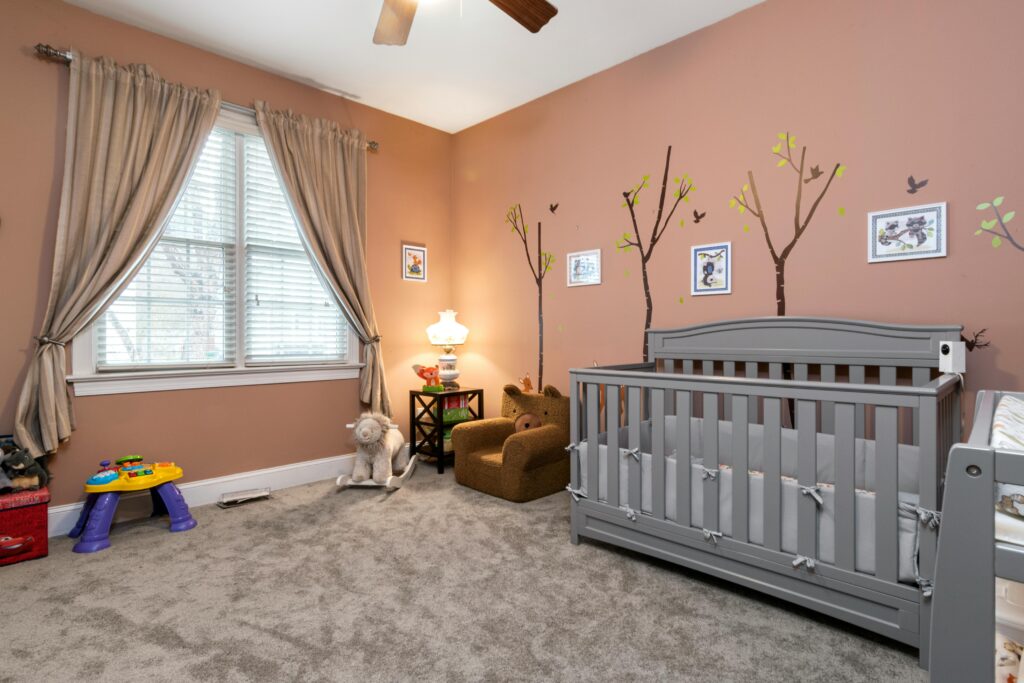
AD. The first time I set up a nursery, I thought I’d nailed it. Soft colours, tidy shelves, nothing sharp in sight. Then the baby started crawling. Game over. Suddenly, everything felt like a hazard.
Real safety isn’t pretty. It’s corner guards, locked cupboards, and moving breakables higher than you think you need. You learn fast. Or you step on a toy at 2am and learn faster.
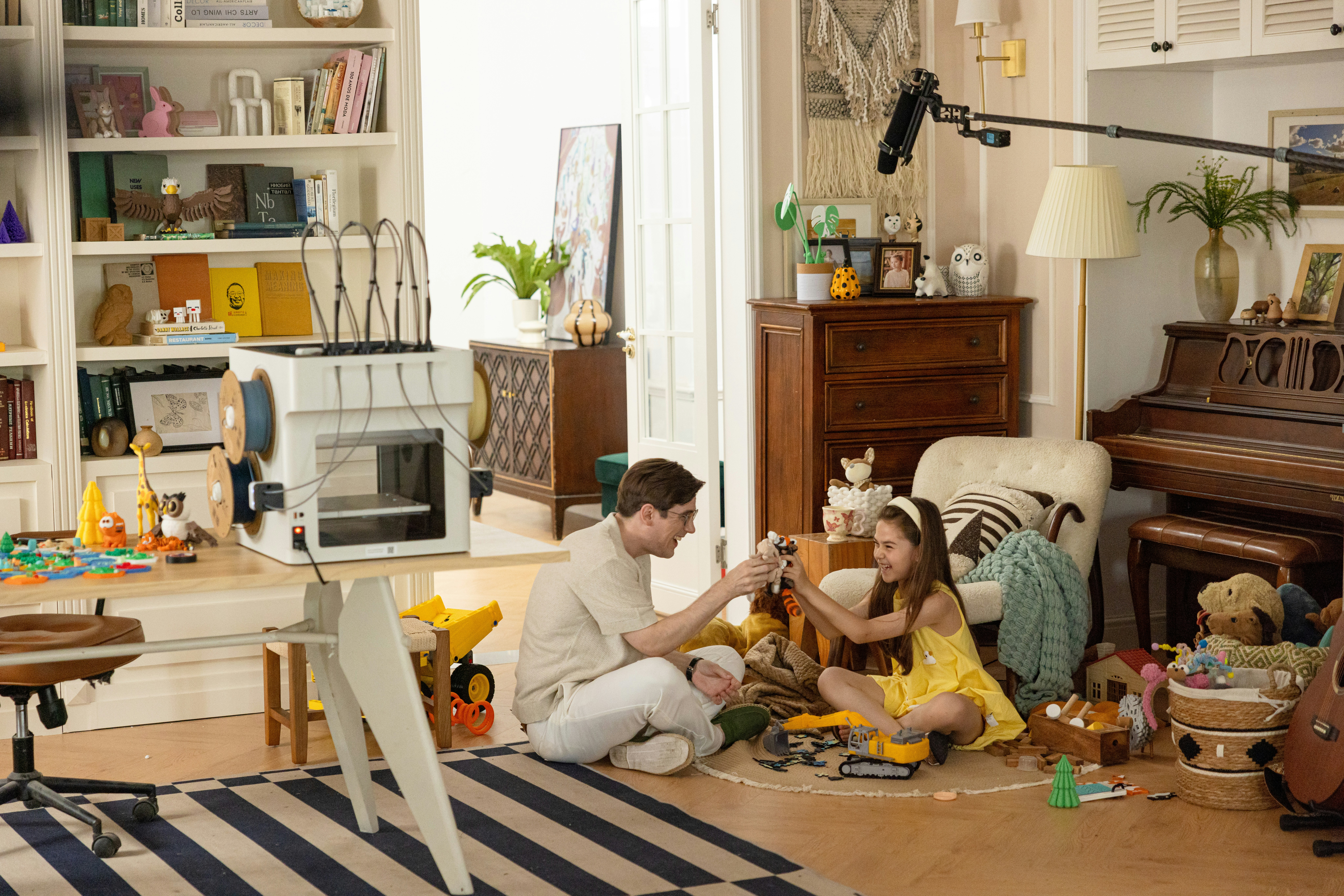
Comfort matters just as much, though people forget that. A dim lamp, a familiar blanket, the same bedtime routine every night. These small things build a sense of calm that sticks. I’ve seen kids sleep better in slightly cluttered rooms that feel lived in than in perfectly styled spaces that feel cold.
A friend once told me their entire property search changed after having a child. They worked with a buyers agent Perth and stopped caring about trendy interiors. Suddenly it was all about quiet streets and safe corners. Priorities shift. Fast.
Teenage Years: Less Control, More Awareness
Teenagers don’t need constant supervision. They need space to breathe. And yes, sometimes that means letting their room look like chaos.
I once tried enforcing a strict “clean room” rule. It lasted three days. Then I realised something. Mess isn’t always unsafe. What matters is whether they can move around freely, find what they need, and feel like the space is theirs.
Privacy becomes a big deal. Doors close more often. Headphones stay on. That’s not rejection. It’s growth. The trick is keeping shared areas welcoming without forcing interaction.
Noise can quietly ruin a home at this stage. Too much of it, and everyone feels on edge. Rugs, curtains, even wall art can soften things. It sounds minor. It isn’t.
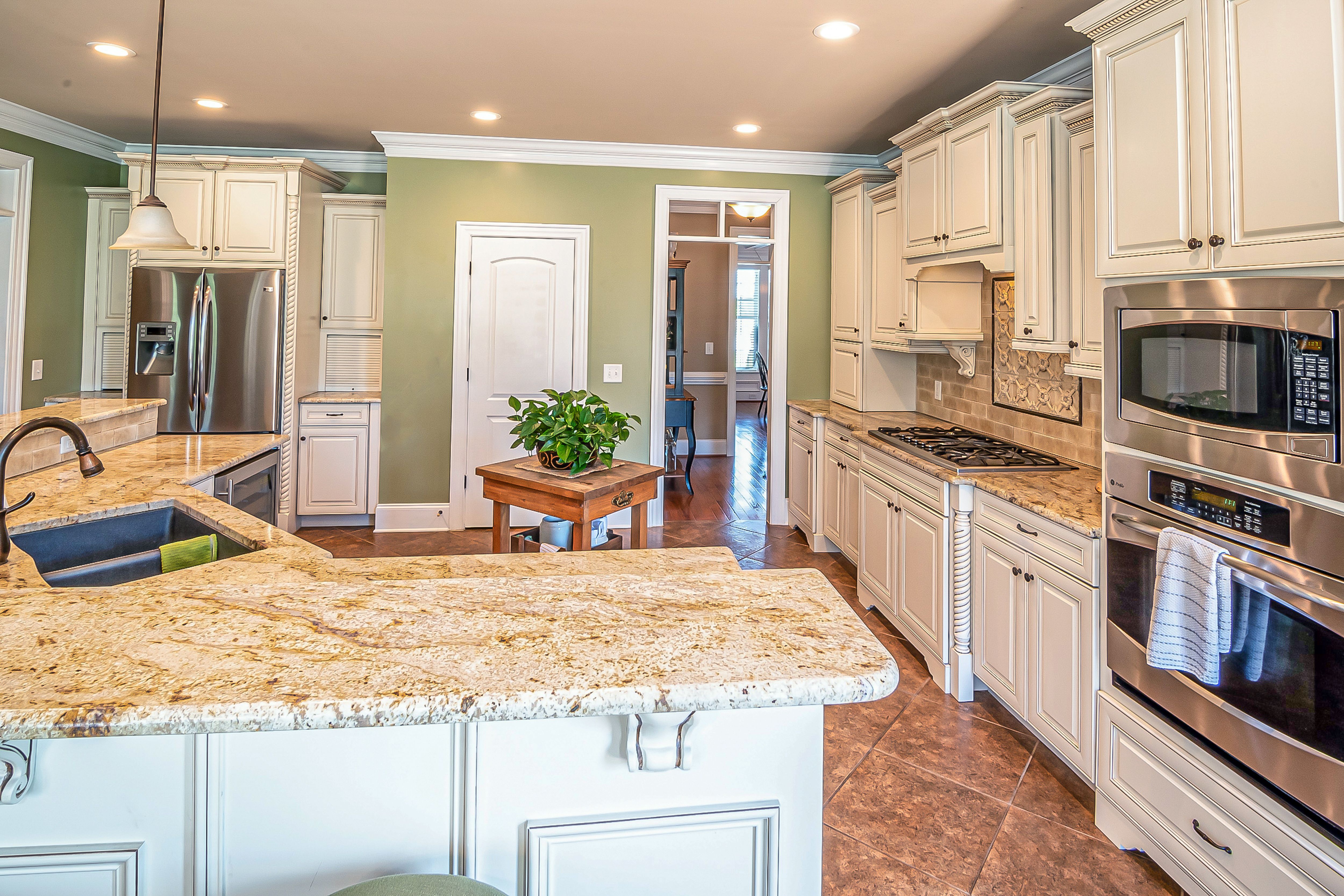
And here’s something people don’t talk about enough. Emotional safety. Teens need to feel they won’t be judged the second they open up. The layout of a home can even influence that. Sofas facing each other. A kitchen island where conversations happen naturally. Design matters more than we admit.
Adult Life: When Function Wins
Adulthood hits and suddenly your home has to multitask. Work, rest, social life. All in the same space. It’s a lot.
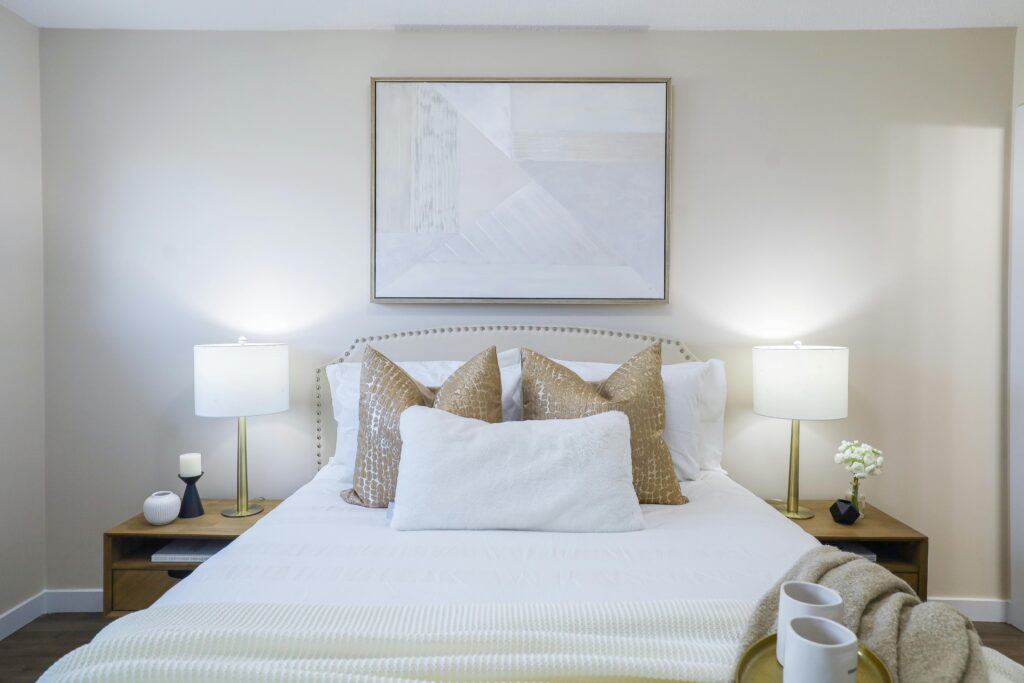
The last time I tried working from the dining table, I lasted a week. Maybe. After that, I carved out a proper workspace. Nothing fancy, just defined. It made a difference straight away.
Function beats style every time. You can have a beautiful home, but if it frustrates you daily, what’s the point? I always tell people to walk through their home and notice where they hesitate. That hesitation usually means something needs fixing.
Comfort changes too. It’s less about cushions and more about flow. Can you move easily from one task to another? Can you switch off when the day ends? If not, something’s off.
I’ve also noticed more people thinking ahead, even if they don’t say it out loud. A neighbour recently mentioned planning for support at home in the future. Not urgently. Just sensibly. It’s a quiet kind of preparation that actually makes a home feel more secure, not less.
And then there’s outdoor spaces. Even a small one helps. A balcony, a patch of grass, somewhere to step out and reset. It doesn’t need to be perfect. It just needs to exist.
Later Years: Simplicity Over Everything
I once saw a client struggle with a layout they’d loved for years. Stairs, narrow walkways, furniture placed for style rather than ease. It worked. Until it didn’t.
This stage is about reducing effort. Clear paths. Good lighting. Furniture that’s easy to use without thinking. You don’t want to wrestle with your own home.
Falls become a real concern, and they happen faster than people expect. Loose rugs, poor lighting, awkward corners. Small things, big consequences. Fix them early.
But don’t strip the personality out of the space. That’s the mistake people make. A safe home doesn’t have to feel clinical. Keep the photos. Keep the familiar pieces. Just make them easier to live with.
Technology can help, but only if it’s simple. If you need a manual, it’s already too complicated. I stand by that.
And above all, independence matters. More than anything. A home should support it quietly, without making a big show of it. That’s when you know you’ve got it right.