AD. Allotment growing in 2026 is shaped by sustainability, community knowledge sharing, and practical planning. Plot holders are focusing on soil health, companion planting, water conservation, and smarter crop choices. By learning from others and adapting to changing conditions, growers can build plots that remain productive and resilient throughout the year.
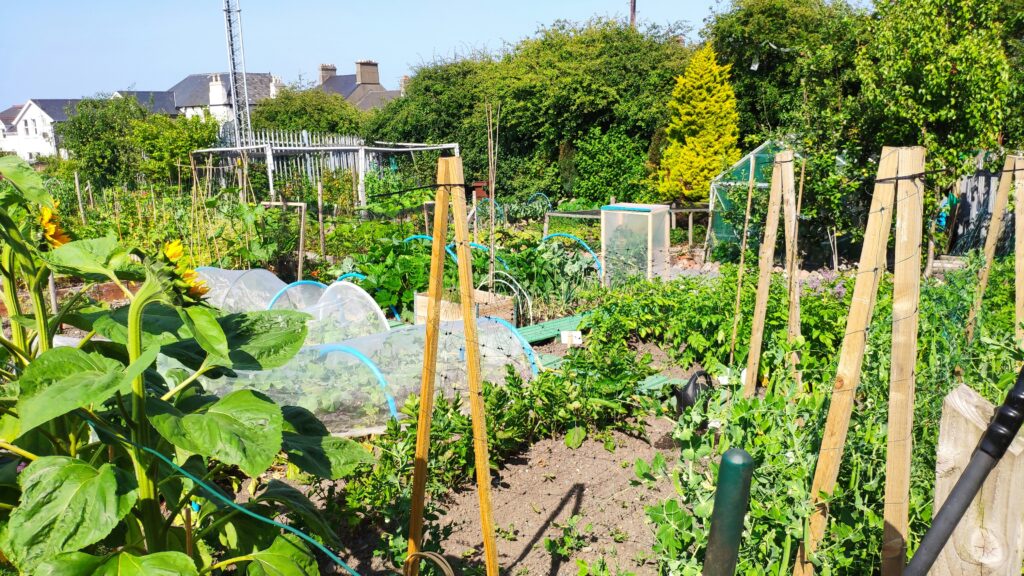
[Photo by David Hughes on Unsplash]
How Allotment Growing Is Evolving In 2026
Allotment growing continues to evolve, as more people seek sustainable ways to grow their own food and connect with like-minded growers. Across the UK, interest in community-based gardening spaces remains strong, with platforms such as Allotment Online often popular amongst plot holders who want to share progress, ask questions, and exchange practical advice.
More recently, allotment growing shows a shift in focus towards resilience, smarter planning, and greater awareness of environmental impact. While the basics of sowing, tending, and harvesting remain the same, the way people approach their plots is changing. Growers are becoming more thoughtful about soil care, crop selection, and water use, as long-term success now depends on small, consistent actions rather than quick results. Let’s explore the trends that every allotment grower needs to be aware of in 2026.
1. A Stronger Focus on Soil Health
Healthy soil has always been central to allotment success, but it is now receiving even more attention. Plot holders are increasingly prioritising composting, mulching, and adding organic matter to improve structure and fertility.
Rather than relying on short-term fixes, many are taking a slower approach that builds soil life over time. Composting at home is becoming more common, with growers using kitchen scraps and garden waste to create nutrient-rich material for their beds.
This reduces waste while improving productivity. The trend reflects a wider understanding that strong crops begin below ground and that investing in soil health supports better harvests year after year.
2. Smarter Crop Choices for Changing Weather
British weather patterns are known to be less predictable, and allotment growers are responding by choosing crops with greater resilience. Hardy varieties, heritage seeds, and disease-resistant plants are becoming more popular, especially among those who have experienced disrupted growing seasons.
Many plot holders are also experimenting with staggered sowing times to spread risk. By planting in stages rather than all at once, growers improve their chance of success if unexpected frost, heavy rain, or dry spells occur. This flexible approach helps maintain steady harvests and reduces disappointment.
3. Water Awareness and Conservation
Water use is another key trend shaping allotment growing in 2026. With periods of drought becoming more common in some regions, plot holders are looking for practical ways to conserve moisture.
Water butts, mulching, and careful spacing between plants all help reduce water loss. Some growers are redesigning beds to improve drainage during wet periods while retaining moisture across dry spells. Raised beds and well-planned pathways support better water management across the plot.
These small adjustments make allotments more adaptable to shifting conditions without requiring expensive solutions.
4. Companion Planting and Biodiversity
Interest in companion planting continues to grow, especially as more people seek natural ways to manage pests and improve crop yields. Planting compatible vegetables and flowers together can help deter unwanted insects and attract pollinators. This approach supports biodiversity while reducing reliance on chemical treatments.
Many plot holders are also dedicating space to pollinator-friendly flowers and native plants. Encouraging bees and other beneficial insects strengthens the wider ecosystem and improves fruit set on crops such as beans, courgettes, and soft fruit.
The focus on biodiversity highlights a growing awareness that allotments are part of a larger environmental picture.
5. Community Learning and Shared Knowledge
While plots have always brought people together, digital spaces now allow growers to share tips, seasonal advice, and honest experiences beyond their local site. This shared learning supports everyone.
Beginners gain confidence through practical guidance, while experienced growers discover new approaches and refine their skills. This leads to greater motivation and a stronger sense of progress for plot holders throughout the year.
In Summary
Allotment growing in 2026 reflects a balanced and thoughtful approach. From soil care and water awareness to resilient crops and shared learning, plot holders are focusing on steady improvement rather than quick results.
By adapting to changing conditions and supporting one another, growers can create productive spaces that nourish both people and the environment for years to come.


I love everything about this. Community gardens are such a great way for people to connect and enjoy fresher, healthier food. I love the tred of sustainiability and soil health to keep that going strong.
Community gardens are such a great way for people to connect and meet new, like-minded people. I know a couple of people with plots and allotments, and they say it's a great place to relax and talk to people!
Lucy | http://www.lucymary.co.uk
It must be so hard to have an allotment just because you can never guarantee what the weather is going to be like. But it must be so satisfying when you produce some crops x
I loved this, especially as I’m trying to grow more of our own food at home. It’s interesting seeing how things are changing and what other people are focusing on this year. I know a lot of people are moving towards making their own compost as well as water butts, etc. We've got loads of home-made compost to use this year!
Corinne x
I am an avid gardener and love this post! I am bookmarking it and pinning it also so that I can come back to this one as I am just getting started finally.... Spring is here!
I wish we had an allotment garden in our neighbourhood, that would be amazing. We had one before moving to a new apartment and that was so much fun.
We applied for a local allotment a few years back, but never got one! It's a dream of mine, but there just isn't enough greenspace.
This is amazing! I really wish we had something like this in our community too. It made me realize how much I still have to learn about gardening, and it would be great to find a supportive group.