AD. Looking after your family’s dental health can feel like yet another thing to stay on top of. Yet at its heart it’s about knowing that everyone, from toddlers to grandparents, is being cared for in a way that suits their stage of life. If you’re juggling school runs, work, and everything in between, the idea of multiple dental practices for different family members can feel overwhelming. Choosing a family dentist in Upminster brings everything together under one roof, offering care that grows and adapts with you over time.
When the same team supports your household year after year, something important happens. Familiarity builds. Conversations feel easier. Children grow up seeing the same friendly faces. Adults receive consistent advice as their needs change. Older family members benefit from continuity in planning and prevention. That sense of reassurance matters.
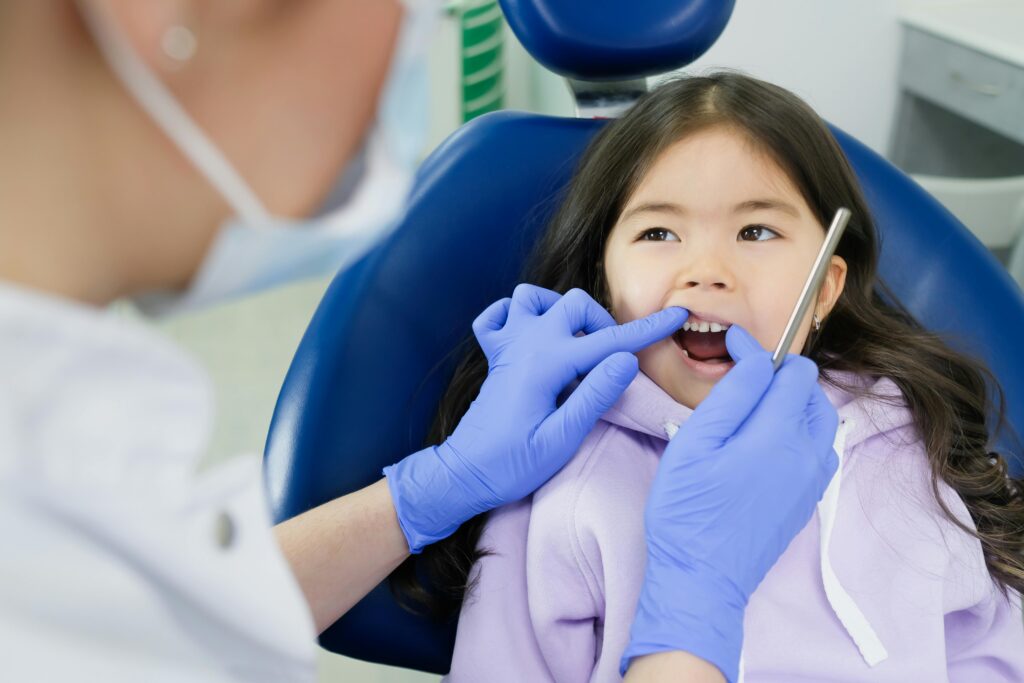
What Is A Family Dentist And How Do They Differ From General Dentists?
A family dentist provides care for patients of all ages. While many general dentists focus mainly on adult treatment, family dental practices are structured to support children, teenagers, adults and older patients alike.
If you are exploring a family dentist in Upminster, you may find that practices such as Church View Dental are experienced in adapting their approach depending on who is in the chair. Young children require gentle explanation and patience. Teenagers often need guidance around orthodontic development and oral hygiene habits. Adults may need restorative care or support with gum health. Older patients might require more tailored planning around tooth wear or replacement options.
The clinical skills are broad, but just as importantly, so is the communication style. A family dentist understands that every age group needs something slightly different.
The Scope Of Dental Services For All Ages
A family practice like Church View Dental usually offers preventative care, restorative treatments and cosmetic options in one location. Children may receive fluoride varnish applications or fissure sealants. Adults might require fillings, crowns or whitening treatments. Older patients may discuss dentures or implant assessments where appropriate.
Having a wide range of services available in one place often reduces the need for external referrals. Your dental records remain in one system. Your dentist understands your history. Care feels joined-up rather than fragmented.
Why Families In Upminster Benefit From A Multi-Generational Dentist
1. Building Long-Term Relationships With Your Dental Practice
Dental visits can feel daunting, particularly for children. Familiar surroundings and recognisable clinicians often help reduce anxiety. When your child sees the same team each time, appointments begin to feel routine rather than intimidating.
As an adult, being known by your dentist makes conversations more comfortable too. You are less likely to feel rushed or judged, and questions feel easier to ask. Small changes in your oral health may be identified earlier because your dentist understands your long-term history. This continuity supports thoughtful, preventative care across the whole family.
2. Continuity Of Care Across Different Life Stages
Dental needs change as you move through life. Early years focus on brushing technique and diet advice. Teenage years often bring orthodontic discussions. Adulthood may involve restorative work or cosmetic considerations. Later life may require more attention to gum health or tooth replacement options.
Seeing one practice throughout these transitions means you do not have to repeat your medical history at every stage. Your records stay in one place. Treatment planning builds gradually and logically over time.
3. Convenience for busy families
Practicality plays a part too. Coordinating appointments across several practices can be time-consuming, so a family dentist usually allows you to schedule visits on the same day where possible, making routine check-ups easier to maintain.
When appointments feel manageable, families are more likely to keep them. Consistency supports prevention.
Dental Care For Children: Starting Healthy Habits Early
When Should Children First Visit An Upminster Dental Practice?
The NHS recommends taking your child to the dentist when their first milk teeth appear, which is usually around six months of age. Early visits are not about complex treatment. They focus on helping your child become familiar with the environment and giving you guidance on teething, brushing and diet.
By the age of one, regular attendance is encouraged. These early experiences help shape your child’s attitude towards dental care in the future.
Common Children’s Dentistry Services In Upminster
Children attending NHS dental appointments may receive check-ups, fluoride varnish applications and fissure sealants where clinically appropriate. Dentists also monitor how teeth are erupting and how the bite is developing.
Fissure sealants help protect the grooves of permanent molars from decay. Fluoride varnish strengthens enamel. Both are preventative treatments offered in line with NHS guidance.
If tooth decay develops, it is managed promptly and sensitively.
Creating Positive Dental Experiences From A Young Age
A calm, welcoming approach makes a lasting difference. When procedures are explained in simple language and children are given time to feel comfortable, appointments tend to become easier over time.
Children often mirror what they see. If you attend the same practice and treat dental visits as routine, they are more likely to do the same.
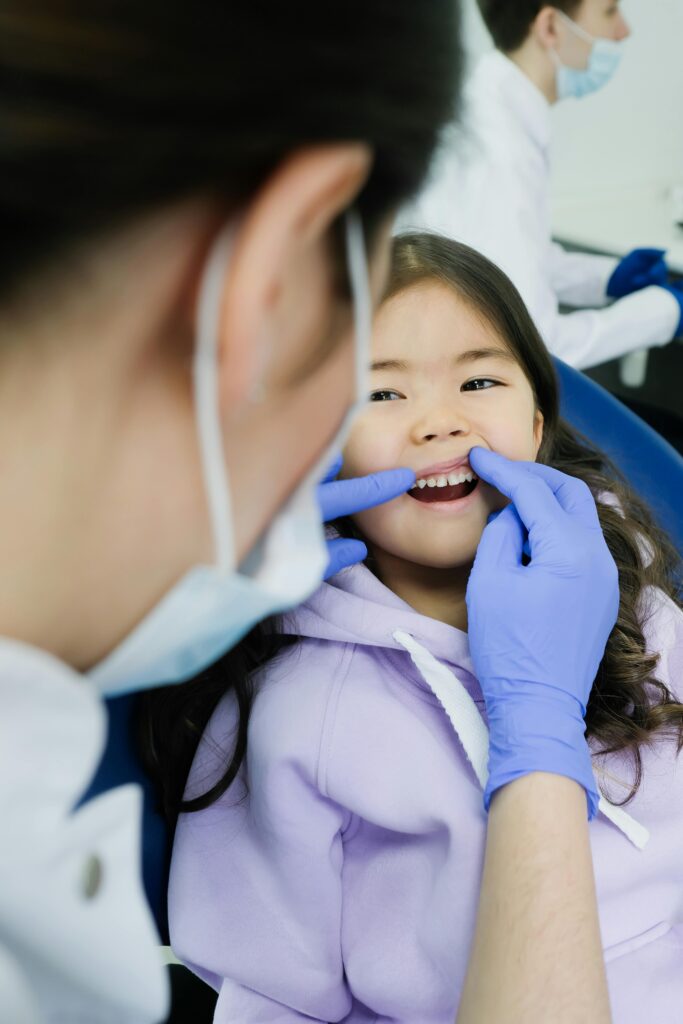
Adult Dental Treatment In Upminster: Maintaining Oral Health Through The Years
Routine Dental Check-Ups For Adults
The NHS advises that the frequency of dental check-ups should be based on your individual oral health needs. For many adults, this falls somewhere between six and twelve months, though it may vary.
During a check-up, your dentist examines your teeth, gums and soft tissues. X-rays are taken only when clinically necessary. Professional cleaning removes tartar and surface staining where appropriate.
Furthermore, regular attendance makes it more likely that small issues are identified earlier, often requiring less complex treatment.
Addressing Common Adult Dental Concerns
Adults commonly experience sensitivity, gum inflammation or wear caused by grinding. Treatment is tailored to your needs and may include desensitising approaches, periodontal care or a custom-made night guard.
Gum health becomes increasingly important with age. Periodontal disease is associated with systemic health considerations, and monitoring inflammation supports overall wellbeing. Your dentist will advise you based on your individual risk factors.
Cosmetic And Restorative Options For Adults
If you are considering whitening, veneers or implants, these discussions often take place during routine appointments. A family practice integrates these conversations naturally alongside preventative care.
Restorative treatments such as crowns or bridges focus on improving function and protecting remaining tooth structure. Any treatment plan is explained clearly, with time for you to consider your options.
If you're weighing similar options outside the UK, it's worth noting that these conversations look much the same wherever you are. A professional dentist in Chula Vista, CA, for instance, would walk you through comparable considerations around implant placement, longevity, and maintenance before recommending a treatment plan tailored to your bite and bone structure.
Preventative Dental Care: The Foundation Of Family Oral Health
Prevention underpins every stage of dental care. Regular check-ups allow early identification of decay, gum disease and other oral conditions. Smaller interventions are often less complex than delayed treatment.
Prevention also includes education, for example, your dental team will advise on brushing technique, interdental cleaning and diet in a way that suits your age and lifestyle.
In line with NHS guidance, discussions may also cover smoking cessation and alcohol moderation where relevant. These conversations are supportive rather than judgemental, focusing on long-term health.
Hygienists remove plaque and tartar from areas that are difficult to clean at home and provide tailored advice. Children learn through demonstration. Adults receive guidance relevant to their habits and routines, so each family member receives prevention strategies suited to their stage of life.
What To Look For When Choosing Dental Care For Families
When considering dental care for families in Upminster, you may wish to look at:
- Experience treating patients across all age groups
- A wide range of preventative and restorative services
- A calm, welcoming environment
- Clear communication and transparent fee information
Visiting the practice beforehand can help you decide whether it feels right for your household.
Is A Family Dentist In Upminster Right For Your Household?
Choosing a family dentist is often about more than clinical treatment. It is about finding a place where you feel listened to and supported.
A multi-generational approach offers familiarity, convenience and continuity. Your children grow up feeling comfortable. You receive consistent guidance as your needs change. Older relatives benefit from coordinated planning.
So if you’re considering family dental care in Upminster, taking the first step might simply involve an initial consultation or conversation. There is no pressure, only the opportunity to explore whether the practice feels like a good fit for you and your family.
Over time, that steady, supportive relationship can make looking after your family’s oral health feel less of an effort… and more like something that simply and seamlessly fits into family life.