AD. Hair routine humidity creeps up on. One day, everything is super fine and manageable, the next, and the strands decide to be mighty rebellious. Hair has a tendency to freak out with the arrival of high-temperature months earlier than your actual fashion wardrobe. The transformation of one's hair care for humid weather can seem a bit annoying at first, but the small changes one implements can have a noticeable positive impact.
Humidity is not something that is only about the condition of hair. It may influence the scalp condition, moisture levels, or even the state. However, understanding how hair reacts to moisture in the atmosphere is the first step that will let you give the hair the tools to adapt seasonally.

Understanding What Humidity Does to Hair
Hair has a tendency to absorb atmospheric moisture. Under humid conditions, the additional moisture in the hair causes it to expand resulting in frizz, flyaways, as well as poor definition. People who have curly or wavy hair often complain about this the most although straight hair finds it hard to hold its shape too.
In a similar fashion, humidity can make the hair even drier. Often, when the cuticle lifts in an attempt to conserve moisture, the hair loses hydration internally. These scenarios make for the dull appearance of the hair while simultaneously feeling inflated or harsh to touch. Balanced maintenance appears to be a matter of careful adjustment rather than combating humidity conditions.
Adjusting Cleansing and Conditioning Habits
Switching up the shampoo and conditioner one uses is beneficial, especially during humid months. Light formulas, designed to hydrate without adding weight to the air, usually get the best results. Too rich a product might make the hair feel heavy, and too clarifying might cause dryness.
Conditioner placement is about the way to go, too. Applying at the mid-lengths and on ends, away from the scalp reduces buildup and keeps hair light, soft, and manageable. It's also thought that with warm, moist hair, preferably clean to heavy, conditioning works mostly all the better.
Rethinking Styling Techniques
The relative humidity usually involves less complicated styling. Using heat styling tools and pulling hair can aggravate later adverse effects on the hair due to moisture in the air. Allowing hair to partially air-dry before styling can alleviate the strain to some extent.
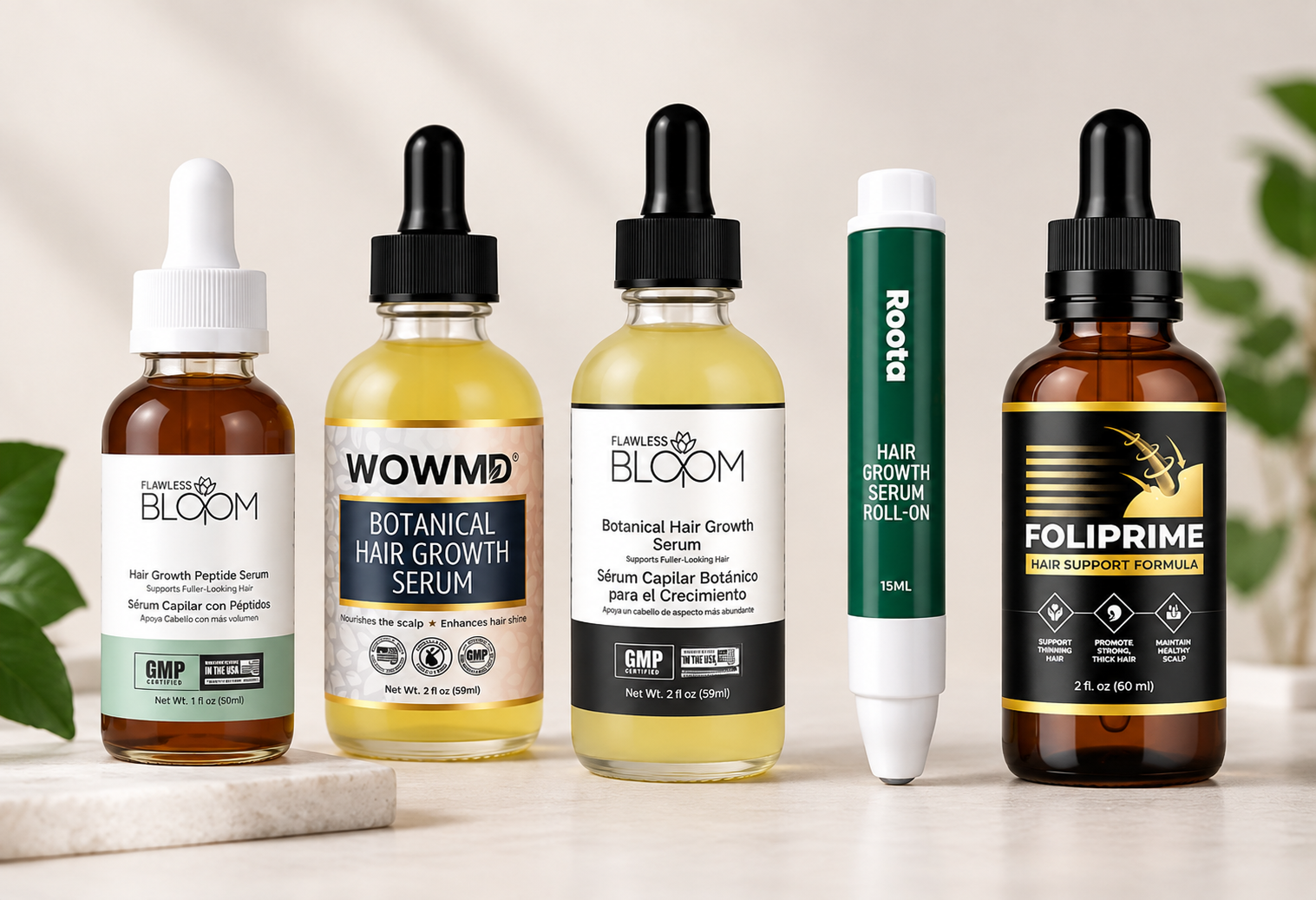
It is essential to consider the use of hair styling products when dealing with the elements. We find that creams or serums are a good option. The latter type provides control without stiffness and excess product concentration, but it in no way implies compromise. Rather, embracing the elements has its own stylistic appeal.
Managing Frizz Without Overcorrecting
Frizz is the main problem when humidity strikes the hairs. Though there is the greatest temptation to apply multiple products, over-application tends to cause product build-up or grease at the roots. Hair spray is a form of frizz treatment that can be used to control the hair’s strands and maintain the hair’s natural volume.
And also smaller dreams are helpful. For example, cotton-candy like soft hair can hardly ever be around in humid weather without any anti-frizz serums. You slightly enjoy it in a relatively natural state and get to look attractive with all the hair down.
Nighttime Habits That Make a Difference
A discussion over night will affect how hair behaves the following day. Cotton pillowcases will absorb moisture and create resilience, enabling the hair frizz to appear by morning. Using smoother fabric, therefore, will interfere with the process and allow retention of moisture, thus denying the emergence of tangles.
Hair styling that is more relaxed at night is also more effective in guarding against severe tension in the hair. Hair naturally carries itself without being pulled down and so actually acts quite obediently and harmoniously when even an ounce of humidity acts to tease it up a bit.
Seasonal Shifts and Style Inspiration
Humid months often inspire changes beyond products and routines. Many people naturally gravitate toward cuts and styles that work better with natural texture. Shorter layers, softer shapes, and low maintenance looks often align well with summer hair trends.
Rather than forcing hair into styles that fight the climate, adapting to seasonal conditions can feel freeing. Hair that moves naturally and feels comfortable tends to look healthier overall.
Finding What Works for Your Hair
Hair is not the same in each weather condition. Since the weather modifications demand adaptation by the hair too, what looks good one season might need a different treatment the next. By directly observing one's hair, as opposed to attempting to have it look just so, this transition will be traversed with ease. Just because it is humid must in no way mean "messy" hair. Hair can be dealt with by a few moderate changes to make life more bearable; it maintains its balance and readiness to anticipate the onslaught of weather however it may be.
My hair and humidity are not a good mix, unfortunately! These are fantastic tips for transitioning your haircare to the humid weather. I always opt for hair products that say (frizz-free)!
Lucy | http://www.lucymary.co.uk
My hair looks crazy in humid weather! These are great tips, especially since I'm moving more south, where humidity will be an issue for my hair!