ADPR. The human foot is a surprisingly complex body part, containing 26 bones, 100 ligaments and 19 separate muscles. It's because of this that foot problems are amongst the most common things that can cause us pain and discomfort. That's why protecting your foot health is incredibly important. It's important for everyone of course, but more so with the little people in our lives. Here we'll look into how to care for your child's foot health so you can give their little tootsies the best start in life.
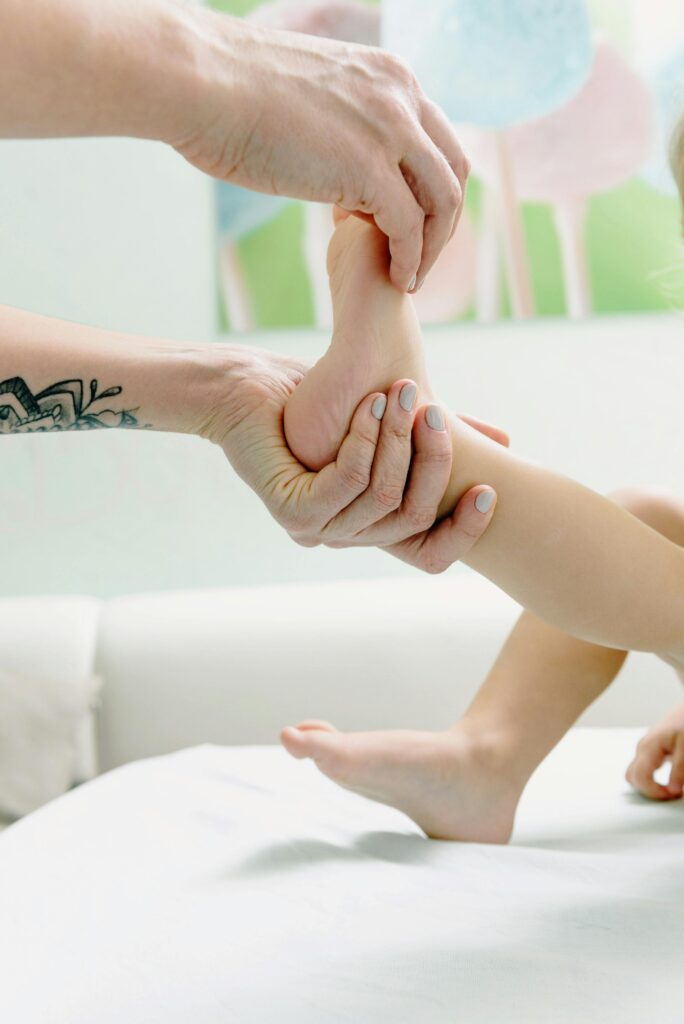
[Photo by Ksenia Chernaya]
Children's Foot Development
Before exploring the best ways to care for your children’s feet, it helps to understand just how much their feet change as they grow. Foot development doesn’t stop once they start walking, or even within the first few years. In fact, children’s feet continue to grow and mature right through to around age 18. That’s why supporting healthy foot habits throughout their entire childhood is really important.
It’s also worth remembering that every child is unique and develops at their own pace. This guide aims to give you a clearer picture of how your child’s feet evolve over time, along with advice on choosing the right footwear at each stage of their development.
Pre-Crawling
Babies' feet are very different from ours. They don’t have bones yet, just soft cartilage, and there is no visible arch. The cartilage is simply surrounded by a fleshy pad which can easily be moulded into the wrong shape if it's constricted.
You may have seen lots of cute baby shoes, but please don’t be tempted just yet. Barefoot is best at this stage.
Crawling
Hooray! Your baby is starting to crawl, shuffle and even pull themselves up to standing! Their feet however are still extremely delicate. The nerve endings in babies' feet have hardly developed at all, and given that your child may not be able to tell you that their feet are sore or squashed, it's advised to still keep them barefoot as much as possible.
First Steps
When toddlers are walking indoors and outdoors for longer periods of time, their feet need that little bit more support and protection. They are now ready for their first walking shoes. It’s an exciting time for all parents, but make sure that when you’re looking for shoes you combine quality, style and fit. Never ever compromise on the fit of your child’s shoe. A toddler's feet are not fully developed yet, not even close, so please don’t kit them out in unsupportive shoes. They may not notice or feel pain caused by ill-fitting shoes, and may not be able to communicate even if they do. Please bear this in mind when making your selection.
Pre-School
At this stage your child is much more confident walking independently. They're spending a lot of time on their feet, so it’s crucial to provide footwear that supports and protects their foot health. They'll be growing up fast and getting out and about more now. But the bones in their feet are still forming, so correctly fitted footwear is still really important.
You may need (and want!) shoes for different occasions, but remember to get these correctly fitted too. Their feet are growing quickly, so don't simply buy the same size as the last pair. It's always best to double check!
Caring For Your Child's Foot Health
Caring for your children's feet might not seem like a big deal. But healthy, happy feet play a crucial role in how kids move, play and explore the world around them.
Monitoring Their Shoe Size
One of the most important things you can do for your child's foot health is to have them regularly measured. Kids' feet grow so quickly! It's important to check their shoe size every three to four months. Perhaps even more regularly if you’re concerned about anything. My eldest daughter’s feet grew at rapid speed (my youngest not so quickly). I felt like we were getting measured every couple of months! It might seem excessive, but it’s really important for your child’s foot health.
Shoes that are too tight can restrict your child’s feet's natural growth. While shoes that are too big can cause rubbing and blisters. Whether you’re shopping for boys trainers or girls trainers, look for styles with flexible soles, breathable materials, and enough room for wiggling toes. A supportive, well fitting shoe will help your child stay comfortable and confident as they run, jump, and play.
Daily Habits
It’s beneficial to encourage your child to clean their feet properly. This means washing and drying in between the toes to prevent any irritation. If they enjoy running barefoot indoors or on safe outdoor surfaces, let them. Barefoot time can help strengthen the muscles and arches in their feet. Just be mindful of rough terrain or surfaces that could cause injury.
Regular Check-Ins
Be sure to take a moment every month or so, to look over your child’s feet. Try and make it a habit after showers or bath time. Red marks, blisters, or even changes in the way they walk can all be early signs that something isn’t quite right. Kids don’t always speak up about discomfort. Either through confidence, or just not knowing how to. A quick visual check can help catch any problems early. If you notice any unusual changes, or your child having persistent pain, it’s wise to speak to a healthcare professional. Nipping any changes in the bud early is crucial for your child’s foot health.
Activity Level
Children are naturally energetic. I don’t know about yours, but mine seem to constantly have ants in their pants! This level of movement however, actually really helps your child's foot health as it builds strength and coordination. You can easily support this by giving them opportunities to climb, balance, skip, and stretch. These are activities that naturally develop strong, healthy feet. They’re also pretty fun for your kids too!
To Conclude
Again, remember that every child grows at their own pace. Some kids develop arches earlier and others require a little more time. What matters most is providing supportive footwear, encouraging healthy habits, and keeping an eye on any concerns.
By nurturing your child’s foot health from an early age, you’re helping them build a strong foundation for all the adventures ahead. And there will be many adventures, that’s for sure!


My son is going through a huge growth spurt at the moment. I regularly get his feet measured to make sure he's wearing the correct size shoes.
Such a great post, your childs feet are so important and it is always good to be on top of checking their feet growth and their shoes regularly
What a fantastic resource! I have to be honest, outside of making sure their shoes were the right size, I never thought of most of these whe my kids were little!
Oh, wow. This was a very interesting read. I had no idea a baby's feet were more cartilage than bone! That is so crazy.
That is another thing that I had no clue about wow!!! Thank you so so much for all the knowledge you're sharing, love it. I just forwarded the post to my sister, she just delivered her first child...
My little one is still pre-crawling but I had no idea that there were no real bones in their feet at the moment, wild. I can't wait to take her for her first pair of shoes when she starts walking x
This is such an interesting as well as helpful guide! I like how clearly you explain the stages development. Regular checks are important. It is a great reminder to stay mindful of our little ones’ growing feet and choose shoes that truly keep them comfortable. I need to check and see if I need new shoes for my little man.
This is such a well written breakdown of supporting your children's feet! Thank you for sharing your insights.