AD. School runs, packed diaries, endless to-do lists - when family life is in full swing, it’s no wonder the simple habits that protect our teeth sometimes get left behind. The problem isn’t usually knowledge, but consistency: finding ways to weave oral health into the beautiful blur of everyday life. Modern families need straightforward, realistic strategies that work for every age and every routine.
Working with a trusted family dental team - such as Purley dentist Foxley Lane Dental - provides the professional foundation, while understanding advanced treatments like orthodontics or restorative dentistry ensures families stay informed about available options as children grow. So whether you’re exploring specific options like composite bonding in Croydon, or simply looking for ways to make daily dental routines easier for the whole family, read on for practical tips to support your family’s smiles.
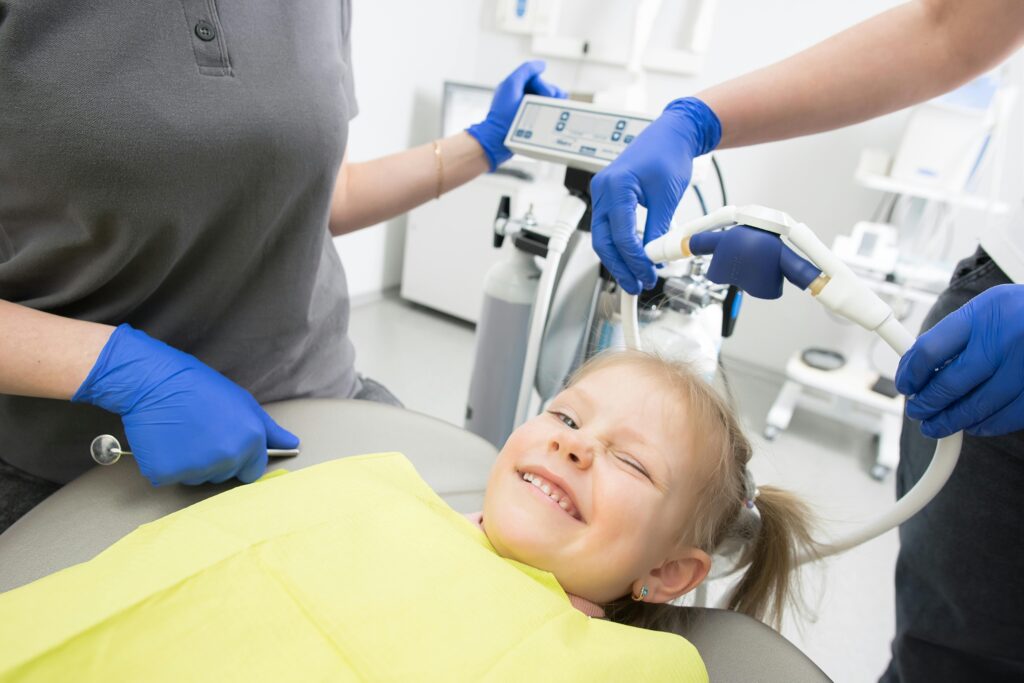
[Photo by MM Dental]
Why Families Need Specialised Dental Care
Research consistently shows that children who develop strong oral health habits early go on to maintain better dental outcomes throughout their lives, but many busy families understandably find consistency a challenge. There’s been big improvements in dental care accessibility in recent years, with many practices now offering evening and weekend appointments, making it easier for working parents and busy families to stay on top of check-ups.
Advanced treatments and specialist services - that once meant travelling into central London, or the nearest large town - are now available much closer to home, so families can access comprehensive dental care locally, without long journeys.
Essential Daily Dental Habits for Families
Establishing routines that work for the whole household isn’t always straightforward. It’s not simply about having the right toothbrush or toothpaste - it’s about finding ways to make oral care part of everyday life, even when schedules are busy and everyone’s needs are different. For some families that might mean building brushing into the school run routine, for others it could be using music or apps to make sure children brush for the right amount of time. What matters most is finding an approach that feels natural, fits with your family’s unique lifestyle, and encourages consistency without added stress.
Morning and Evening Routines that Work
Brushing twice a day is one of the most important habits any family can build, but making it stick isn’t always straightforward. The morning rush before school and work, or the evening juggle of homework, dinner and bedtime, can easily push dental care down the list. The key is to weave it into your family’s existing routine so it feels natural rather than like an extra task.
Many parents find that starting the day with a two-minute brushing session works best if it’s linked to something children already do automatically - like getting dressed or putting on shoes. Tools such as visual timers, apps, or even a favourite song can help children brush for the full recommended time without constant reminders.
Evenings are just as important, and can be a good moment to add flossing for older children who are able to manage it safely. For younger ones, brushing together as a family can make the process easier and more enjoyable. When children see their parents brushing too, it teaches the correct technique through repeated observation, reinforces the message that this is something everyone does - and often helps to avoid bedtime battles.
Age-Appropriate Dental Care Strategies
Each stage of childhood brings its own dental needs. Little ones should use an age-appropriate toothpaste that contains the right amount of fluoride for their stage of development. A smear for under-3s and a pea-sized amount from age 3 onwards is usually recommended.
Parents should keep an eye on brushing until at least age 7 to make sure children are spitting out toothpaste rather than swallowing it, and reaching every surface of their teeth. As they get older, children can move on to standard family toothpaste, and often find electric toothbrushes helpful - though they may still need a gentle nudge to stay consistent with their routine.
According to this professional cosmetic dentist in Ballwin MO, beyond daily brushing, introducing flossing once teeth begin to touch is a vital step in preventing cavities between the teeth. Establishing these habits early, combined with regular dental check-ups, ensures that children transition into their teenage years with a strong foundation of oral health and a positive attitude toward professional dental care.
Making Dental Hygiene Fun for Children
Dental care doesn’t need to be boring. Finding ways to make brushing something children look forward to - whether that’s using a reward chart, playing music, doing it in the bath whilst you blow bubbles, or turning it into a short story or game - often helps routines stick. The method matters less than the consistency. If your child sees brushing as a positive part of the day, they’re much more likely to keep it up as they grow older.
Preventive Dentistry: The Foundation of Family Oral Health
Professional preventive care forms the backbone of any successful family dental health strategy. Regular check-ups catch problems early, when treatments are simpler and less expensive. Preventive care helps spot problems before they become serious, saving families time, money and stress - and importantly, helping children grow up comfortable in a dental environment.
Regular Check-Ups and Cleanings
Most families benefit from check-ups every six months, though some children may need to be seen more often depending on their risk of decay or gum issues. These visits aren’t just for treatment - they’re a chance to ask questions, get advice tailored to your child’s needs, and make sure teeth are developing as they should.
Early Detection and Intervention Strategies
Modern dental technology also means potential problems can be identified earlier than ever. For example, digital X-rays can show what’s happening between teeth, giving dentists the chance to act before issues become painful or costly to treat.
Nutrition and Lifestyle Factors for Optimal Dental Health
Diet plays just as big a role as brushing and flossing when it comes to family oral health. Small, everyday choices at mealtimes can make a big difference.
Foods that Promote Strong Teeth and Gums
Calcium-rich foods like cheese, yoghurt and leafy greens strengthen enamel, while crunchy fruits and vegetables help to naturally clean teeth and provide vital vitamins. Foods rich in omega-3, such as certain types of fish, also support gum health.
Alongside a balanced diet and consistent oral hygiene habits, probiotic-based supplements such as Prodentim Oral Probiotics may also be included as part of a well-rounded dental care routine to support the mouth’s natural bacterial balance.
Treats in Moderation
Sweets, chocolate and sugary snacks can all play a part in family life - the key is keeping them as occasional treats, ideally eaten with meals rather than in between. This helps limit how often teeth are exposed to sugar.
Watch out for Hidden Sugars
Some foods that seem healthy, like dried fruit or fruit juice, can be surprisingly hard on teeth. Dried fruit is sticky and clings to enamel, while juice and smoothies are acidic and full of natural sugars. NHS guidance recommends keeping juice or smoothies to mealtimes, no more than 150ml a day, and offering water or milk as everyday drinks.
Creating a Family Dental Emergency Plan
Let’s face it - dental emergencies rarely happen at convenient times! Having a plan reduces stress and improves outcomes when accidents occur. The good news is that most dental emergencies in children can be treated quickly and effectively, especially if you contact your dentist straight away.
Recognising Dental Emergencies in Children
Accidents happen - especially with children. Knocked-out teeth, severe toothache or significant oral bleeding always need urgent attention. Less serious problems, like minor chips or lost fillings, may not require an immediate trip but should still be checked as soon as possible. Knowing what counts as an emergency - and having your dentist’s number close to hand - means you’ll be ready for whatever comes your way.
Why Families Should Prioritise Professional Dental Care
Investing in your family's oral health pays dividends that extend far beyond healthy teeth. Children who grow up with positive dental experiences are more likely to maintain good oral health as adults. They're also less likely to experience the anxiety that keeps many adults from seeking necessary dental care.
Professional guidance from a warm, friendly dental expert helps families navigate the complex world of dental products and conflicting advice. Your dental team becomes a partner in your family's overall health, providing personalised recommendations based on your specific needs, goals and circumstances.
The habits you build today will set the foundation for your family’s oral health for years to come. It doesn't need to happen all at once - start with small, achievable steps and build from there - what matters most is consistency. With the right support and routines in place, you’ll be giving yourself and your children the best chance of growing up with healthy, confident smiles that last a lifetime.



We are so lucky to have an amazing practice on our doorstep - it's the one I used as a kid!
Rosie