AD. In 2025, self-care isn’t just a Sunday-night ritual with candles and a face mask. It’s a lifestyle. From the food we eat to the way we dress, and yes, even the way we style our hair, looking after ourselves has become as much about how we feel as it is about how we look. And in this new era of personal wellness, hair has taken centre stage as one of the most visible, personal forms of self-expression.
Whether you wear yours in a cropped fade, a beachy wave, or a sleek bob, your hair tells a story. For some, it’s a statement of individuality; for others, it’s about maintaining a sense of identity through the years. And when hair changes (through thinning, loss, or just the desire for something new) it can trigger a bigger lifestyle shift than you might expect.
[Photo by Oscar Steiner]
How Men and Women Are Redefining Hair in 2025
Hair as a Style Statement
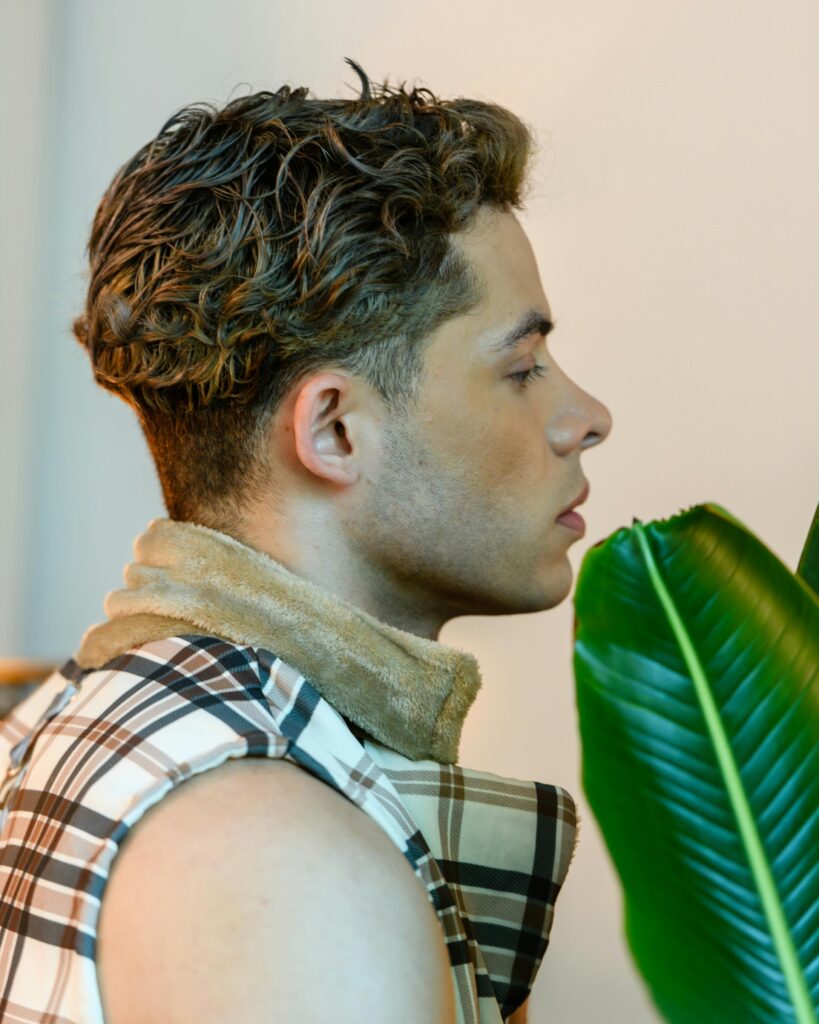
Hair trends in 2025 are a mix of bold creativity and natural ease. Modern men are embracing textured, lived-in cuts that work with their natural hair patterns, while women are experimenting with layered shags, curtain fringes, and rich, multi-tonal colours. According to the lead surgeon at Bristol Hair Transplant Clinic, the rise of low-maintenance styles paired with high-quality care products means your hair can look polished without needing a 45 minute styling session each morning.
Social media continues to shape hair culture, but in a more inclusive way than before. TikTok and Instagram are flooded with creators showing how they work with their hair’s natural movement, colour, and density, not just airbrushed perfection. The message? Hair is an accessory, a mood, and sometimes, a quiet act of self-empowerment.
When Hair Becomes a Confidence Hurdle
Of course, not all hair stories are about chasing trends. For many, the conversation is about keeping the hair they already have. The reality is that around 40% of women and 65% of men in the UK will experience some degree of hair thinning or loss in their lifetime, and it can happen at any age.
For some, it’s a slow change they learn to adapt to. They switch to shorter styles, add texture to create the illusion of volume, or lean into hats and scarves as part of their wardrobe. For others, the change feels like a bigger knock, something that impacts how they feel walking into a meeting, on a date, or even just looking in the mirror.
This is where many people start to explore solutions. Not necessarily to “go back” to the hair they once had, but to feel more like themselves again.
Solutions People Are Exploring
In the past, hair loss solutions often came with stigma, unrealistic promises, or one-size-fits-all products. In 2025, the conversation has shifted. People now have a broad menu of options to suit their needs, budget, and comfort levels.
Non-Surgical Options:
- Hairstyling Adjustments – Clever cuts that work with thinning areas, like adding layers or opting for certain fades, can make hair look fuller.
- Products & Treatments – Volumising powders, thickening shampoos, and topical treatments like Minoxidil are widely used to slow shedding and improve texture.
- Supplements – Collagen, biotin, and other hair-focused vitamins have grown in popularity, though results vary.
Surgical Options:
For those looking for a longer-term solution, hair transplants have evolved dramatically. Techniques like FUE (Follicular Unit Extraction), DHI (Direct Hair Implantation), and FUT (Follicular Unit Transplantation) allow skilled surgeons to move healthy hair follicles from one part of the scalp to thinning areas, creating a natural, permanent look.
These aren’t just clinical procedures anymore; many people see them as part of a bigger style and confidence journey. Patients often plan them around work, social events, or even other self-care milestones like fitness goals or personal transformations. Many UK-based patients do consider the advantage of having it done in their home country and go ahead with the FUE method as well.
This is a trend in the UK noted to be fast-growing and seen across the country. From searching for a Bristol-based hair transplant clinic to looking for clinics in the far North, this is a growing trend, though little will continue to grow.
The Lifestyle Side of Hair Restoration
What’s striking is how hair restoration fits seamlessly into the modern self-care mindset. It’s not about vanity, it’s about alignment. People want their reflection to match how they feel inside, whether that means smoothing fine lines with skincare, upgrading their wardrobe, or restoring their hairline.
Planning a hair transplant today is a far cry from the hush-hush secrecy of the past. Some people book their surgery alongside annual leave, turning recovery into a chance to slow down and reset. Others pair it with a broader style refresh such as updating their glasses, rethinking facial hair, or investing in professional grooming products.
The emotional lift is often just as significant as the physical change. Patients frequently describe a boost in confidence that spills into other areas of life: speaking up more at work, joining social events they’d previously avoided, or simply feeling lighter when they step outside.
Beyond the Procedure: Ongoing Care
Restoring hair whether through surgery or non-surgical methods, is just the first chapter. The next is maintaining it.
Post-procedure, many people develop a more consistent approach to hair care, which can include:
- Regular Trims: Keeping hair healthy and styled.
- Professional Treatments: Conditioning masks, scalp health treatments, and colour services.
- Daily Maintenance: Gentle washing routines, sun protection for the scalp, and avoiding excessive heat styling.
Interestingly, people who go through the process of restoring their hair often become more invested in their overall wellness. They start eating better, exercising more, and sticking to routines — not because they have to, but because they feel more motivated to look after themselves.
Confidence as the End Goal
At its heart, the conversation about hair in 2025 is less about what’s “in” and more about what feels right for you. For some, that’s embracing a shaved head or natural greys; for others, it’s investing in treatments and transplants.
What’s changed is the openness around these choices. We talk more about the link between appearance and mental well-being, and we respect that for many people, making a change on the outside can be the catalyst for positive change on the inside.
Hair, in all its forms, is deeply personal. It’s a part of your style, your history, and your identity, but it doesn’t have to define your worth. If taking steps to restore or enhance it helps you feel more comfortable and confident, then it’s not just a cosmetic decision. It’s a lifestyle one.
Final Thoughts
In the evolving world of self-care, our hair isn’t just something that grows — it’s something that tells the world who we are and how we see ourselves. And in 2025, the tools to shape that story have never been more varied, accessible, and empowering.