Buying a new car is a big decision, and the choices can feel endless, especially with the rise of electric vehicles. The shift from petrol to electric has become more than just a trend. 1 in 5 new cars sold in May 2025 were electric! It’s a movement driven by rising fuel prices and growing concerns about the environment. But with both petrol and electric cars offering distinct advantages, how do you choose the right one for you? Understanding how each option aligns with your driving habits, budget, and long-term goals can help you make an informed decision.
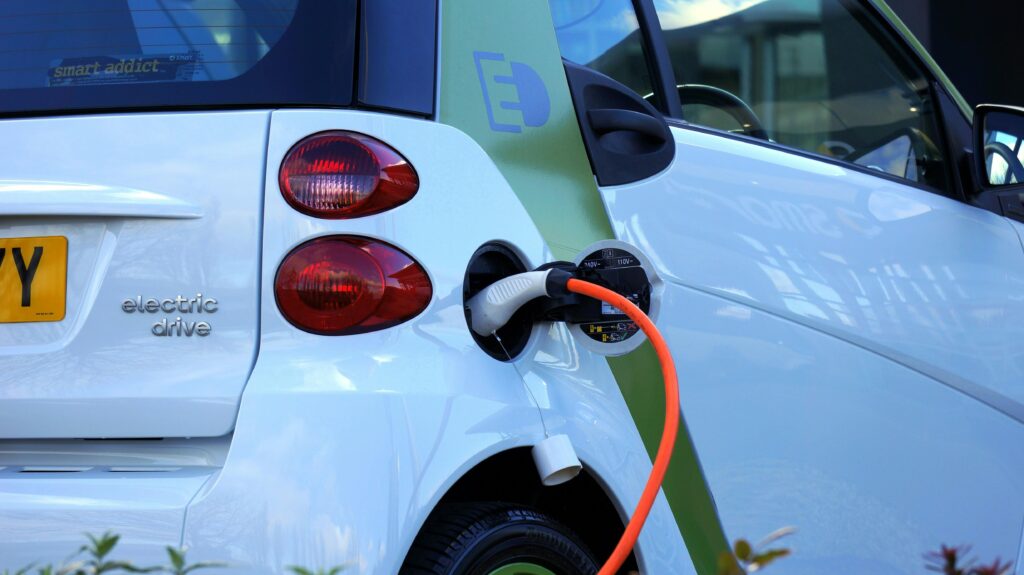
[Photo by Mike Bird]
Why Now is a Good Time to Consider an Electric Vehicle (EV)
With many governments offering financial incentives like tax rebates, switching to electric is becoming more affordable. As battery technology improves, EVs are becoming cheaper to produce, and the rising cost of fuel only makes electric cars more appealing. Charging an EV is also far cheaper than refuelling a petrol car, especially as more charging stations become available.
Running and Servicing Costs
Electric cars are generally cheaper to run and maintain. Charging at home is far more cost-effective than filling up with fuel, and because EVs have fewer moving parts, maintenance is usually less frequent and less expensive. You won’t need to worry about oil changes or exhaust repairs. However, the initial cost of an EV can be higher, but you will make savings on running costs over time.
Resale, Reliability, and Lifespan
While petrol cars have historically been seen as more reliable and better for resale, electric vehicles are starting to hold their value better. The market for used cars is expanding, and EVs are becoming more popular in the second-hand market. That said, the battery in an electric car can degrade over time, which may affect its resale value. Fuel cars are still a safer bet in terms of longevity and overall resale value, but EVs are catching up.
Infrastructure, Incentives, and Practical Considerations
If you don’t have access to home charging or live in an area with few public charging stations, this could be a limitation. However, government incentives for home chargers and road tax exemptions can offset some of the drawbacks. Consider your driving patterns - if you mainly drive short distances, an EV could easily meet your needs, whereas a petrol car offers more flexibility for longer trips.
Finding the Right Fit for You
Ultimately, the choice between a petrol or electric vehicle comes down to what works best for your unique situation. While electric cars offer exciting long-term savings and environmental benefits, petrol vehicles still have a great range and the convenience of refuelling. Consider your daily driving habits, access to charging infrastructure, and the incentives available to you. Both options have their merits, so take the time to weigh these factors and choose the car that will best support your needs, now and in the future.