AD. Power cuts never give you a heads-up. They just happen — and when they do, you need something you can count on. Whether you’re running a business that can’t afford to go offline, living somewhere miles from the grid, or managing a busy construction site, a diesel generator can save the day.
These machines are built for long-term use. They’re known for being strong, dependable and well-suited to jobs where you can’t afford downtime. Over the years, diesel generators have come a long way. The new models are cleaner, quieter and much more fuel-efficient, making them suitable not just for farms and factories, but for hospitals, data centres, even large homes that need solid backup.
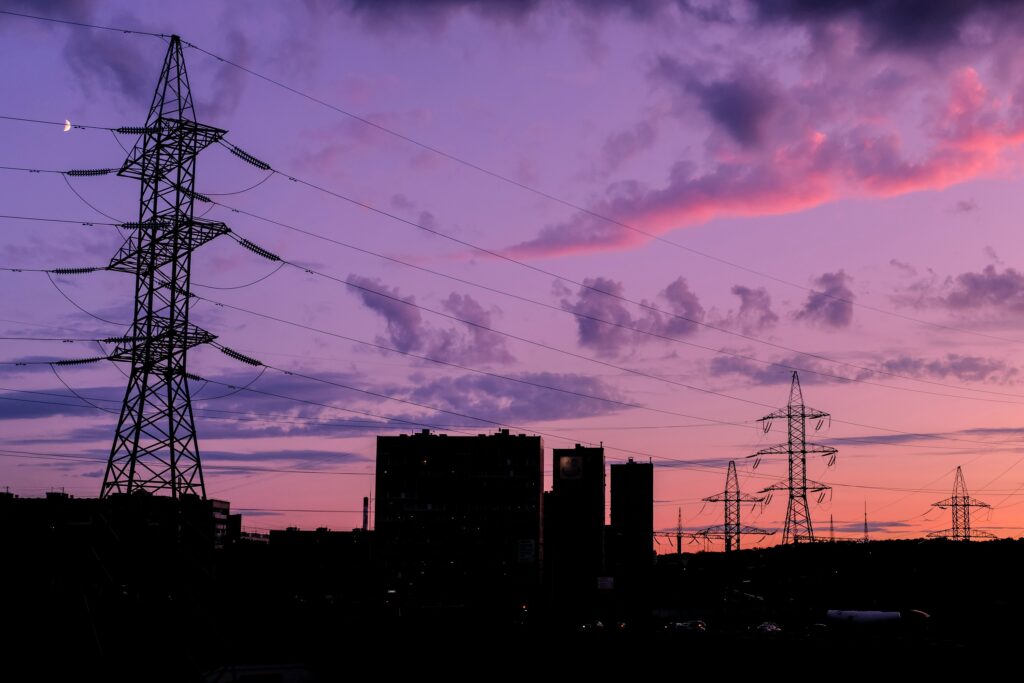
[Photo by Aleksandr Popov on Unsplash]
Why Reliable Backup Power Matters More Than Ever
Recent years have shown how vulnerable the UK power grid can be during storms, infrastructure failures and periods of high energy demand. Even short power outages can disrupt businesses, damage equipment, interrupt internet access and create serious safety risks in healthcare or agricultural environments.
For businesses, downtime can quickly become expensive. Lost productivity, damaged stock, interrupted payment systems and halted operations can all have a financial impact. For homeowners in remote areas, losing electricity can affect heating, refrigeration, security systems and water pumps.
This is why more organisations and property owners are investing in dependable backup power systems that can operate automatically when mains electricity fails. Diesel generators remain one of the most trusted solutions because of their durability, efficiency and ability to provide stable long-term power.
What Is a Diesel Generator?
At its core, a diesel generator’s job is simple — turn diesel fuel into electricity. It does this using two key parts: a diesel engine, and an alternator (which generates the electric current). The engine powers the alternator, and you get usable electricity out the other end.
They’re often used in places where mains power either isn’t available, isn’t reliable, or just isn’t enough. Some people use them as a backup for emergencies, while others rely on them as their main power source, especially in off-grid setups.
Why Choose Diesel?
Here’s why diesel generators are still such a popular choice:
1. Fuel Efficiency
Diesel engines tend to be more fuel-efficient than petrol ones — especially when running for longer periods or handling higher loads. That can save a lot over time.
2. Built to Last
These things are tough. As long as they’re looked after properly, diesel generators can run for thousands of hours without giving you grief.
3. High Power Output
Need to run big equipment or power a whole building? Diesel generators can handle that. They’re built to support large loads, which makes them ideal for demanding jobs.
4. Safer to Store
Diesel is far less flammable than petrol. So if you're working in hot, dusty or fire-prone environments, diesel’s the safer option.
5. Less Maintenance
No spark plugs or carburettors to mess around with. Fewer moving parts means fewer things to go wrong, which is always a bonus.
Diesel vs Petrol Generators: Which Is Better?
While petrol generators are often cheaper upfront, diesel generators are usually the better option for long-term or heavy-duty use. Diesel engines are more fuel-efficient, tend to last longer and cope better with continuous operation under load.
Petrol generators are typically suited to lighter domestic tasks or occasional use, whereas diesel generators are preferred for industrial sites, commercial premises and critical backup systems.
In many cases, businesses choose diesel because lower fuel consumption and reduced maintenance costs can save money over the lifespan of the equipment.
| Feature | Diesel Generator | Petrol Generator |
|---|---|---|
| Fuel Efficiency | Higher | Lower |
| Lifespan | Longer | Shorter |
| Maintenance | Lower | Higher |
| Noise | Moderate | Moderate |
| Best Use | Industrial/Backup | Light Domestic |
| Runtime | Excellent | Limited |
Where Are Diesel Generators Used?
Diesel generators are found all over the place. You’ll see them on building sites, behind the scenes at big events, and in some of the most remote spots in the country. Here’s where they’re often used:
- Construction sites – Running tools, lights, site cabins and more
- Hospitals and care homes – For backup when lives depend on it
- Data centres – Keeping servers and systems running 24/7
- Farms and rural homes – Where mains supply is unreliable or non-existent
- Outdoor events – For stages, food trucks, lighting and AV gear
- Factories and warehouses – As part of a wider business continuity plan
Industries That Depend on Diesel Generators
Many industries rely on diesel-powered backup systems to maintain operations during unexpected outages. In sectors where downtime can result in financial losses, safety risks or operational disruption, having a reliable generator is essential.
Industries that commonly depend on diesel generators include:
- Telecommunications and mobile networks
- Manufacturing and engineering plants
- Food production facilities
- Emergency response services
- Logistics and transport hubs
- Retail distribution centres
- Mining and quarry operations
- Agricultural and livestock farms
In these environments, generators are often integrated into wider emergency power strategies to ensure continuity during blackouts or infrastructure failures.
Standby vs Prime: Two Main Types
Standby Generators
These only switch on when your mains power fails. They're ideal for homes, offices or anywhere that needs reliable backup. Many models turn on automatically when a power cut is detected.
Prime Generators
These are made to run full-time or for long periods — perfect for off-grid setups or areas without a steady mains connection. They’re built to be the main power source, not just backup.
Choosing the Right Generator Size
One of the most important decisions when buying a diesel generator is choosing the correct size. A generator that is too small may struggle to cope with demand, while an oversized unit can waste fuel and increase operating costs.
Generator size is usually measured in kilovolt-amperes (kVA) or kilowatts (kW). The correct capacity depends on the total electrical load you plan to run, including any machinery or appliances with high startup power requirements.
For example:
- Small homes or cabins may only need 5–10kVA
- Farms and workshops may require 20–100kVA
- Industrial facilities or large commercial sites may need several hundred kVA
A professional load assessment can help determine the right generator for your requirements.
What to Look for When Buying
There’s no one-size-fits-all with generators. What you need depends on what you're powering, how often you’ll use it, and where it’s going. Here are a few things to keep in mind:
- Power output (kVA/kW) – Make sure it can handle everything you’ll connect to it, including appliances with high start-up loads.
- Noise level – Some generators are fitted with acoustic covers or silent housings, which are a big help in built-up or residential areas.
- Fuel tank size – A larger tank means longer running time before you need to refuel.
- Portability – Need to move it around? Go for one with wheels or trailer mounts.
- Weather protection – If it's staying outdoors, make sure the casing is tough and weatherproof.
- Auto start/stop – For convenience and peace of mind during outages.
How Long Can a Diesel Generator Run?
Modern diesel generators are designed for extended operation and can often run continuously for many hours or even days when properly maintained and refuelled.
The exact runtime depends on factors such as:
- Fuel tank capacity
- Electrical load
- Engine efficiency
- Weather conditions
- Maintenance quality
Some industrial standby generators are capable of operating for thousands of hours annually, making them suitable for critical infrastructure and off-grid applications.
However, regular servicing and proper ventilation are essential to maintain safe and efficient performance during long operating periods.
Are Diesel Generators Bad for the Environment?
It’s true that older diesel engines weren’t the cleanest, but things have changed. Thanks to tougher emissions standards and smarter design, modern diesel generators are far more eco-conscious than they used to be.
Newer units often include:
- Particulate filters
- Low-emission engines
- Advanced fuel management systems
On top of that, hybrid setups are becoming more common. These pair diesel generators with solar panels or batteries — the generator only kicks in when needed, which cuts fuel use and pollution. It's a good compromise for anyone off-grid who still wants to lower their carbon footprint.
Keeping It Running: Maintenance Basics
Like any engine, diesel generators need regular upkeep. But if you stick to a basic routine, you’ll avoid most problems and get a much longer life out of your unit.
Here’s what to keep on top of:
- Oil checks and changes
- Air and fuel filter inspections
- Coolant level monitoring
- Battery health tests
- Starting it up every few weeks to prevent stagnation
Professional servicing is usually recommended once a year or after a set number of hours — check your model’s guide for specifics. A well-looked-after diesel generator can last over 20,000 hours in some cases.
UK Rules and Regulations You Need to Know
Installing a diesel generator isn’t just about plugging it in and switching it on. In the UK, you’ve got to stay on the right side of the law.
- Emissions regulations – Especially for larger machines, you might need to meet NRMM (Non-Road Mobile Machinery) standards
- Noise limits – Important if you’re near homes or businesses
- Fuel storage rules – Diesel must be stored securely and in line with environmental guidelines
- Planning permission – Permanent outdoor installs might need approval, depending on the site
It’s always worth speaking to a certified installer or electrician before buying — especially if the unit will be running near people, animals, or in protected areas.
Final Thoughts
When you need electricity and the grid can’t give it to you — or you just don’t want to rely on it — a diesel generator gives you control. Strong, dependable and made to handle the big jobs, diesel units are still one of the best ways to keep your home, business or site powered.
And these days, they’re not the noisy, smoky machines of old. With cleaner engines, quieter running and smart features, diesel generators are now just as suited to a cottage in the Dales as they are to a warehouse in Leeds. Contact Bellwood Rewinds for more information.
Frequently Asked Questions
1. Do diesel generators work during extreme weather?
Yes, most diesel generators are designed to operate in harsh weather conditions when installed correctly. Weatherproof enclosures and proper ventilation help protect the unit from rain, snow and fluctuating temperatures.
2. Are silent diesel generators really quiet?
Silent or super-silent diesel generators use acoustic insulation and specialised housing to reduce operating noise significantly. While no generator is completely silent, modern models are much quieter than older units.
3. How often should a diesel generator be serviced?
Most generators should be professionally serviced at least once a year or after a certain number of operating hours. Regular servicing helps improve reliability, efficiency and lifespan.
4. Can a diesel generator power an entire house?
Yes, depending on the generator size and the electrical demand of the property. Many standby generators are capable of powering lighting, heating, refrigeration and essential appliances during outages.
5. What fuel does a diesel generator use?
Diesel generators use standard diesel fuel, though some newer systems can also operate using alternative fuels or hybrid energy setups.