AD. For women who have undergone breast surgery and experienced pain or unexpected results that have affected their daily life, wellbeing or confidence, it can be difficult to know what to do next. This guide explains how to recognise when something may have gone wrong, and outlines how breast surgery compensation claims can help you recover financial losses and seek redress for the emotional and physical harm you have suffered.
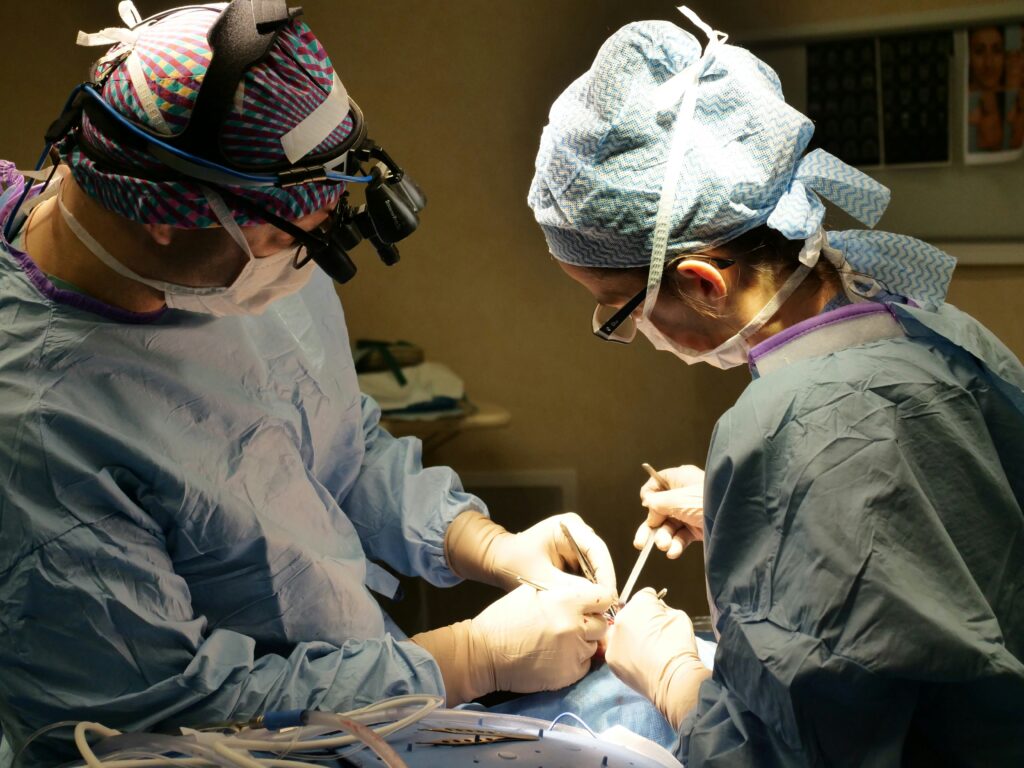
[Photo by Olivier Gerbault on Unsplash]
What Are The Potential Side Effects Of Breast Surgery?
The type of side effects a patient may experience following breast surgery will depend on the procedure undertaken and the individual's response to it. Some effects are expected and part of the body’s natural healing process, while others may point to potential complications or, in some cases, signs of negligence.
Expected Side Effects
It is common to experience some inflammation, bruising and swelling in the days and weeks following surgery. These symptoms typically settle as the healing process progresses.
Signs Of Potential Complications
Patients may encounter issues that suggest something has gone wrong, or in some cases, that the duty of care owed by the surgeon was not met. These include:
- Breast leaking or unusual discharge.
- Bleeding that does not reduce or worsens.
- Scarring that was not explained during the consultation, such as inappropriate placement or size.
- Fever, which may indicate infection.
- Asymmetry between the breasts or areolae.
- Waterfall deformity, where the breast tissue sits below the implant.
- Double bubble, where the breast forms a second fold below the natural crease.
Where these symptoms arise and can be linked to a failure by the surgeon to fulfil their duty of care, it may be grounds to bring a breast surgery negligence claim.
What Actions Can You Take When Your Breast Surgery Has Gone Wrong?
When breast surgery does not go as expected and results in complications or unsatisfactory outcomes, there are several steps you can take to protect your health and begin the process of pursuing compensation if negligence has occurred.
Seek Medical Attention
If you are experiencing any of the complications listed above, you should seek prompt medical advice. Early intervention may prevent the issue from worsening and can help you receive the treatment needed to support your recovery. If your original surgeon is not responsive or you are uncomfortable returning to them, you may wish to speak to your GP or an independent medical professional.
Collect Evidence
If you suspect your surgeon did not meet the duty of care required of them, start gathering relevant documentation. This can include:
- Medical records and surgery notes.
- Photographs of your symptoms or changes to your body.
- Written communication with the clinic or surgeon.
- Details of follow-up care or lack thereof.
- A copy of your signed consent form and any information leaflets provided before the operation.
These records can help to build a clear picture of what went wrong and how your surgeon may have failed in their responsibilities before, during or after the procedure.
Contact A Solicitor
A specialist cosmetic surgery solicitor can assess your case and advise on whether you may be entitled to compensation. Many people choose to speak with no win no fee solicitors in London, as this allows them to pursue a claim without upfront legal costs. Your solicitor will help you understand your legal rights, identify where the duty of care may have been breached, and assist in collecting the evidence needed to support your claim. If your case proceeds to court, they will represent your interests and work to achieve the best possible outcome on your behalf.
What Can You Claim Compensation For?
If your breast surgery has gone wrong due to negligence, you may be able to claim compensation for the impact it has had on your life. This includes both financial losses and the emotional and physical consequences you have experienced. Depending on your circumstances, you may be able to recover compensation for:
- Loss of future earnings: if the effects of the surgery have affected your ability to work or reduced your earning potential.
Medical expenses: including the cost of treatment, medication or corrective procedures. - Counselling or psychological support: if the experience has caused emotional distress or mental health challenges.
- Travel costs: including travel to and from appointments for treatment, follow-up care or assessments.
- Further surgery: any procedures needed to correct the results of the initial operation.
If you’ve experienced complications after breast surgery as a result of your surgeon’s negligence, making a compensation claim could help you access support during what may be a difficult time. It can also provide recognition for what you’ve been through and may help encourage better standards of care for others in the future.