AD. When you’re working with heavy machinery, choosing the appropriate fasteners is essential for ensuring safety, durability, and optimal performance. Fasteners, such as bolts, screws, and nuts, play an important role in holding different parts of machinery together. Choosing the wrong type could lead to equipment failure, costly repairs, and even accidents. In this blog, we'll break down the essentials of choosing the right fasteners for heavy machinery. We'll cover the different types of machine fasteners available, the materials they’re made from, and how to determine the best options for your specific needs. Once you understand the basics of fasteners, you’ll be able to make informed decisions and keep your machines running smoothly. Let’s explore the key factors to consider when choosing fasteners for your heavy machinery.
[Photo by Edge2Edge Media on Unsplash]
Understanding Load Requirements and Stress Factors
When you’re selecting fasteners for machinery, the first step is to consider load requirements and stress factors. Load requirements are the amount of weight or force the fastener will need to withstand. Stress factors include tension, compression, and shear forces that will act on the fastener during operation. You’ll need to determine the maximum load and stress the fastener will encounter. Once you know this, you’ll be able to select the appropriate size, material, and grade of the fastener, ensuring that it can perform reliably under demanding conditions. By choosing fasteners that can handle these loads and stresses, you’ll have the peace of mind that your machinery will operate safely and efficiently.
Selecting Fastener Materials for Optimal Performance
Choosing the right material for fasteners is essential to ensure your heavy machinery can perform optimally. The most common fastener materials include steel, stainless steel, and titanium, each varying in strength, corrosion resistance, and durability. While steel is strong and cost-effective, it can rust quickly. Stainless steel resists corrosion and is ideal for wet or humid environments. Titanium is lightweight and extremely strong but more expensive. To select the best material for your machine fasteners, you should assess the working conditions of your equipment, such as exposure to moisture or extreme temperatures. The right choice will ensure that your fasteners can withstand environmental challenges and maintain the machine’s integrity over time.
Types of Fasteners Suited for Heavy Machinery
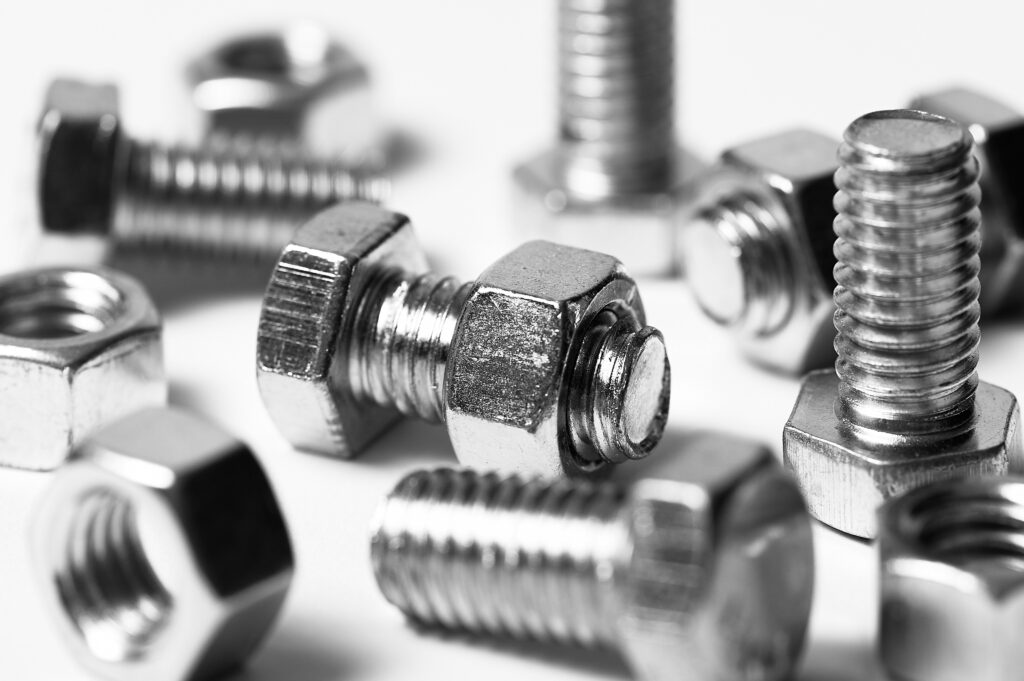
Selecting the right type of fastener is essential for keeping your heavy machinery properly secured. The common machine fasteners are bolts, screws, nuts, and washers. Bolts are often favoured for their strength and ability to handle heavy loads. Screws are versatile and provide a strong hold in various materials. Nuts, paired with bolts, ensure secure connections, while washers distribute load and prevent damage to surfaces. You’ll also need specialised tools like Stanley rivet guns or presses to install your fasteners securely. When you understand the specific needs of your machinery, you can choose the right fasteners and tools, ensuring reliability and longevity in all sorts of demanding applications.
Considerations for Vibration and Environmental Exposure
When you’re choosing fasteners for heavy machinery, another consideration to make is how vibrations and environmental factors will affect them. All types of machinery often experience vibrations that can loosen their fasteners over time. To counteract this, you’ll need to choose machine fasteners with locking features or vibration-resistant designs. Additionally, exposure to moisture, chemicals, or extreme temperatures can cause rust, corrosion, or degradation. That’s why you should pick materials and coatings that can withstand these conditions, like stainless steel or coated fasteners. By accounting for vibrations and environmental exposure, you can ensure that your fasteners stay secure and perform reliably, even in challenging conditions.
Maintenance and Inspection Strategies for Longevity
To ensure that your machine fasteners last long and perform well, you need to periodically check them for signs of wear, corrosion, or loosening. Make sure to tighten fasteners that have become loose and replace those that are damaged. It’s a good idea to implement a maintenance schedule that aligns with the machinery’s usage and operating conditions. Keeping the fasteners clean and free from debris can also help prevent issues. Regular inspections will help you reduce the risk of equipment failure and extend the lifespan of both the fasteners and the machinery. With consistent care, you can ensure that your heavy machinery performs reliably and safely in the long run.
To Sum Up
Choosing the right fasteners for heavy machinery is essential for safety, reliability, and performance. With the tips we’ve mentioned here, you can ensure your machinery operates smoothly and efficiently. Properly selecting and caring for your fasteners will not only enhance your machine’s longevity but also prevent costly repairs and downtime. With these tips in mind, you can make well-informed decisions and keep your heavy machinery running at its best.

An insightful post about choosing the right fasteners for heavy machinery x
Lucy | http://www.lucymary.co.uk