AD. When faced with a damaged drain or sewer line, homeowners and businesses often struggle to decide between pipe relining and traditional drain repair methods. At The Relining Company, we understand that making an informed choice requires a thorough understanding of the costs, efficiency, and longevity of each method. In this blog, we’ll break down these factors to help you determine the best solution for your plumbing needs.
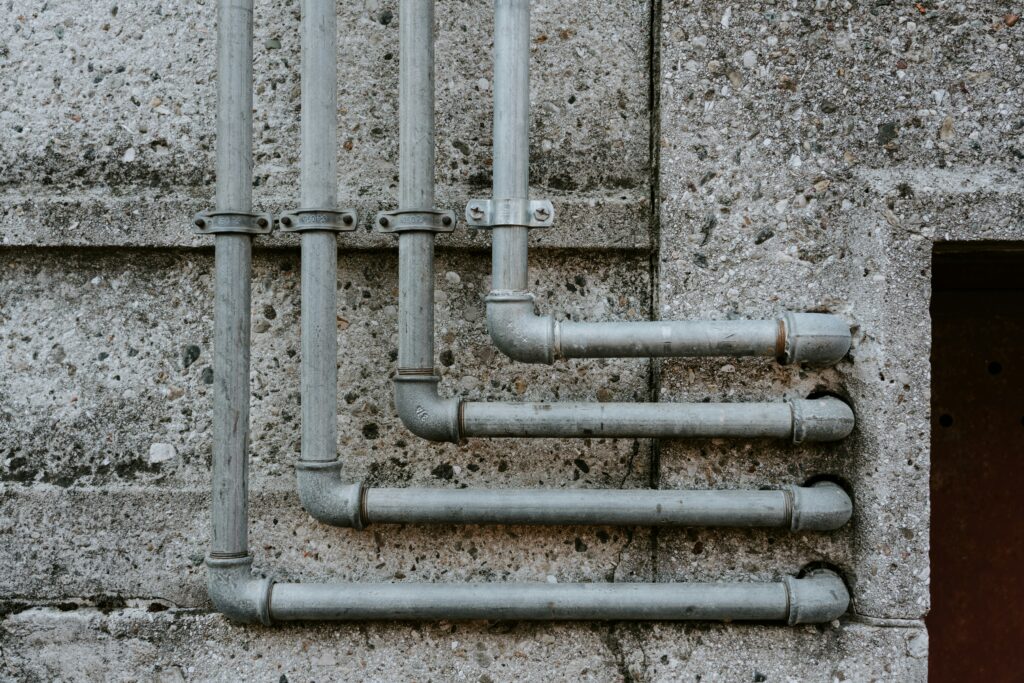
[Photo by Claudio Schwarz on Unsplash]
Understanding Pipe Relining
Pipe relining is a modern, trenchless method used to repair damaged pipes from within. Instead of digging up and replacing the entire pipe, this method involves inserting a resin-coated liner into the existing pipe, which then hardens to form a new, durable pipe inside the old one.
Advantages of Pipe Relining:
- Minimal Disruption: Since there’s no need for extensive excavation, pipe relining avoids the mess and inconvenience of digging up your yard, driveway, or floor.
- Cost-Effective in the Long Run: While the upfront costs may seem higher, pipe relining reduces labor and restoration expenses, making it a more economical option over time.
- Enhanced Durability: The newly formed pipe is resistant to corrosion, root intrusion, and leaks, ensuring a long-lasting repair solution.
- Quick Turnaround: Pipe relining is often completed within a day, minimizing downtime and inconvenience.
Traditional Drain Repair Explained
Traditional drain repair, also known as pipe replacement, involves excavating the affected area to remove and replace damaged pipes with new ones. This method has been used for decades and remains an option for severely damaged or collapsed pipes.
Advantages of Traditional Drain Repair:
- Comprehensive Solution: If a pipe is beyond repair, full replacement ensures a completely new system with no underlying weaknesses.
- Proven Effectiveness: Since the entire pipe is replaced, the new section will function like a brand-new installation.
- No Dependence on Existing Pipe Integrity: Unlike relining, this method doesn’t require any reliance on the condition of the old pipe.
Pipe Relining vs. Traditional Repair: A Cost Comparison
Cost is often the deciding factor when choosing between these two repair methods.
Pipe Relining Cost Factors Explained
Several factors influence the cost of pipe relining, including:
- Pipe Size and Length: Longer or larger pipes require more resin and materials, increasing costs.
- Extent of Damage: If the pipe has severe blockages or structural issues, additional work might be needed before relining.
- Access Points: The ease of access to the pipe plays a role in labor costs. Hard-to-reach areas may require more effort and specialized equipment.
- Material Used: High-quality epoxy resins and advanced liners tend to be more expensive but offer superior longevity and durability.
On average, pipe relining costs between $150 to $400 per foot, depending on these factors. While this may seem expensive upfront, the savings in excavation, labor, and restoration often make it the more cost-effective choice.
Traditional Repair Costs
Traditional drain repair costs vary based on excavation depth, labor requirements, and pipe material. Homeowners can expect to pay between $50 to $250 per foot for standard replacements, but the additional cost of yard restoration, driveway repairs, and landscaping can significantly drive up the total expense. The process is also more labor-intensive, leading to higher labor costs.
Efficiency & Longevity: Which Lasts Longer?
Pipe Relining:
- Typically lasts 50 years or more due to the durable epoxy resin material.
- Resistant to corrosion, cracks, and root intrusion, ensuring long-term reliability.
- Reduces maintenance costs as it creates a seamless, joint-free structure.
Traditional Repair:
- Lifespan varies depending on the material used (PVC, clay, cast iron, etc.), with most lasting 30 to 50 years.
- Susceptible to future root intrusion, ground shifts, and wear over time.
- May require additional repairs or replacements in case of new leaks or damage.
Which Method is Best for You?
Choosing between pipe relining and traditional drain repair depends on several factors, including budget, urgency, pipe condition, and property impact.
- Opt for Pipe Relining if: You want a non-invasive, long-lasting solution with minimal disruption.
- Choose Traditional Repair if: The pipe is completely collapsed, irreparably damaged, or if relining isn’t viable.
Final Thoughts
Both pipe relining and traditional drain repair have their pros and cons, but for most homeowners and businesses, relining offers a quicker, more durable, and cost-effective solution. While the upfront cost of relining might be higher, the reduced labor, minimal property damage, and extended lifespan make it a worthy investment.
If you’re considering pipe relining or need expert advice on your drainage issues, contact The Relining Company today. Our specialists can assess your situation and provide the best solution for your needs.