Planning your European trip can be an exhilarating yet somewhat overwhelming experience. From its historic cities, to stunning natural landscapes and a diverse range of attractions, Europe offers something for everyone. Crafting an itinerary however that balances adventure with relaxation and enjoyment requires careful consideration. This guide walks you through the essential steps for planning your perfect trip to experience Europe’s diverse attractions.

[Photo of Zurich, Switzerland by H. Emre]
Step 1. Researching Top Attractions in Europe
Start by identifying the destinations and attractions you’d most like to visit. Europe is home to iconic landmarks such as the Eiffel Tower, Roman Colosseum and the Acropolis of Athens. However don’t forget about the lesser known treasures such as Portugal's stunning Douro Valley or the fjords in Norway. Research trusted sources such as travel blogs, guidebooks and platforms such as TripAdvisor to curate a list of attractions that excite you.
Once you’ve secured your chosen European attractions I’d recommend booking early. Popular attractions, like the Louvre or the Vatican, often sell out quickly. Platforms such as GetYourGuide or Viator allow you to book activities ahead of time, making sure you don’t miss out. Look for guided tours to deepen your understanding of each destination’s history and culture.
Step 2. Booking Flights
Booking your flights and accommodation early will not only save you money, but it also secures the best variety of options.
Look at open-jaw flight tickets which allow you to arrive in one city and depart from another, maximising your itinerary efficiency. For travellers looking for an elevated experience consider using a charter airplane. Air Charter Service offers customisable travel options enabling you to explore Europe’s top attractions in style. This is particularly beneficial for those covering large distances or accessing more remote locations with ease.
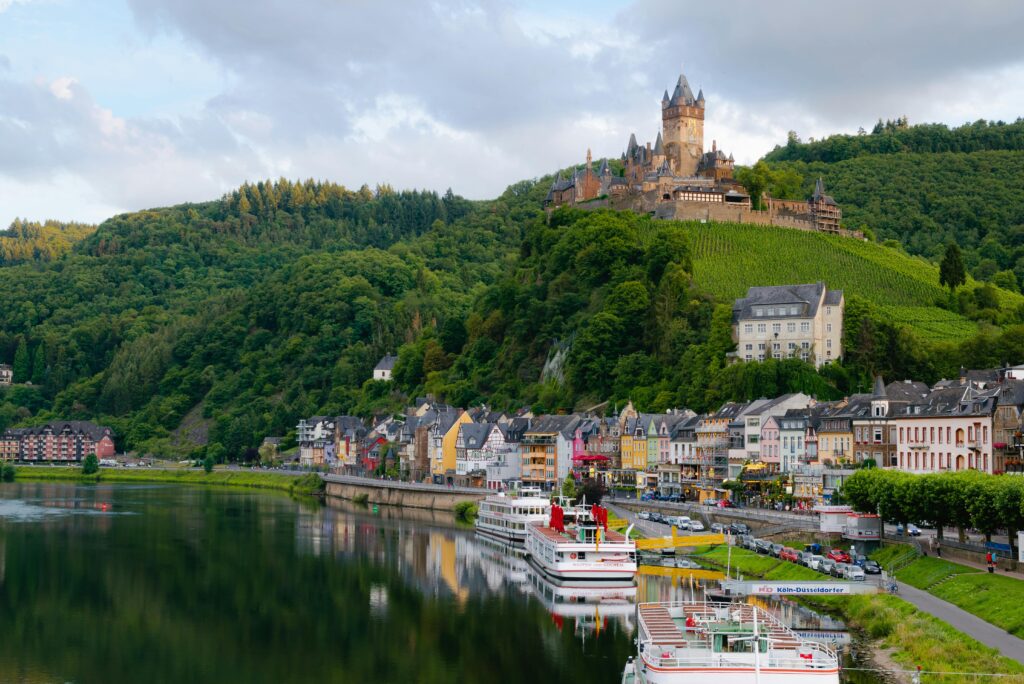
[Photo of Cochem, Germany by Kai Pilger]
Step 3. Establishing the Duration of Your European Trip
Your trip's length plays a pivotal role in determining how much you can see and do. Europe's top attractions are spread across 44 different countries, all of which offer their own individual and unique charm. To avoid travel burnout make sure you allocate enough time to fully enjoy each attraction and destination at a steady pace.
A week-long trip might focus on 2-3 different countries. You could for example tie in seeing the Giant's Causeway in Ireland with London's top attractions before heading to the Netherlands for the Anne Frank museum or the tulip fields. For trips spanning multiple countries I’d recommend spending at least two days in major cities, perhaps followed by an extra day in a smaller town.
Remember to factor in seasonal considerations. Some destinations, such as the beaches of Greece, are best visited in summer, while others, like Christmas markets in Germany, are a winter delight. This planning phase ensures you can truly experience Europe’s diverse attractions.
Step 4. Setting a Budget for Your European Trip
Budgeting is essential to make sure your trip aligns with your financial expectations. Start by categorising expenses: attractions, flights, accommodation, meals and souvenirs etc. Research average costs for your destinations (because they vary from city to city) and set yourself a daily spending limit.
If possible, I’d consider traveling off-season to save money on flights and accommodation. Additionally, allocate a contingency fund for unexpected expenses. Europe caters to all budgets, from luxury seekers to backpackers, making it easier than ever to experience its diverse attractions without overspending.

[Photo of Paris, France by Yovan Verma]
Step 5. Securing the Best Accomodation
When choosing accommodation consider proximity to attractions and public transport. Platforms like AirBnB and Booking.com offer a range of accommodation types from boutique hotels to budget friendly apartments.
Step 6. Understanding Transportation Options in Europe
Europe boasts an extensive transportation network including trains, buses and flights. The high-speed rail system is ideal for traveling between major cities, while buses are a cost-effective way to reach smaller towns. Websites like Rome2Rio can help compare options.
For greater flexibility, renting a car is excellent for exploring rural regions or lesser-known destinations.
If time is of the essence, using a charter airplane provides unparalleled convenience. Imagine visiting Paris, Rome, and Santorini in just a few days. This is possible with the tailored services offered by Air Charter Service.
Step 7. Packing essentials for your European Trip
Packing effectively ensures you’re prepared for Europe’s varying climates. Layered clothing works best, allowing you to adjust to temperature changes. Comfortable shoes are a must for exploring cobblestone streets and scenic trails.
One tip from personal experience: pack a lightweight daypack for daily excursions. It’s perfect for carrying essentials like snacks, maps, and a water bottle, especially if you plan to explore Europe’s diverse attractions on foot.
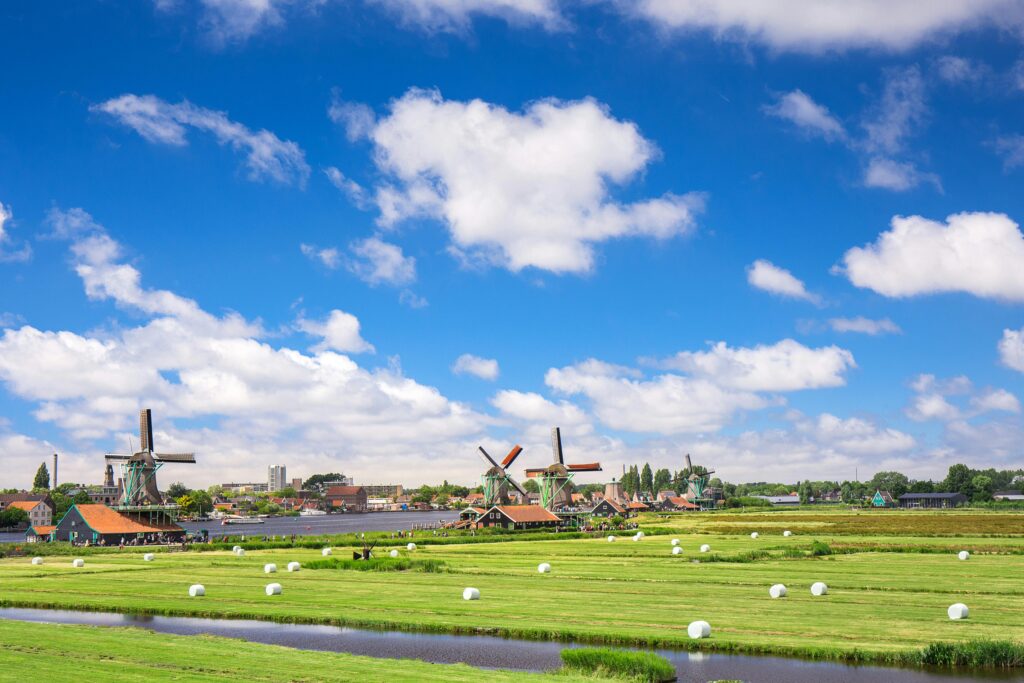
[Photo of Amsterdam by Tanathip Rattanatum]
Additional Tips for an Unforgettable Trip
Navigating Language Differences
While English is widely spoken in tourist areas, learning basic phrases in the local language enhances your travel experience. Use apps like Duolingo to practice key terms. Polite efforts, such as saying “hello” and “thank you” in the native language, often lead to friendlier interactions.
When I visited a small Paris, I found a simple “Bonjour” made locals more welcoming. It also made me feel really good about the interaction. It’s these little moments that make a trip feel more personal and rewarding.
Understanding Cultural Differences
Europe’s cultural diversity is one of its greatest appeals. Familiarise yourself with customs like tipping etiquette, dining practices, and dress codes, especially at religious sites. I was turned away originally when visiting the Pantheon in Rome as I was wearing a vest top and it was deemed inappropriate to have so much skin on show. Being respectful of local traditions helps you enjoy a more authentic and fulfilling trip.
Research Essentials
Efficient research is key to a smooth journey. Save maps, hotel addresses, and tickets offline for easy access. Apps like Google Maps and TripIt streamline planning, making it easier to focus on exploring Europe’s top attractions.
To Conclude
Crafting a European itinerary is an exciting yet intricate process. From selecting destinations to managing logistics, every step contributes to an unforgettable experience. By budgeting wisely, booking strategically, and embracing Europe’s cultural and linguistic diversity, you’ll create a trip that balances adventure and relaxation.


Having an itinerary does hep when going on trips, you need to know whereabouts you're going and keeping the budget in mind x
Lucy | http://www.lucymary.co.uk
I would love to go on another European trip, as interailling was so much fun! Having an itinerary to stick to was so helpful and made sure we didn't waste any time x