AD. Climate change is having far-reaching effects on ecosystems, weather patterns, and public health. Among the most significant consequences of global warming is the shift in the prevalence and distribution of vector-borne diseases, particularly malaria. The relationship between climate change and malaria is complex but critical, as rising temperatures and changing weather conditions are creating an environment more conducive to the spread of mosquitoes, and thus the malaria parasite. This article explores how climate change is affecting malaria outbreaks and why the threat is growing in warmer regions.
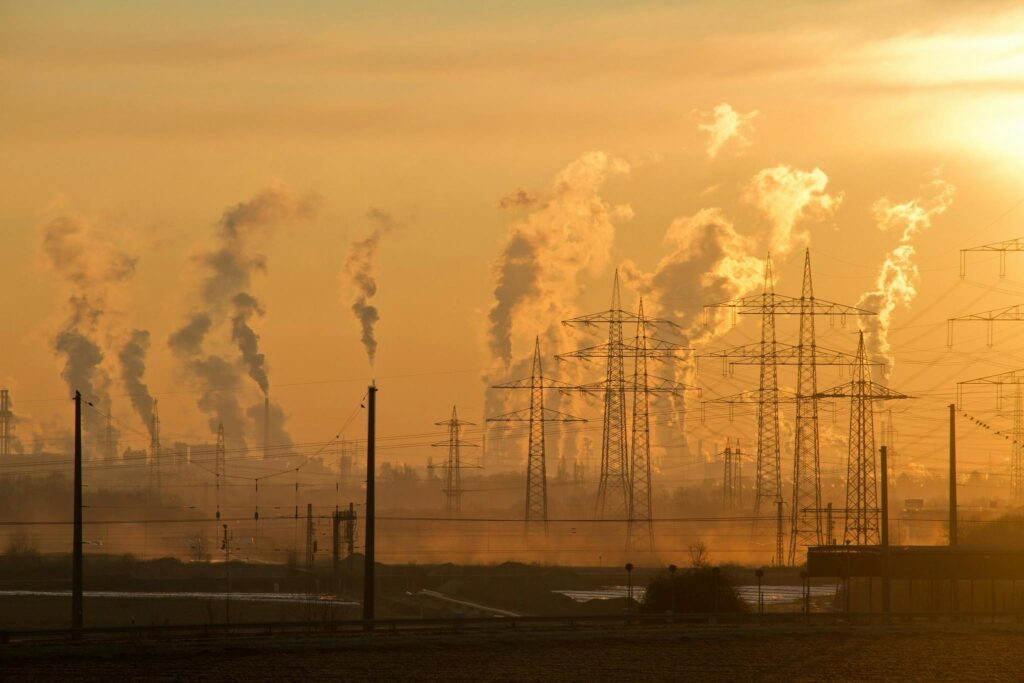
[Photo by Pixabay]
Understanding Malaria and Its Connection to Climate
Malaria is a mosquito-borne disease caused by Plasmodium parasites, primarily transmitted by the female Anopheles mosquito. The lifecycle and behavior of mosquitoes—and therefore the transmission dynamics of malaria—are closely tied to environmental factors such as temperature, humidity, and rainfall. Changes in climate can significantly alter these environmental factors, thereby influencing malaria transmission.
The optimal conditions for Anopheles mosquitoes to thrive include:
Temperatures between 20°C and 30°C: Within this range, the parasite develops more quickly inside the mosquito.
- High Humidity: Mosquitoes need humid environments for survival, as dry climates can reduce their lifespan and activity.
- Stagnant Water: Rainfall patterns that create stagnant water bodies provide breeding grounds for mosquitoes.
Climate change is altering these key factors, thereby changing where and when malaria outbreaks occur.
Impact of Climate Change on Malaria Transmission
1. Rising Temperatures and Mosquito Expansion
One of the most noticeable impacts of climate change is the increase in average global temperatures. Warmer temperatures create more favorable conditions for mosquitoes to thrive and expand their habitats. Specifically:
- Increased Parasite Development Rates: The Plasmodium parasite needs a specific temperature range to develop inside the mosquito. Warmer temperatures reduce the time required for the parasite to mature, increasing the likelihood that the mosquito becomes infectious before it dies. This shortens the transmission cycle and increases the frequency of infections.
- Expansion into Higher Altitudes and Latitudes: Traditionally, malaria has been most prevalent in tropical and subtropical areas. However, rising temperatures are allowing mosquitoes to move into new areas that were previously too cool for them to survive. This includes highland areas in Africa and South America as well as regions at higher latitudes. For example, areas in the Ethiopian and Colombian highlands, which were once considered malaria-free, are now seeing cases of the disease due to rising temperatures.
2. Changes in Rainfall Patterns
Changes in rainfall patterns are also influencing malaria outbreaks:
- Increased Rainfall: Heavier rainfall events can create ideal breeding conditions for mosquitoes by increasing the availability of stagnant water, where mosquitoes lay their eggs. Prolonged rainy seasons can extend the breeding period of mosquitoes, increasing malaria transmission.
- Drought and Irregular Rainfall: On the other hand, droughts and unpredictable rainfall can also impact mosquito populations. During droughts, some water sources dry up, reducing mosquito breeding grounds. However, when heavy rains follow a drought, there is often a spike in mosquito populations due to the sudden availability of fresh water for breeding. This pattern of alternating drought and heavy rainfall can lead to sudden, severe outbreaks of malaria.
3. Changing Ecosystems and Human Behavior
Climate change affects ecosystems, agricultural practices, and human settlement patterns, all of which can influence malaria transmission. For instance:
- Deforestation and Land Use Change: Deforestation and changes in land use, often driven by climate change and human activity, can create new breeding habitats for mosquitoes. Forest clearing often leads to the formation of small water pools, ideal for mosquito breeding, thereby increasing the risk of malaria in these areas.
- Migration and Urbanization: As climate change impacts agriculture and water availability, people may be forced to migrate to new areas in search of better living conditions. Increased migration can lead to the movement of infected individuals into previously unaffected areas, potentially introducing malaria into new regions. Urbanization can also create environments favorable for mosquito breeding, particularly in areas with poor sanitation and stagnant water.
Regional Impacts of Climate Change on Malaria
1. Sub-Saharan Africa
Sub-Saharan Africa has always borne the greatest malaria burden, and climate change threatens to worsen the situation. Warmer temperatures and increased rainfall in many parts of the region are extending the malaria transmission season and expanding the range of the disease. The East African highlands, once considered too cool for malaria, are now experiencing increased transmission due to warming temperatures, putting millions of people at risk.
2. South Asia
South Asia is also seeing a shift in malaria dynamics as a result of climate change. The monsoon season, which provides the majority of annual rainfall in the region, is becoming more erratic, with intense rains followed by periods of drought. This pattern creates breeding opportunities for mosquitoes and leads to malaria outbreaks. Countries like India and Pakistan are seeing an increase in malaria cases in areas that previously reported lower incidence rates.
3. Latin America
In Latin America, climate change is contributing to the spread of malaria into regions that were previously unaffected. Warmer temperatures and changes in rainfall are enabling mosquitoes to expand into higher elevations, affecting areas in Colombia, Peru, and other Andean countries. Additionally, deforestation in the Amazon basin has created new breeding habitats for mosquitoes, exacerbating the malaria problem.
Efforts to Combat Malaria Amid Climate Change
Given the significant impact of climate change on malaria, efforts to combat the disease must adapt to the new reality of a changing environment. Some key strategies include:
1. Strengthening Surveillance Systems
Improving surveillance systems is crucial for detecting and responding to malaria outbreaks quickly, especially in areas where the disease is newly emerging due to climate change. By monitoring mosquito populations, climate patterns, and malaria cases, health authorities can better predict and respond to outbreaks.
2. Integrated Vector Management (IVM)
Integrated Vector Management (IVM) involves using a combination of tools and approaches to control mosquito populations. This includes the use of insecticide-treated bed nets (ITNs), indoor residual spraying (IRS), and environmental management, such as removing standing water and improving drainage systems to eliminate mosquito breeding sites.
3. Climate-Smart Health Planning
Public health systems need to incorporate climate-smart planning to address the growing threat of malaria. This means factoring in climate data and projections to identify areas at risk and implement preventive measures, such as distributing bed nets, conducting IRS campaigns, and improving access to malaria treatments in vulnerable regions.
4. Developing New Malaria Tools
As the environment changes, there is an increasing need for new tools to fight malaria. The development of new insecticides, antimalarial drugs, and vaccines is crucial in ensuring that efforts to control malaria remain effective. The RTS,S vaccine (Mosquirix), which is being rolled out in some African countries, provides an additional layer of protection, especially for children, who are most vulnerable to malaria.
5. Community Awareness and Education
Communities need to be educated about the changing risks of malaria due to climate change. Raising awareness about the importance of preventing mosquito bites, recognizing malaria symptoms, and seeking prompt treatment can help reduce the impact of malaria, especially in newly affected areas where the population may not be familiar with the disease.
Conclusion
Climate change is having a profound impact on malaria transmission, increasing the disease’s reach and putting millions more people at risk, particularly in warmer regions. Rising temperatures, changing rainfall patterns, and shifts in ecosystems are creating environments that are more conducive to mosquito breeding and malaria transmission. As malaria spreads to new regions, public health systems must adapt by improving surveillance, integrating vector management strategies, and ensuring that vulnerable populations have access to prevention tools and treatment.
Efforts to combat malaria must be climate-sensitive, addressing the growing challenges presented by a warming world. By combining technological advances, public health interventions, and community awareness, the global health community can work to mitigate the effects of climate change on malaria and protect vulnerable populations from this dangerous disease.