AD. Welcoming a new baby into the world is one of the most transformative experiences in a woman's life. However, along with the sleepless nights and endless nappy changes, new mums often face unexpected changes in their bodies. One of the which being postpartum hair loss. Understanding what happens to your hair after giving birth can help you feel more aware and less anxious during this transitional phase. Let's take a look at postpartum hair truths and what really goes on in those tiny little follicles.
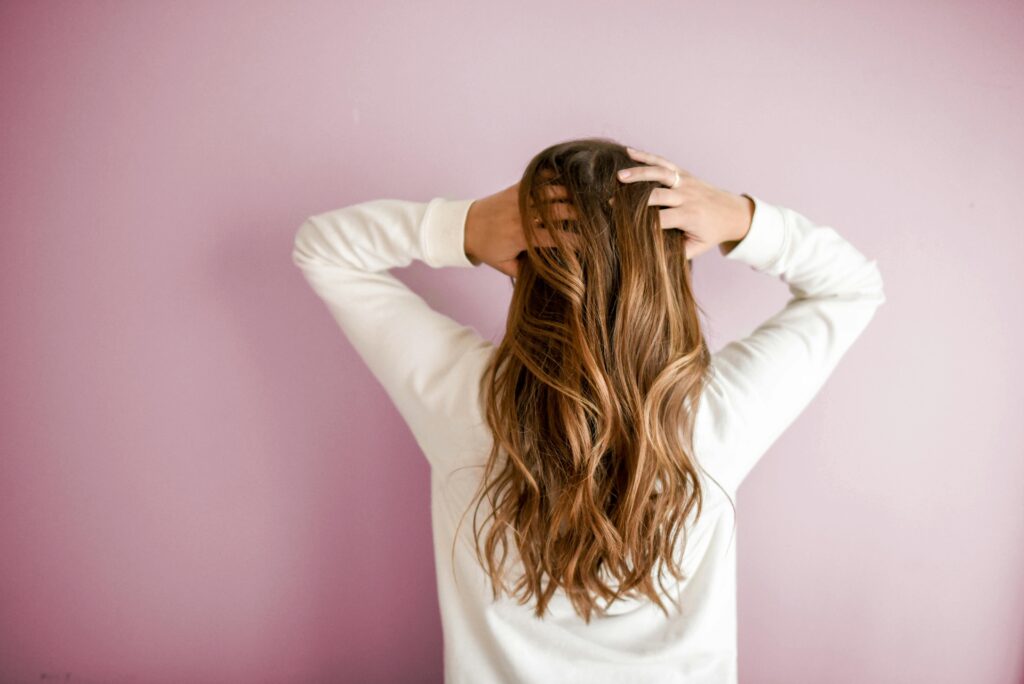
[Photo by Element5 Digital]
Understanding Postpartum Hair Loss
Before diving into postpartum hair truths, it's important to understand the basics, and a bit of science behind postpartum hair loss.
During pregnancy, elevated estrogen levels can make your hair appear thicker, fuller, and more vibrant than ever before. My hair had never looked better! This is because estrogen prolongs the growth phase of your hair cycle, reducing the amount of hair shedding.
However, once you've given birth, your hormone levels drop massively. This sudden change pushes a large number of hair follicles into the resting phase. The result? Postpartum hair loss!
When Does Postpartum Hair Loss Start?
One of the most common postpartum hair truths is that postpartum hair loss doesn't happen immediately after giving birth. In fact, most new mothers don't notice significant hair shedding until about three to six months postpartum. Shedding typically peaks around the fourth month postpartum and gradually decreases over time. Most women see their hair return to its normal growth cycle within six to twelve months, though some may experience changes for up to a year or more.
Why Does It Happen?
As mentioned earlier, the dramatic shift in hormone levels is the primary cause. During pregnancy, your body is flooded with estrogen, which keeps your hair in the growth phase longer than usual. After childbirth, estrogen levels plummet, causing hair to enter the resting phase in mass.
But hormones aren’t the only factor. The physical and emotional stress of childbirth and new motherhood, can exacerbate hair loss. Sleep deprivation, nutritional deficiencies, and changes in daily routines can all contribute to the intensity of postpartum hair loss.
Coping with Postpartum Hair Loss
While postpartum hair loss is a natural part of the journey, there are ways to manage it and support your hair as it transitions back to its regular growth pattern.
1. Consider Hair Growth Serums
If you’re looking for a way to support hair regrowth, consider using a hair growth serum. Entera skincare have a substantial range of restorative hair care products, that are sure to help combat postpartum hair loss. These products contain ingredients like biotin and peptides, which help nourish the scalp and promote healthier hair growth over time.
2. Healthy Diet
Nutrition plays a crucial role in hair health. Incorporate foods rich in vitamins and minerals that support hair growth, such as biotin, zinc, iron, and omega-3 fatty acids. Leafy greens, nuts, eggs, and fatty fish are excellent choices. If you're concerned about nutrient deficiencies, consult your healthcare provider about taking a postpartum multivitamin.
3. Stress Management
High stress levels can worsen hair loss, so finding ways to manage stress is key. Whether it's through mindfulness, yoga, or simply carving out some "me time," reducing stress can help mitigate the effects of postpartum hair loss.
4. Gentle Hair Care
During this sensitive period, treat your hair with care. Use a wide toothed comb to avoid unnecessary breakage, and avoid tight hairstyles that pull on the hair. Opt for a gentle, sulfate-free shampoo and a nourishing conditioner to keep your hair hydrated and manageable.
5. Consult a Professional
If you're concerned about the amount of hair you're losing, or if you notice other symptoms like severe scalp itching or patchy bald spots, it's worth consulting a dermatologist or trichologist. In some cases, excessive hair loss could indicate an underlying condition, such as thyroid issues or anemia, that requires medical attention.
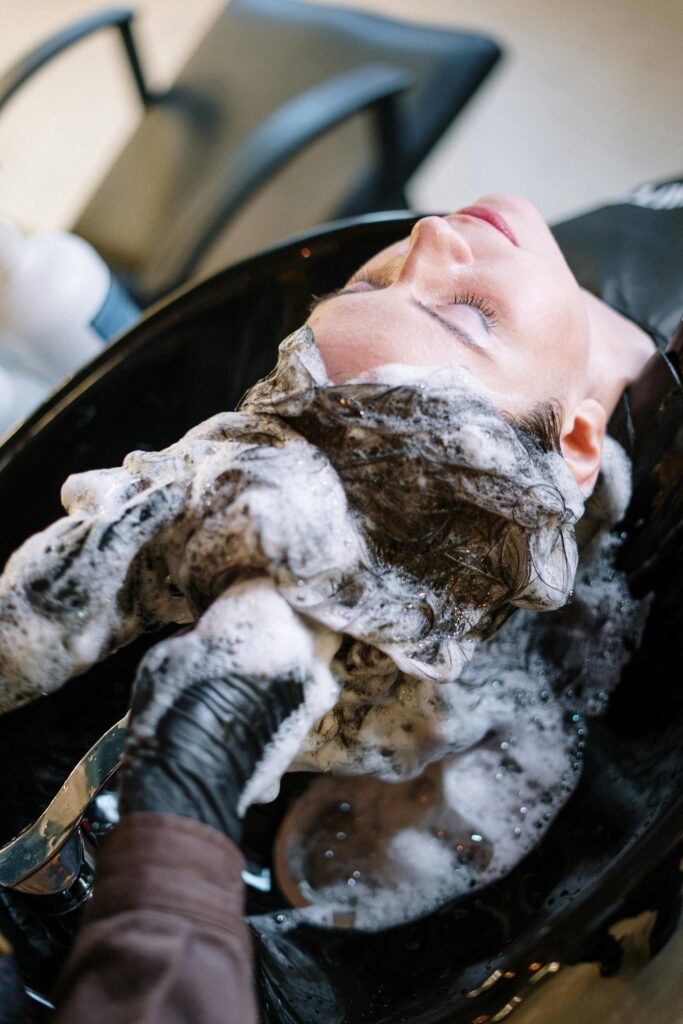
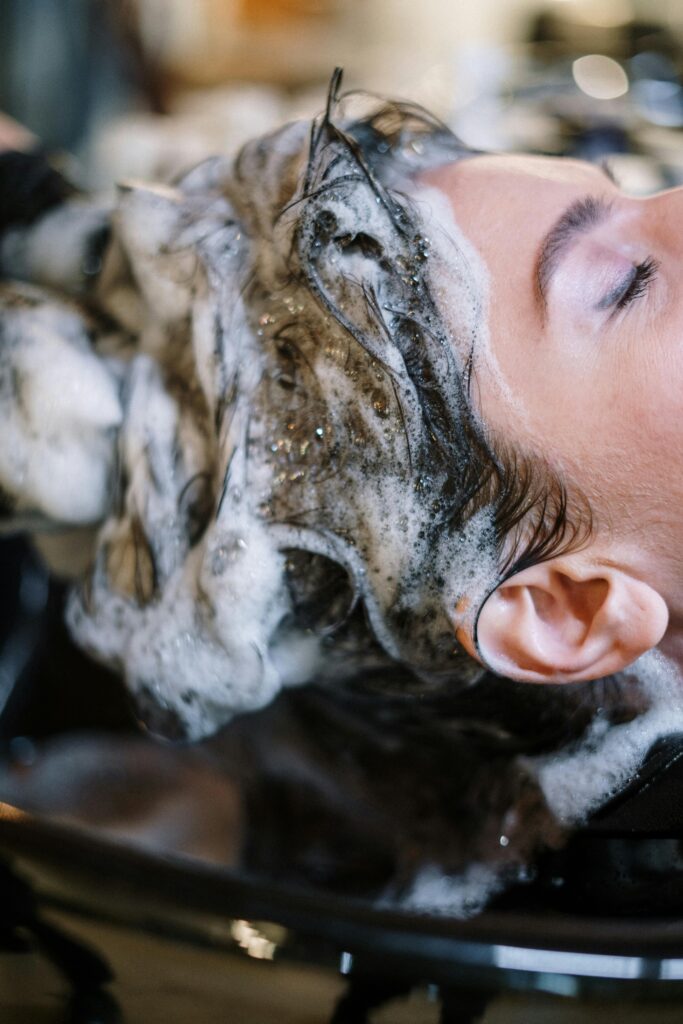
[Photos by cottonbro studio]
Regrowth and Recovery
One of the most encouraging postpartum hair truths is that hair regrowth is just around the corner. As your hormone levels stabilise, your hair will gradually begin to return to its normal growth cycle. This process takes time, and it's important to be patient with your body as it adjusts.
During the regrowth phase, you may notice new, shorter hairs, especially around your hairline. While these 'baby hairs' might be frustrating to style, they are a sign that your hair is on the mend. Embrace this phase as part of your postpartum journey, knowing that it's temporary and that your hair will continue to recover.
Myths vs. Reality
When it comes to postpartum hair, there are plenty of myths floating around. Let’s set the record straight with some key postpartum hair truths.
Myth: Breastfeeding causes hair loss.
Reality: While breastfeeding doesn't cause postpartum hair loss, it doesn't prevent it either. Hair loss is primarily driven by hormonal changes that occur after childbirth, regardless of whether you breastfeed or not.
Myth: Postpartum hair loss is permanent.
Reality: This is perhaps the most reassuring of all postpartum hair truths. Postpartum hair loss is temporary. Hooray! Your hair will eventually return to its normal growth cycle, though it may take time and patience.
Myth: You can prevent postpartum hair loss by cutting your hair short before giving birth.
Reality: Cutting your hair short before childbirth might make shedding seem less noticeable, but it won’t prevent postpartum hair loss. Hair loss is a natural biological response to your hormone changes, and its occurrence isn’t influenced by hair length. However, shorter hair can be easier to manage during the postpartum period.
To Conclude
Postpartum hair loss can be an unexpected and unsettling experience, but it’s a normal part of the postpartum journey. By understanding these postpartum hair truths, you can approach this phase with confidence and clarity. Remember, your body has just accomplished something incredible, and it’s still adjusting to the changes that come with motherhood. While your hair may go through a period of shedding, it will eventually regrow. In the meantime, focus on taking care of yourself, enjoying your time with your new baby, and embracing the natural changes that come with this beautiful stage of life.


An interesting read about postpartum hair, it would really frustrate me if my hair started thinning like that. I love how you have debunked the myths here x
Lucy | http://www.lucymary.co.uk