AD. If you suffer from seasonal allergies, you might already be familiar with the discomfort they bring. But do you know exactly how they impact your ear, nose, and throat?
Seasonal allergies, also known as hay fever or allergic rhinitis, are more than just an inconvenience. They can significantly affect your ear, nose, and throat (ENT) health and make life extremely unbearable. Sometimes, it’s best not to take the symptoms lightly.
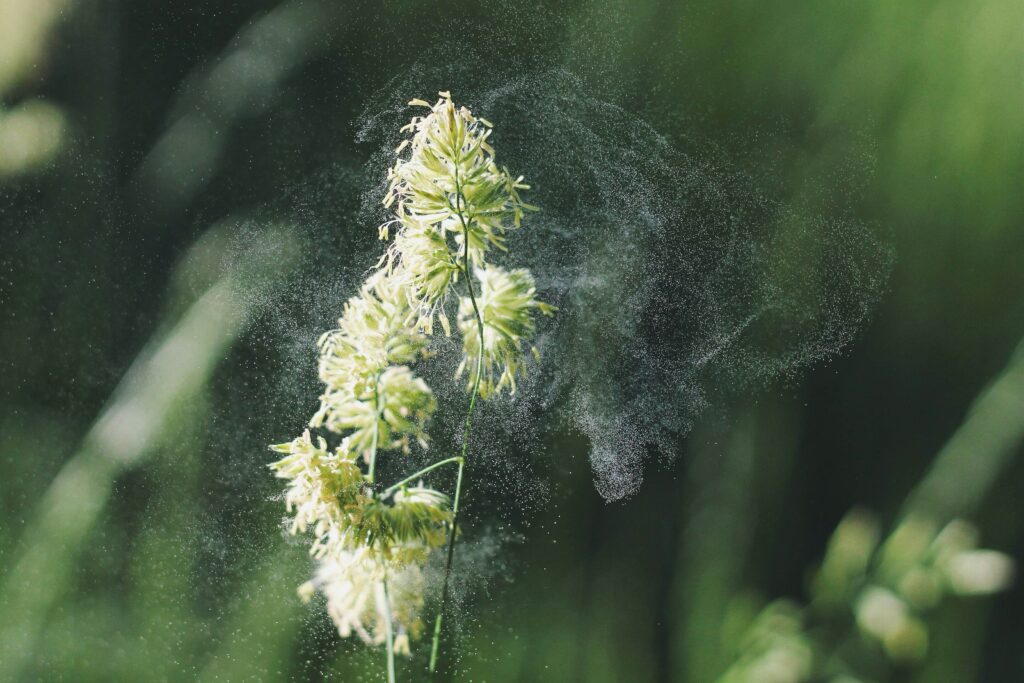
[Photo by Alex Jones on Unsplash]
Why Do You Experience Allergies?
When you experience seasonal allergies, it’s because your immune system overreacts to airborne allergens such as pollen, mold spores, or dust mites. Your body sees these substances as threats and releases chemicals like histamine to fight them off. This immune response leads to the classic symptoms of allergies: sneezing, runny or congested nose, itchy eyes, and scratchy throat.
But the impact doesn't stop there. If your symptoms become severe or persistent, making daily life difficult, it may be time to visit an ENT doctor. They can provide specialized treatments for the ear, nose, and throat and help you manage complications that general allergy medications might not address.
Now, let’s look at each part individually.
Your Nose
Your nose is often the first part of your body to encounter allergens. When you breathe in pollen or other irritants, they get trapped in your nasal passages. Here’s what happens:
- Inflammation and Congestion: The allergens cause inflammation in your nasal passages, leading to swelling and congestion. You might find it hard to breathe through your nose, which can disrupt your sleep and daily activities.
- Runny Nose and Sneezing: Your body produces excess mucus to flush out the allergens. This results in a runny nose and frequent sneezing. While these symptoms are annoying, they're your body's way of trying to expel the irritants.
- Postnasal Drip: The excess mucus can also drip down the back of your throat, a condition known as postnasal drip. This can cause a persistent cough, sore throat, and even hoarseness.
Your Throat: The Irritation Hub
Postnasal drip isn’t the only way seasonal allergies affect your throat. The allergens themselves can irritate your throat directly:
- Scratchy and Sore Throat: Inhaled allergens can cause your throat to feel scratchy and sore. If you’re breathing through your mouth due to nasal congestion, it can dry out your throat, making the irritation worse.
- Swollen Tonsils: Chronic exposure to allergens can lead to swollen tonsils, which can make swallowing uncomfortable. This condition is known as allergic pharyngitis.
- Chronic Cough: The combination of postnasal drip and throat irritation can lead to a chronic cough. This cough is your body’s way of trying to clear the mucus and allergens from your airways.
Your Ears
Your ears might not seem like they’d be affected by nasal allergies, but they are closely connected to your nasal passages:
- Eustachian Tube Dysfunction: Your Eustachian tubes connect your middle ear to the back of your throat. When allergies cause inflammation and congestion, these tubes can become blocked, leading to a feeling of fullness or pressure in your ears. This condition can also affect your hearing temporarily.
- Ear Infections: The blockage of the Eustachian tubes can prevent fluid from draining properly from your middle ear. This stagnant fluid can become a breeding ground for bacteria, leading to ear infections. If you experience ear pain, difficulty hearing, or fluid drainage from your ear, you might be dealing with an ear infection caused by your allergies.
- Tinnitus: In some cases, the pressure and inflammation from allergies can cause or exacerbate tinnitus, a ringing or buzzing sound in the ears.
How to Manage Seasonal Allergies
Here are some strategies to help you cope:
- Use Medications: Over-the-counter antihistamines, decongestants, and nasal corticosteroids can help manage your symptoms. Consult with your doctor to find the best medication for your needs.
- Practice Good Hygiene: Rinse your nasal passages with saline solution to remove allergens and reduce inflammation. This can be done using a neti pot or a saline nasal spray.
- Stay Hydrated: Drink plenty of fluids to thin mucus and keep your throat moist. Warm beverages like herbal tea can be particularly soothing.
- Seek Professional Help: If your symptoms are severe or persistent, consider seeing an allergist or ENT specialist. They can perform tests to identify your specific allergens and recommend treatments such as allergy shots (immunotherapy).
- Consider Home Remedies: Some natural allergy remedies, such as local honey, herbal teas, and essential oils, might provide relief. Always check with your healthcare provider before trying new treatments.
- Maintain a Clean Environment: Regularly clean your home to reduce allergen buildup. Use high-efficiency particulate air (HEPA) filters in your vacuum and air conditioning systems.
Final Words
Knowing how these allergies affect your body, you can take proactive steps to manage them, thus reducing their impact. You don’t have to suffer in silence. If your symptoms seem unbearable, don’t hesitate to see a specialist.