AD You’ve made it through your lessons, passed your test, and you’re the proud owner of a driving licence! But if you’re not yet the proud owner of your first car, we’re here to offer some hints and tips that may save you a lot of money and stress in the long run. Car ownership is exciting, but it’s also a big responsibility - here are our three big bits of advice to make it smooth sailing - or should we say smooth driving? Here is your beginner's guide to owning your first car.
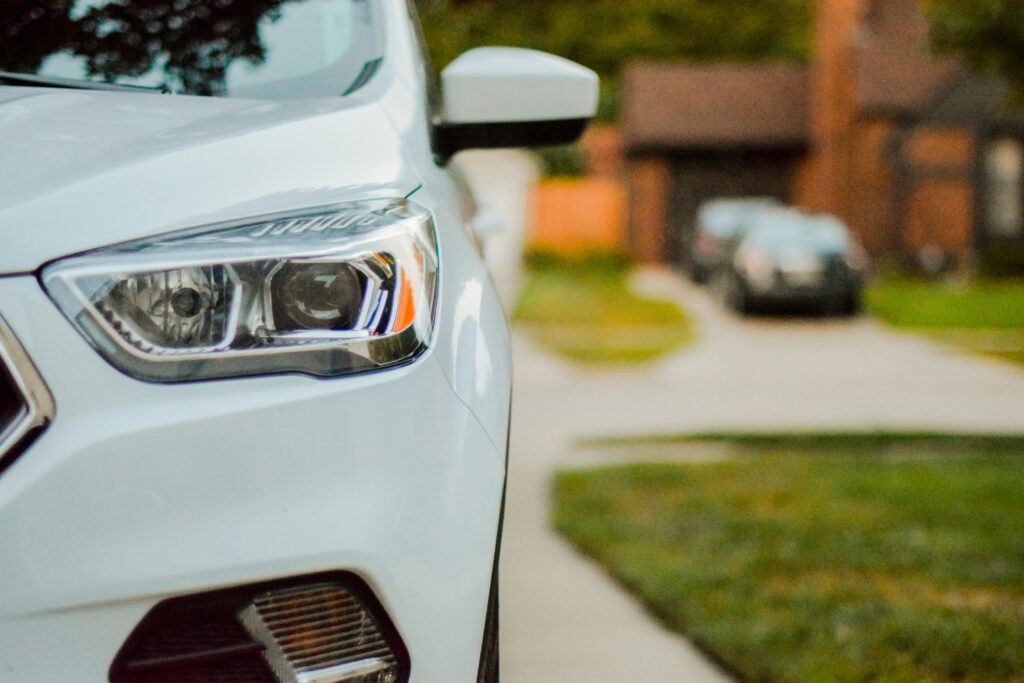
[Photo by Sarah Brown on Unsplash]
A Beginner's Guide to Owning Your First Car
Consider the costs
If you didn’t know already, you’re about to be acquainted with the reality of how much it costs to buy and run a car, particularly as a first-time driver. In terms of that initial purchase, a budget-friendly used model is your best bet, following research on the reliability of certain models from certain eras - you want to minimise the chance of getting caught out with frequent breakdowns.
Then, there are all the costs involved in running the car. These include:
- Insurance (which will likely cost more for you as a first-time driver than for those with more experience)
- Fuel
- Vehicle tax
- Breakdown cover
- Maintenance
- Parking
You can factor most of the above into your initial buying decision too - insurance premiums will vary depending on how new and powerful the car is, for example.
Master your maintenance
Now you’re legally able to drive and in possession of a car, it’s your responsibility to ensure it’s kept safe and running smoothly, which means keeping on top of your car’s maintenance. Here are the basics:
MOTs
MOTs are a legal requirement, a test every year that certifies your car as reaching the minimum legal safety standard required for it to be let loose on Britain’s roads. It’s vital to know when your MOT is due so you can get it booked in with a test centre in plenty of time - failure to do so can result in a fine, and even points on your licence.
Service
Regular servicing is essential to keep your car running as it should - they’re due annually, or at mileage intervals, whichever comes first, in accordance with the schedule your manufacturer set for it. Car services usually involve an oil and oil filter change at the very least, but can also extend to checks and lubrication of areas such as the brakes, suspension, and exhaust system.
Tyres
All that exploration you’re keen to do in your new set of wheels will wear down the tread on your tyres, and if it drops below 1.6mm, you’re driving illegally, and your car’s grip on the road is compromised. Keep an eye on your tyres, not just on the tread but also checking for bulges, punctures and cracks, getting replacements as necessary.
Repairs
If there’s a warning light on, or you notice that the car is making a strange noise or handling differently, it’s not to be ignored; small repairs can quickly turn into big ones, or even make the car unsafe or unreliable to drive. As soon as you realise that something isn’t right, head to a trusted repair centre; you’ll almost certainly regret it otherwise.
Keep it clean
We may not need to tell you this, as you’ll likely enjoy the novelty of having your own car and therefore feel inclined to keep it looking sparkling, but there’s more to keeping your car clean than just the satisfaction it gives you. Cleaning it regularly will protect the paintwork as well as the resale value, meaning that your car stays looking good for longer, and fetching a better price when it’s time to upgrade.