AD. Renovating an older property is a fantastic chance to create a truly unique home. You get to blend its historical character with the comforts of modern life. These buildings have a charm and quality that's hard to find elsewhere, but updating them for today's standards needs careful thought and planning. The main idea is to improve what's already there, not erase the special features that make your home unique.

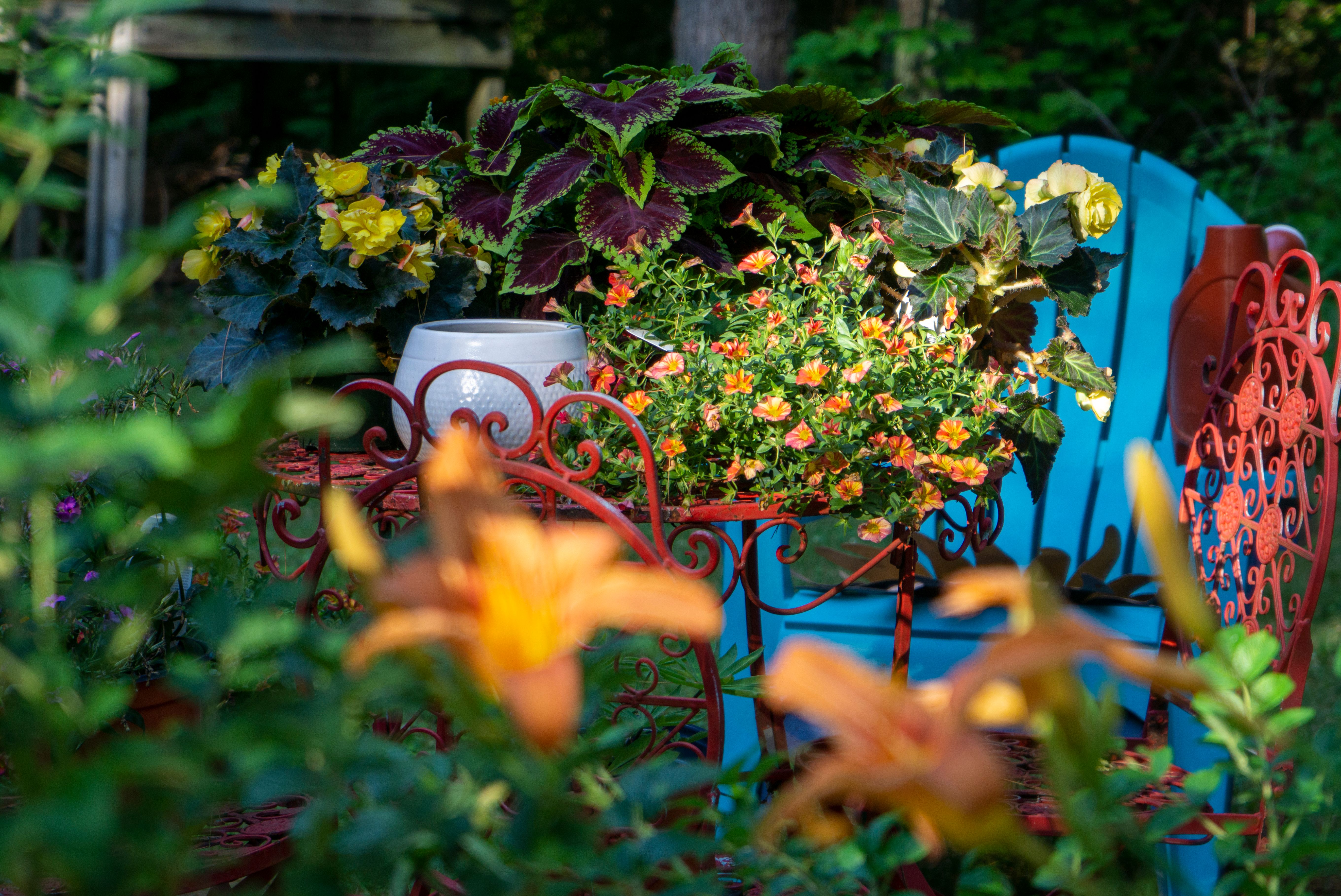
[Photo by Gennifer Miller on Unsplash]
Renovating a Period Property
Understanding Your Home's History
Before you even think about painting or pulling up floorboards, spend some time learning about your home's past. Understanding its history is key to a successful renovation. Look for clues inside the building itself, like original woodwork, hidden fireplaces, or subtle changes in brickwork that tell a story of past changes. You can also check local archives for old maps, photos, or deeds that might reveal more about when it was built and who lived there. This research isn't just interesting; it will guide every decision you make, helping you respect the property's unique story.
Sensitive Design
A good renovation comes down to a design that smoothly blends the old with the new. This is why creating a detailed plan is so important, long before any building work starts. A well-thought-out design will consider how the house flows, how you want to use the space, and where modern updates are necessary. Working with professionals who specialise in heritage properties can be incredibly helpful. Good architects will help you see your property's full potential, suggesting creative solutions that honour its original character while making it suitable for modern living. They can help you reimagine layouts, bring in more natural light, and make sure the final result feels cohesive and authentic.
Balancing Original Features
One of the best things about a period home is its original features, from decorative cornices and sash windows to cast-iron fireplaces and tiled floors. The main rule should be to repair rather than replace whenever possible. Restoring these elements keeps the building's soul alive. When deciding what to keep, focus on features that are central to the property's style and era. It's about finding the right balance; you want to maintain the historical integrity without turning it into a museum. There are many ways to balance modern upgrades with the charm of an older building.
Modern Upgrades
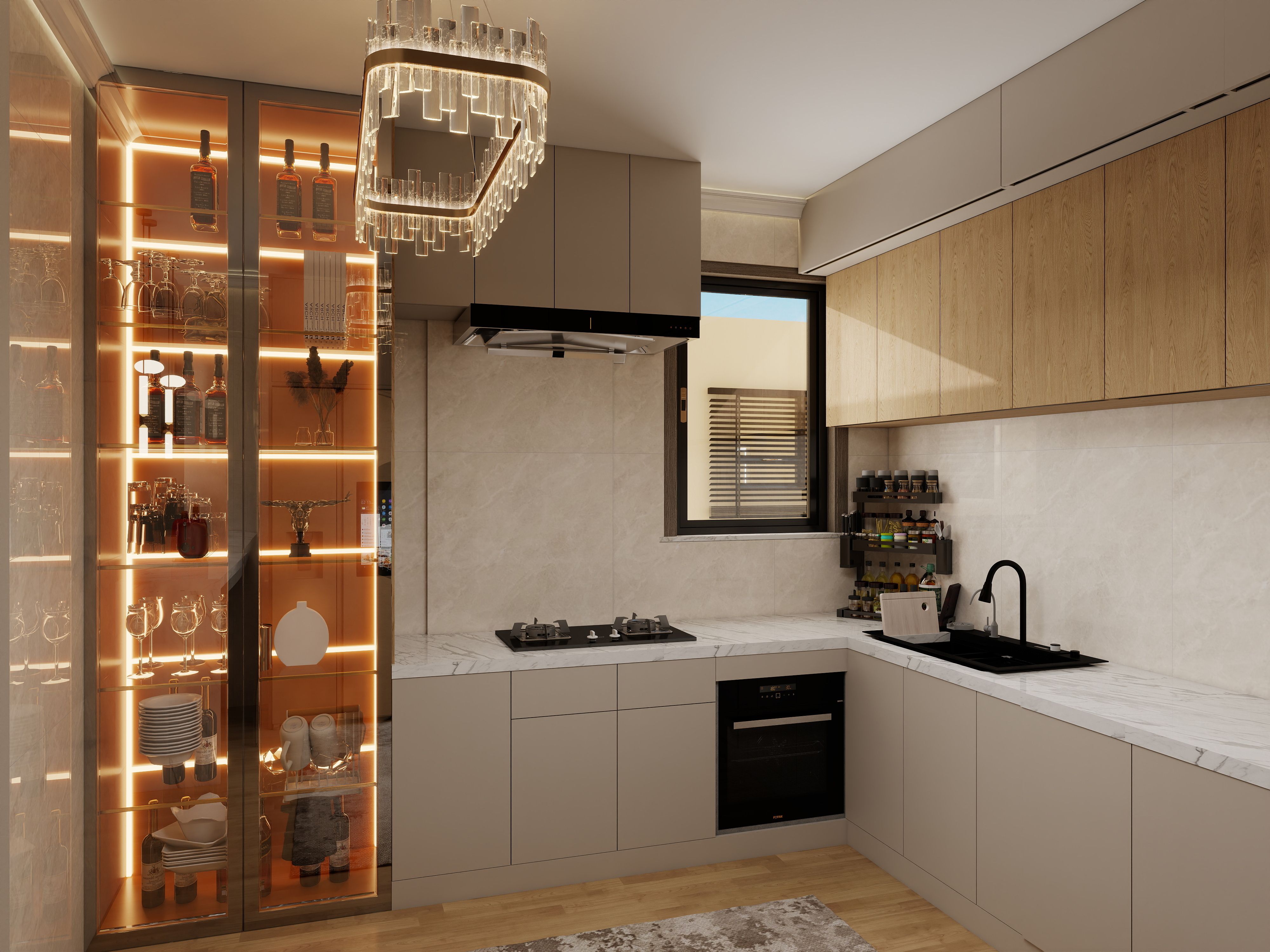
While you want to keep the charm, you also need a home that's comfortable and works well. Modern upgrades, especially in kitchens and bathrooms, are often a top priority. The trick is to pick styles and materials that fit the building's age. For example, a shaker-style kitchen often looks great in a Victorian or Edwardian home. You can also add modern technology discreetly. Think about underfloor heating instead of big radiators, or smart lighting systems that are barely noticeable. The challenge is to decorate a historic home in a way that feels both timeless and comfortable for your family.
Navigating Conservation Rules
If your property is listed or in a Conservation Area, you'll have extra rules and regulations to follow. These exist to protect the historical and architectural importance of the building and its surroundings. Any work that changes the character of a listed building, inside or out, will likely need Listed Building Consent from your local council. This can include anything from replacing windows to moving an internal wall. It's crucial to check with your local planning authority before starting any project to understand what you can and can't do. Failing to do so can lead to big fines and an order to undo the changes.
Finding Specialist Expertise
Working on an older building often requires different skills than modern construction. Materials like lime plaster, traditional timber frames, and old brickwork behave differently and need a specialist touch. When hiring tradespeople, look for those with proven experience in heritage projects. Ask for examples of similar work and talk to previous clients. From carpenters who can repair sash windows to roofers who understand traditional slate, finding the right craftspeople is essential. Their expertise will ensure that repairs and new additions are done carefully and to a high standard.
With careful planning and the right team, you can truly bring a period property back to life. The result will be a home that not only respects its past but is perfectly suited for your future.