AD. Planning a voyage to one of the world's most extraordinary wildlife destinations requires careful consideration, especially when you're investing in a premium experience. The Galapagos Islands offer unparalleled opportunities to witness evolution in action, and selecting the right vessel can make the difference between a good trip and an unforgettable adventure. Here's everything you need to know to make an informed decision about your journey to this remarkable archipelago.
Understanding Vessel Categories and Sizes
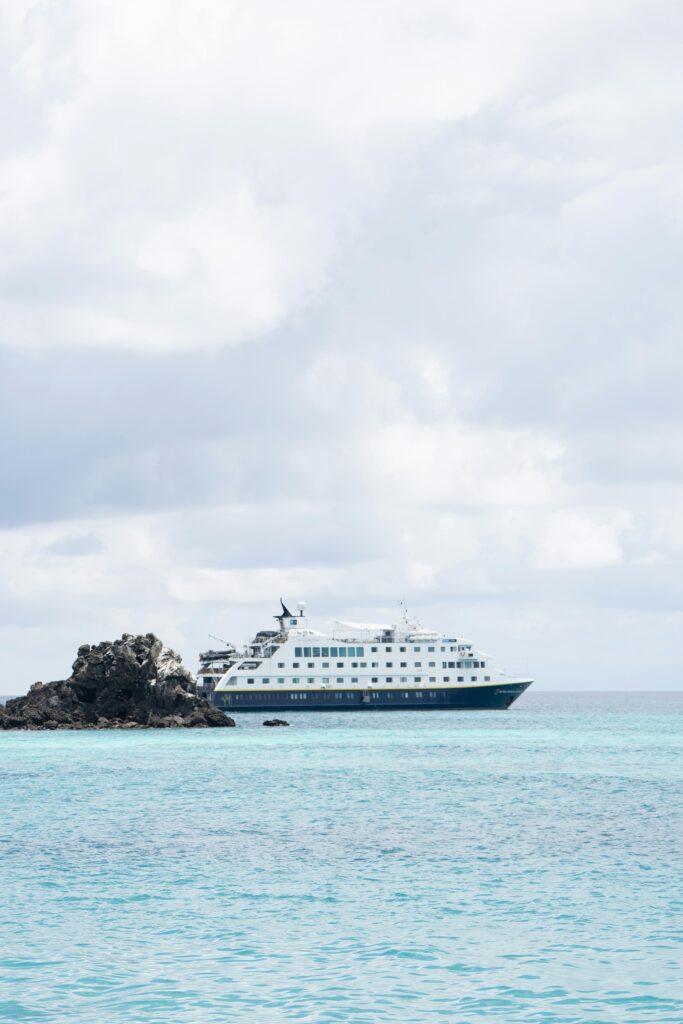
The first major decision involves choosing between intimate yachts and larger expedition ships. Smaller vessels, typically accommodating 16-20 passengers, offer a more personalized experience with greater flexibility in itineraries and landing sites. You'll enjoy more attention from naturalist guides and develop closer connections with fellow travelers.
Mid-sized ships carrying 40-90 passengers strike a balance between intimacy and amenities. These vessels often feature better stabilization systems, more spacious public areas, and enhanced onboard facilities like fitness centers and multiple dining venues. Larger ships provide the most stability in open waters but may have limited access to certain visitor sites due to Galapagos National Park regulations.
Evaluating Itineraries and Island Coverage
Different routes emphasize different aspects of the archipelago. Eastern itineraries typically focus on wildlife encounters, including the famous red-footed boobies of Genovesa Island and the marine iguanas of Santa Fe. Western routes showcase the younger volcanic islands with their dramatic landscapes and unique species like flightless cormorants.
Consider the length of your voyage carefully. While four-day cruises provide a taste of the islands, seven to eight-day itineraries allow for more comprehensive exploration and reduce the rushed feeling that shorter trips can create. Longer voyages also mean you'll spend more time in the remote outer islands where wildlife encounters are often more spectacular.
Assessing Onboard Amenities and Accommodations
Cabin selection significantly impacts your comfort during the voyage. Suites with private balconies allow for spontaneous wildlife viewing and provide personal outdoor space for relaxation. Consider the location of your cabin as well—midship accommodations on lower decks typically experience less motion in rough seas.
Dining quality varies considerably across vessels. The finest luxury Galapagos cruise options feature gourmet cuisine prepared by experienced chefs, often incorporating fresh, locally-sourced ingredients. Look for ships that accommodate dietary restrictions and offer flexible dining times rather than rigid seating arrangements.
Common areas matter too. Well-designed vessels include multiple outdoor viewing decks, comfortable lounges for presentations, and quiet spaces for reading or reflection. Some ships feature hot tubs, while others emphasize naturalist libraries and photography equipment.
Examining Naturalist Guide Credentials
Your guides are the gateway to understanding the islands' complex ecosystems. The Galapagos National Park certifies guides at three levels, with Level III being the highest qualification. Premium vessels typically employ multiple Level III guides, ensuring smaller group sizes during excursions and more specialized knowledge.
Ask about the guide-to-passenger ratio. The best experiences maintain groups of no more than 12-16 guests per guide. This allows for better communication, more personalized attention, and less impact on sensitive wildlife areas. Bilingual capabilities are essential if you're not fluent in Spanish.
Considering Activity Options and Equipment
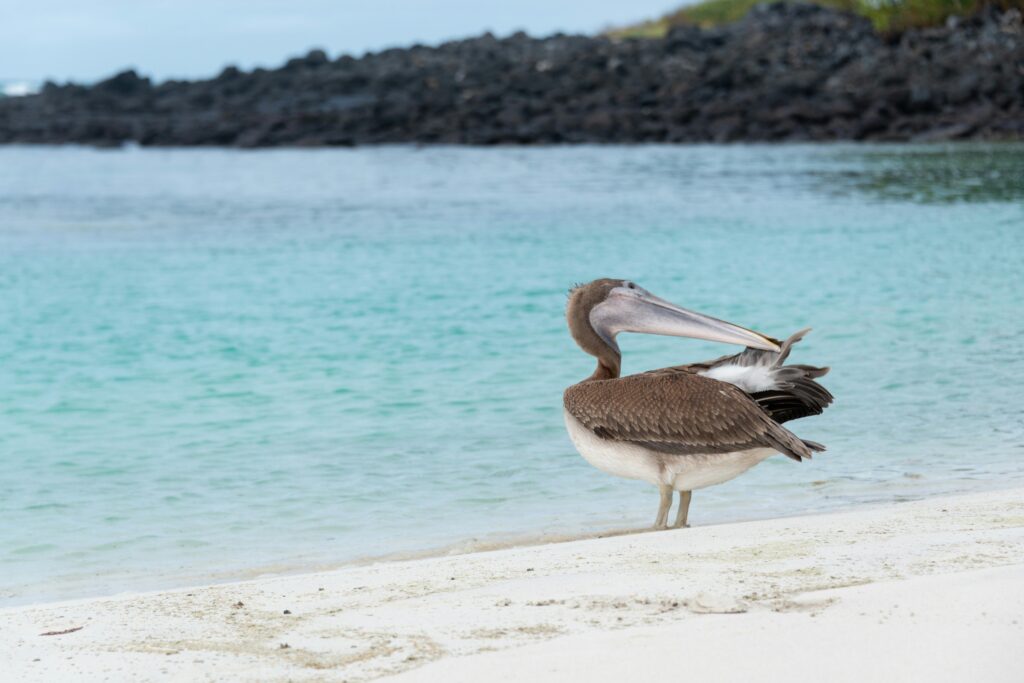
Think about your adventure level when selecting a vessel. Some ships cater to active travelers with extensive snorkeling, kayaking, and challenging hikes. Others focus on more relaxed wildlife observation with gentler walking trails and glass-bottom boat options.
Equipment quality matters significantly. Top-tier vessels provide well-maintained snorkeling gear, wetsuits in various sizes, and sometimes even underwater cameras. Kayaks should be stable ocean-worthy models, and zodiac boats must be in excellent condition with experienced drivers.
Reviewing Sustainability Practices
Responsible tourism is crucial in this fragile ecosystem. Research each vessel's environmental credentials. Look for ships with advanced wastewater treatment systems, energy-efficient engines, and comprehensive recycling programs. Some vessels have achieved carbon-neutral status through various offset programs.
The best operators actively contribute to conservation efforts through partnerships with research organizations or direct funding of park initiatives. These commitments demonstrate a genuine dedication to preserving the islands for future generations.
Making Your Final Decision
Choosing the right vessel ultimately depends on balancing your priorities—whether that's wildlife diversity, onboard luxury, activity level, or environmental responsibility. Read recent reviews from multiple sources, paying attention to comments about guide quality, food, and overall organization.
Remember that the Galapagos Islands themselves are the true star of any voyage. While vessel selection is important, even a modest ship with excellent guides can provide life-changing experiences. Trust your instincts, do thorough research, and prepare for an adventure that will likely exceed your highest expectations in this living laboratory of evolution.