AD. If you are looking for the short answer because you have a flight to catch, here are the five essential health checks you absolutely must prioritise before stepping onto a long-haul plane. First, get a cardiovascular assessment to rule out DVT risks. Second, update your protection against infectious diseases with the right jabs. Third, visit your dentist to ensure no trapped air pockets exist in your teeth. Fourth, check your respiratory fitness if you have any history of asthma or chest issues. Finally, review your prescriptions and get a doctor's letter for any medication you are carrying. That is the summary. But if you value your comfort and safety, you might want to stick around for the details.
Flying long-haul is an endurance sport. I truly believe that.
You sit in a metal tube for twelve hours or more, breathing recycled air, eating questionable food, and trying to sleep in a position that the human body was simply not designed for. It takes a toll. Most of us worry about packing the right adapters or downloading enough movies to an iPad, but we often neglect the biological machine that has to endure the journey. Your body. I have learned this the hard way after a particularly grueling flight to Bangkok where I landed feeling like I had been run over by a lorry. It turns out that a few simple checks with a GP or specialist can save you a mountain of trouble on the other side.
Essential Health Checks Before Your Next Long-Haul Flight
The Heart And Circulation Check
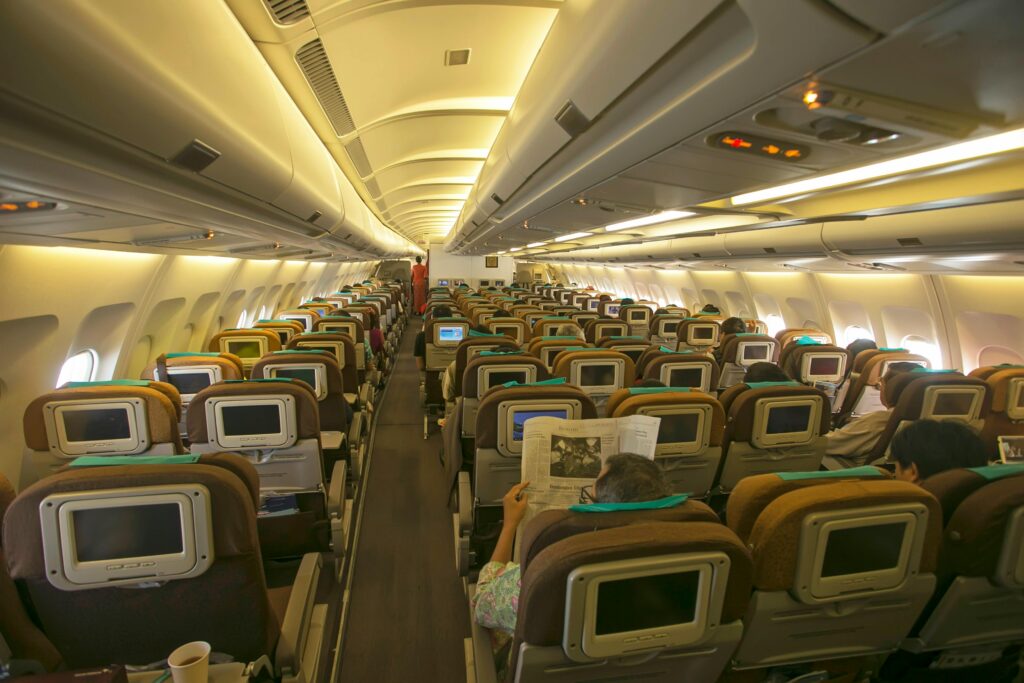
We need to talk about blood clots. It is not the most glamorous topic, I know. But it is probably the most critical one when you are stuck in seat 34B for fourteen hours. Deep Vein Thrombosis, or DVT, is a genuine risk during long periods of inactivity. It is not just something that happens to the elderly or the infirm. It can happen to anyone if the conditions are right.
Before you fly, it is worth popping into your local surgery for a quick blood pressure check and a chat about your circulation. If you have any history of heart issues or clotting in your family, this becomes non-negotiable. Your GP might suggest compression socks. Yes, they look ridiculous. I wear them every time I fly now & I honestly do not care who sees them. They keep the blood moving.
The cabin pressure and the lack of movement create a perfect storm for circulation problems. If you are on medication for blood pressure or heart conditions, you need to know when to take it. Crossing time zones messes up your body clock, and suddenly your "morning" pill is due when it is midnight in London but midday in Tokyo. Ask your doctor for a schedule. It saves a lot of mental maths at 35,000 feet.
Dealing With Infectious Diseases
The UK is safe. We do not have malaria or yellow fever knocking about in Surrey. But the moment you step off that plane in a tropical region, the biological landscape changes entirely. This is where people get complacent. They think they are tough enough to handle a bit of street food or a mosquito bite. You are not.
You need to look into Travel vaccines well before you travel. I am talking at least six to eight weeks before you fly. Some of these jabs need multiple doses to be effective, and you do not want to be rushing this at the last minute. A pharmacist can look at your specific itinerary and tell you exactly what you need. It might be Hepatitis A, Typhoid, or something more obscure depending on where you are going.
It seems like a hassle. I get it. Nobody likes needles. But getting sick abroad is expensive and terrifying. The NHS is not coming to get you in the middle of the Amazon. Getting vaccinated is the single most effective insurance policy you can buy for your health.
That Trip To The Dentist
This one catches people out all the time. You might think your teeth are fine. Maybe you have a slight twinge now and then, but nothing serious. Then the plane climbs.
As the altitude increases, the air pressure in the cabin drops. Physics takes over. Any gas trapped in your body expands. Usually, this just means your ears pop or your stomach feels a bit bloated. But if you have a small air pocket trapped under a loose filling or inside a decaying tooth, that gas expands and has nowhere to go. It presses on the nerve.
The pain is excruciating. It is called barodontalgia. I had a friend who spent an entire flight to New York in tears because of a cavity he ignored. A quick check-up with your dentist ensures everything is sealed tight. It is a simple thing. Yet so many of us skip it because we hate the dentist chair. Just go.
Booking a preventative visit is the best way to avoid mid-flight emergencies and ensure your smile is ready for travel photos. To find a qualified professional for your pre-trip check-up, you can search for a phrase like cosmetic Delray Beach FL or dentist near me.
Breathing At Altitude
Aircraft cabins are pressurised, but not to sea level. They are usually pressurised to the equivalent of about 6,000 to 8,000 feet. If you have ever walked up a mountain, you know the air gets thinner. There is less oxygen to go around. For a healthy person, your blood oxygen saturation drops a little bit, maybe to 90% or so. You might feel a bit tired, but you are fine.
If you have asthma, COPD, or any lingering chest infection, that drop in oxygen can be significant. It can make you feel breathless and anxious. I think it is vital to consult your doctor if you use an inhaler. They might tell you to increase your dosage before the flight or carry a nebuliser. You need to know that your lungs can handle the lower pressure for ten or twelve hours straight.
Also, the air on planes is incredibly dry. It irritates the airways. Drinking water helps, but knowing your respiratory limits is better.
Sorting Your Prescription Paperwork
Imagine landing in Dubai or Singapore, tired and jet-lagged, only to be pulled aside by customs because of the pills in your bag. It happens. Different countries have very different rules about what drugs are legal. Codeine, for example, is available over the counter here in the UK but is a controlled substance in many other places.
You need to review your medication list. Ensure you have enough to last the trip plus a few extra days for delays. But more importantly, get a letter from your GP. It needs to list your condition, the medication, and the dosage. It proves that the drugs are for you and that they are medically neccessary for your health. Without that paper, you are just a person trying to smuggle pills. It is not a good look.
Keep the medication in its original packaging too. Do not decant it into those little daily plastic organisers unless you have the original boxes with you. Customs officers like to see the pharmacy label with your name on it.
Mental Preparation For The Haul
We focus so much on the physical body that we forget the brain. Long-haul flights are psychologically taxing. You are trapped. You have no control. For some people, this triggers massive anxiety. I used to get really jittery about turbulence. It wasn't the motion itself but the lack of control.
If you are a nervous flyer, speak to a professional beforehand. There are techniques you can learn. Breathing exercises. Distraction methods. Sometimes a doctor will prescribe a short course of anti-anxiety medication for the flight itself, though that is becoming less common. It is better to have a strategy than to have a panic attack over the Atlantic.
Sleep deprivation also wreaks havoc on your mental state. If you can, try to shift your sleep pattern a few days before you fly. It rarely works perfectly, but it helps take the edge off.
Insurance And Emergency Plans
This is technically a financial check, but it links directly to your health. Do you actually know what your travel insurance covers? Most people just buy the cheapest option on a comparison site & hope for the best. That is a mistake.
Read the fine print. Does it cover pre-existing conditions? If you have asthma and didn't declare it, and then you have an asthma attack in the USA, your insurer will not pay a penny. You could be left with a bill for thousands. It is terrifyingly common.
Also, if you are travelling within Europe, make sure your GHIC card is in date. It replaced the old EHIC. It gives you access to state healthcare at a reduced cost or for free. It is not a replacement for insurance, but it is a safety net you should have in your wallet.
Final Thoughts
Travel is one of the best things you can do with your time. I love it. There is nothing quite like the feeling of stepping out of an airport into a wall of heat and strange smells. But the older I get, the more I realise that the journey itself requires respect. You cannot just throw yourself across the planet and expect your body to catch up instantly without a bit of help.
These checks might seem like a lot of admin. They are. But they are the difference between a trip of a lifetime and a medical disaster. Take the time. See the doctor. Get the jabs. Check your teeth. Once that is done, you can sit back, put on those compression socks, and actually enjoy the flight. Or at least tolerate it.