AD. To keep your road trip budget under control, you should start with a clear spending limit, and map a fuel efficient route that avoids costly tolls while cutting daily expenses by packing a cooler with groceries instead of eating out. We recommend opting for cost effective lodging like camping, or off-season stays and splitting expenses with travel companions to lower the burden. You can also save significantly by leveraging rewards credit cards for gas cash back, purchasing multi-attraction passes, seeking out free local activities, and timing your trip for the shoulder season to maximise value while ensuring your vehicle is serviced to prevent costly breakdowns.
I love the open road. There is something about the asphalt humming under the tires that just feels right. But let me be honest with you. It is getting expensive out there. If you don't watch your wallet, you might end up broke halfway to the Grand Canyon.
Most people think road trips are the cheap alternative to flying. They can be. But only if you actually plan for it. I have learned this the hard way.
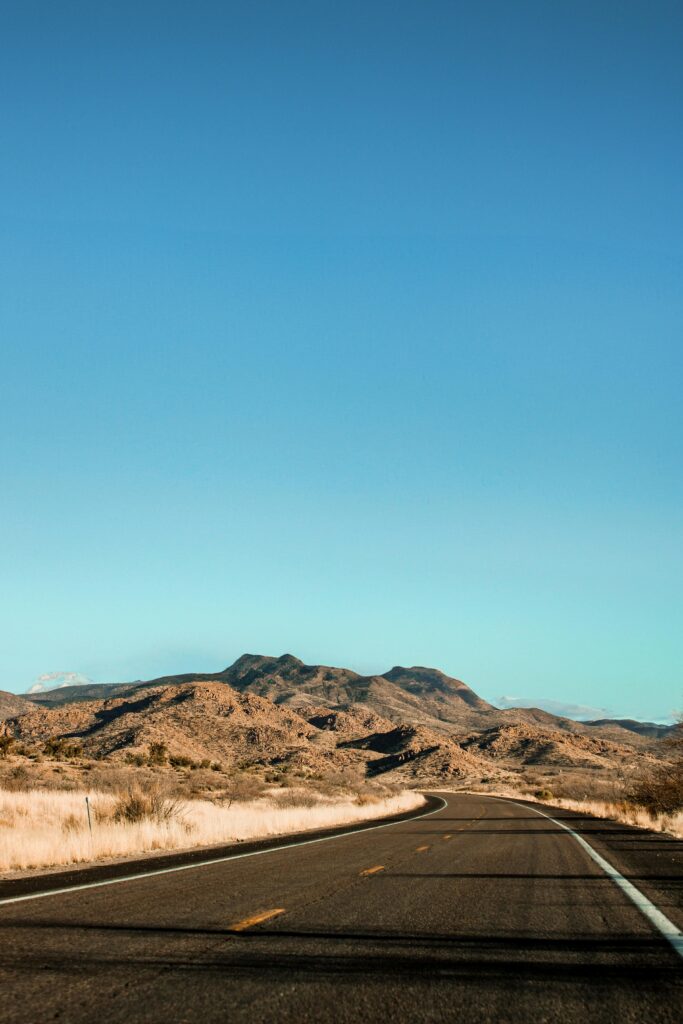
10 Road Trip Planning Tips
1. Set a Hard Limit Before You Start
You need a number. A real number that hurts a little bit when you look at it. Before you even pack a bag or look at a map, you have to decide exactly how much you are willing to burn. I think a lot of people skip this part because it feels restrictive. And it kind of kills the vibe of freedom.
But here is the reality. According to recent data, about 93% of Americans plan to travel in 2026. That is a massive number. Yet 71% of those people are actively budgeting because expenses are climbing. Flights and lodging are the top concerns, but if you are driving, you have to look at the whole picture. You are not just paying for gas. You are paying for food, sleeping, and the random stuff you buy at gas stations because you're bored.
I usually take my total budget and subtract 10% right off the top. That is my emergency fund. If I don't use it, then great. I have extra cash for a nice dinner at the end. But usually something comes up. A flat tire or a sudden need for a motel room because the campground is flooded.
When you set that limit, write it down. Put it on your phone. Look at it every morning of the trip. It keeps you honest. It stops you from buying those overpriced souvenirs you definitely don't need.
2. Map the Route to Avoid the Toll Trap
Tolls are the silent killer of road trip budgets. You are driving along, enjoying the scenery, and suddenly you are handing over twenty bucks to cross a bridge. It adds up fast. It's easy to spent over a hundred dollars on tolls in a single day on the East Coast. Never again!
You have to plan your route with this in mind. Most GPS apps have a setting to avoid tolls. Turn it on. Sometimes it adds an hour to your drive. Who cares. You are on a road trip. The back roads are usually prettier anyway. You see small towns and quirky roadside attractions instead of just concrete barriers.
Fuel efficiency is the other part of this equation. Driving fast burns more gas. It is just physics. If you slow down a bit, you save money. Plus, avoiding the interstate often means lower speed,s which helps your miles per gallon.
Technology is your friend here. About 55% of travelers are using AI tools to build itineraries now. You can use these tools to find the most efficient path that skips the toll booths. It takes a little more work upfront but your bank account will thank you later.
3. The Fuel Strategy You Can't Ignore
Gas prices are volatile. They jump up and down like a nervous cat. If you just pull into the first station you see, you are probably overpaying. I make it a habit to check fuel prices constantly. It sounds obsessive, but the difference can be fifty cents a gallon or more, depending on where you are.
You need to use apps for this. I rely on GasBuddy to see what is coming up on the road. It is simple. You open it up, and it tells you where the cheap gas is. Why pay more if you don't have to? It makes no sense. The experts agree with me on this. They say proactive price checks are a core tactic for value-driven planning.
When you compare costs, you should look across state lines, too. Sometimes crossing a border saves you a significant amount because of tax differences. I always fill up before entering a state I know is expensive. It is a small game I play to beat the system.
Also consider when you buy. Prices often creep up on weekends. I try to fill up early in the week if I can. It is a small detail, but when you are driving thousands of miles, it matters. You have to watch the rates in real time because they change fast. Don't assume the sign you saw yesterday is still accurate.
4. Stop Eating Your Budget at Drive-Thrus
Food is where most people lose the battle. It is so easy to grab a burger and fries every time you stop. It is fast & it is hot. But it is also expensive when you do it three times a day for a week. Incentive travel budgets show that food and beverage averages 25% to 35% of total spend. That is a huge chunk of money.
The solution is a cooler. A good one. Pack it with groceries before you leave. Sandwiches, fruit, and yogurt. Water bottles you refill instead of buying new ones. I know it sounds less exciting than a restaurant. But eating a sandwich at a scenic overlook is actually pretty great.
I am not saying you can never eat out. You should try local food. That is part of the experience. But make it a treat, not a default. Save the restaurant money for a place that is actually special. Not some chain you can eat at back home.
If you do eat out, try to do it for lunch instead of dinner. Lunch menus are usually cheaper. Same foo,d just better prices. It is a simple trick that works almost everywhere.
5. Sleeping Cheap Without Sleeping Rough
Hotels are the other budget buster. 16% of people have canceled trips recently just because of hotel costs. That is sad. You shouldn't have to cancel. You just need to be creative with where you sleep.
Camping is obviously the cheapest option. If you have the gear, it can cost next to nothing. State parks are usually affordable and beautiful. But I know camping isn't for everyone. Maybe you need a real bed. I get it. My back isn't what it used to be either.
Look for off-season stays. If you travel when everyone else is working, rates drop. This is the shoulder season concept. You get the same room for half the price just because it is Tuesday in October instead of Saturday in July. It makes a massive difference.
Another option is staying a bit further out. Hotels right next to the big attractions charge a premium. Drive twenty minutes away, and the price drops. It is worth the extra drive time to save fifty bucks a night. Sometimes the smaller motels are actually cleaner than the big chains anyway. It is hit or miss, though, so check reviews.
6. The Art of Splitting Costs
If you can convince friends to come with you, the math changes completely. Splitting gas and lodging makes everything cheaper. Suddenly, that nice Airbnb isn't so unaffordable when you divide it by four. It is simple economics.
But you have to be careful with this. Money ruins friendships if you aren't clear about it. You need to agree on how you split things before you leave. Do you split gas evenly, even if one person drives their own car? What about food if someone orders lobster and you order a salad?
There are apps for this, too. I use Splitwise to track everything. You just put in who paid for what, and it does the math at the end. It saves so many arguments. Nobody has to be the nagging accountant.
Just make sure your travel companions have the same budget mindset as you. If they want luxury and you want budget, it is going to be a disaster. I once traveled with a guy who refused to stay anywhere under four stars. It was a nightmare for my wallet. Never again.
7. Rewards Cards Are Your Best Friend
If you are paying with a debit card or cash, you are leaving money on the table. You should be using a rewards credit card. Specifically, one that gives you cash back on gas. Some cards offer 3% or even 5% back at the pump. That is basically a discount on every gallon.
About 31% of budgeters leverage travel rewards. It is smart. You are going to spend the money anyway. You might as well get something back for it. I use the points I earn on gas to pay for hotels later in the trip. It feels like free money.
Just make sure you pay it off. If you carry a balance, the interest will eat up any rewards you earn. That defeats the whole purpose. Be disciplined about it.
Also check for offers. Sometimes cards have special deals for dining or specific stores. You have to activate them in the app, usually. It takes two seconds. It is worth checking before you swipe.
8. Pre-Booking and Maintenance
This is the boring part. Nobody likes taking their car to the shop. But a breakdown on the highway is the most expensive thing that can happen to you. Tow trucks are not cheap. Emergency repairs in a small town where you have no choice are even worse. They know you are stuck, and the price reflects that.
Get your oil changed. Check your tires. Make sure your spare is actually inflated. I learned that the hard way on a dark road in New Mexico. It was not fun. A hundred bucks of maintenance now can save you a thousand later.
Booking early helps too. Travel strategists recommend booking transportation months ahead. While you are driving your own car, this applies to lodging. If you book a hotel six months out, you usually get a better rate than walking inon the day. It locks in your cost.
Sometimes plans change, I know. But having a few key reservations can anchor your budget. You know those nights are paid for. It gives you peace of mind. Plus, you don't have to worry about finding a room with "no vacancy" signs everywhere.
9. Timing Is Everything
I mentioned shoulder season before, but it deserves its own section. Timing is the single biggest factor in cost. If you go during Spring Break or Fourth of July, you are paying top dollar for everything. Gas is higher. Hotels are higher. Even food seems more expensive.
Try to travel in May or September. The weather is usually still good. The crowds are smaller. And the prices are reasonable. It is a completely different experience. You aren't fighting for parking spots or waiting in line for hours.
Weekdays are cheaper than weekends. If you can shift your trip to start on a Tuesday and end on a Thursday, you will save money. Lodging rates plummet mid-week in tourist towns. It is just supply and demand.
Sometimes you can't help the timing. School schedules and work dictate when we can go. But if you have any flexibility, use it. It is the easiest way to save without sacrificing anything. In fact the trip is usually better because it is quieter.
10. Look for Free Stuff
You don't have to pay for entertainment. Some of the best things on a road trip are free. Hiking trails. Scenic drives. Weird roadside statues. They cost nothing. I spend hours just walking around small downtowns looking at architecture.
Local papers or websites often list free events. Concerts in the park or farmers' markets. It is a great way to see a place without opening your wallet. You just have to look for it. It isn't always obvious.
Museums often have free days. Or they are cheap enough that it doesn't matter. National Parks have an entry fee, but if you go to a few of them, buy the annual pass. It pays for itself after three visits. That is a huge savings if you are doing a big loop out West.
Don't fall for the tourist traps. The places with the flashy signs are usually a rip-off. Ask a local where they hang out. They will point you to the cool spots that are usually cheaper or free. Trust the locals. They know better than the billboards.
The Bottom Line
Road trips are about freedom. But freedom isn't free. It costs gas, food, and time. I think we forget that sometimes. We get caught up in the romance of the road and forget to do the math. But if you plan it right, you can have an amazing time without going broke.
It takes a little effort. You have to watch the numbers. You have to be willing to eat a sandwich from a cooler sometimes. But it is worth it. Because when you get home and look at your bank account, you won't feel that sinking feeling of regret. You will just have the memories. And maybe a few points on your credit card for the next one.