The combination of the frosty outdoor temperatures and the harsh indoor heating during the winter months creates a perfect storm for a dehydrated, compromised skin barrier. These conditions can quickly accelerate visible ageing. The key to combating this is by being smart about layering your products. Keep reading for the step-by-step guide on how to strategically apply your anti-ageing products for maximum absorption and protection this winter.
[Photo by Shiny Diamond]
Establishing a Humectant Base
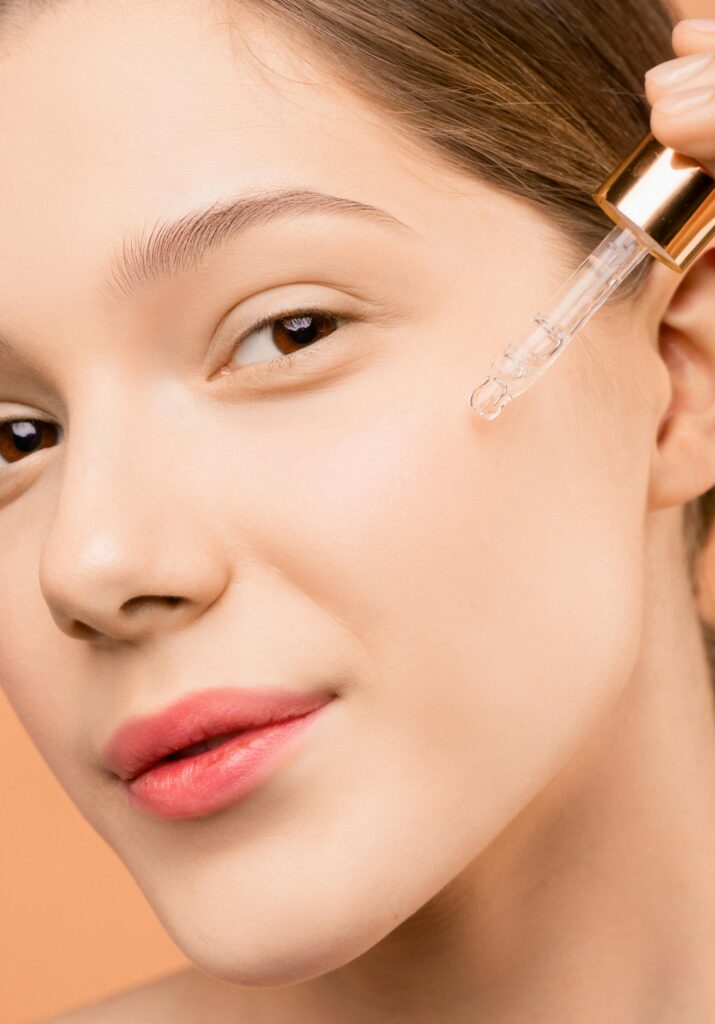
Every effective evening skincare routine should always start with a clean, hydrated canvas. During the wintertime, you can swap out your foaming or exfoliating cleansers for more gentle, non-stripping formulas that remove impurities without compromising your barrier. After cleansing, apply a hydrating serum that is rich in humectants, like hyaluronic acid, to damp skin, as this helps to lock in water and prime your complexion for subsequent treatments.
Once you have your hydrating base layer down, after using a hyaluronic acid serum, for example. You can layer your anti-aging products, such as vitamin C or a lightweight antioxidant serum, before you use your thick moisturisers. With this layering technique, it ensures that your skin receives deep hydration first, enhancing the penetration and effectiveness of all the active ingredients that follow.
The Active Sandwich
Powerful actives like retinoids and alpha hydroxy acids (AHAs) used in the winter can feel harsher than usual with the dry air. To maintain results without irritation, use the "sandwich method." This method consists of firstly applying a light moisturiser, then your active retinoid or AHA, followed by a thin layer of moisturiser on top to set the products. A buffering technique reduces dryness and flaking while allowing your active ingredients to do their job effectively.
Try decreasing the frequency of use to every other night if your skin still feels tight or sensitive, rather than being consistent daily. In winter, consistency matters more than intensity, and with a balanced approach, you can still continue to reap the long-term benefits of having a smoother texture and fewer fine lines without having to compromise comfort or barrier health.
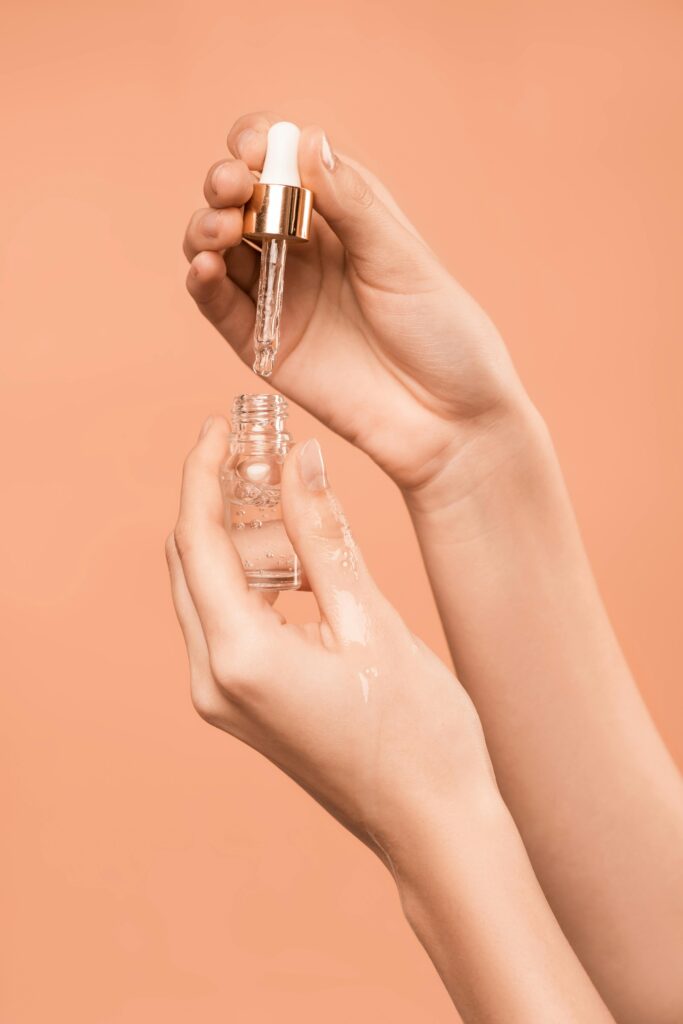
The Critical Role of Barrier Repair
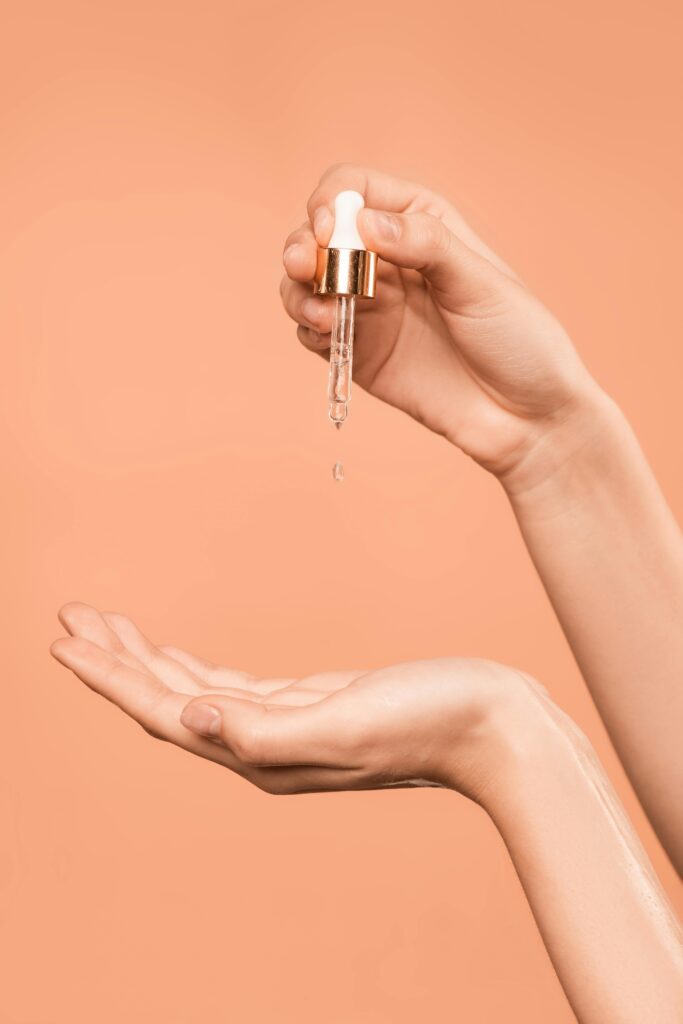
The final evening step is your occlusive layer. Using a rich, barrier-repairing moisturiser that locks in both hydration and protects the skin against cold-weather damage. Look for formulations that are both high in ceramides and fatty acids, which are the essential lipids that make up the natural barrier of our skin. These components replenish what cold air and heating indoors strip away, preventing moisture loss and irritation.
Reinforcing your ceramide levels helps reverse dryness and flakiness, which are two common culprits that can make the skin appear older than it is. Think of this as your skin’s overnight recovery coat, as it helps every layered product beneath the skin work more effectively.
Daytime Protection: Anti-Ageing's Non-Negotiable Last Step
UV rays are one of the leading causes of premature ageing, even in winter. UVA light penetrates clouds and glass, meaning that your skin can still be exposed whether you’re working by a window or taking a brisk walk outdoors. In the morning, start your routine by using a professional skincare antioxidant such as vitamin C to protect against free radicals, followed by a broad-spectrum SPF 30 or higher.
Sunscreen is a year-round essential and isn’t just for the summer! It’s essential for preserving even tone and radiance. Pairing antioxidants along with SPF can provide double defense, as one adds a protective layer on the skin from environmental damage and the other blocks UV exposure.