In the depths of winter, your bathroom should feel like a warm, welcoming retreat, not a chilly, unwelcoming space. Renovating for winter means more than just making the space look better, too. If you’re planning some upgrades, your priorities should concern the insulation, heating and ventilation first. Upgrading the bathroom’s core materials will help the room to withstand the season. To help you create a cosy, efficient, and stylish space, here are your focus areas for a winter bathroom renovation.
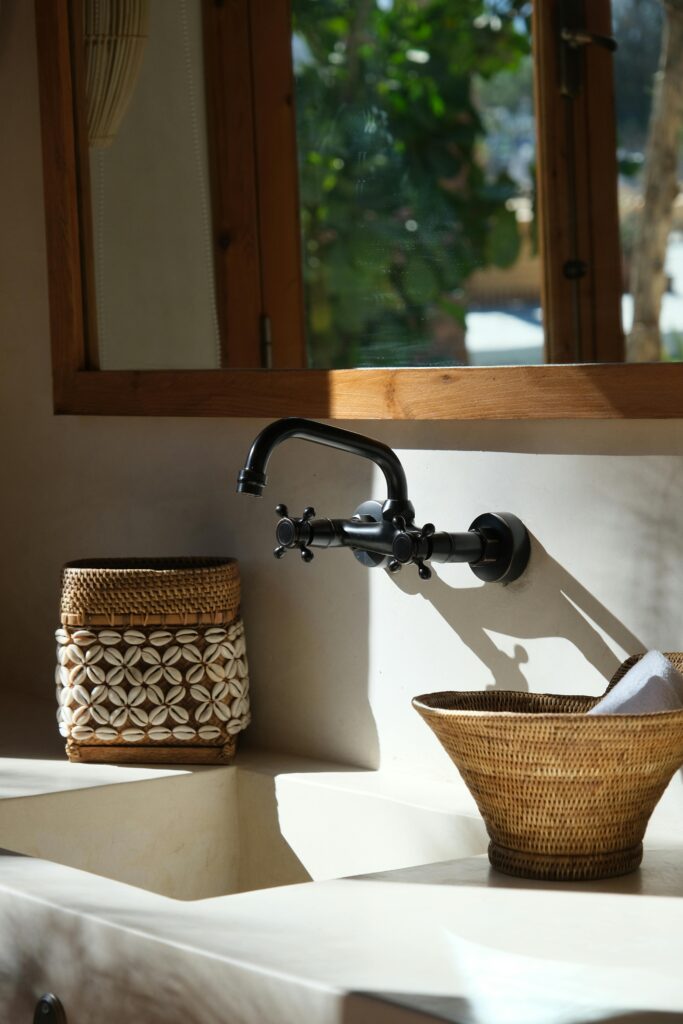
[Photo by casa lalla takerkoust]
Renovating for Winter
Insulation and Draught Proofing
To truly turn your bathroom into a warm haven during the colder months, you’ll need to address heat loss. Start by carrying out checks of your current insulation and draught proofing situation.
According to the Energy Saving Trust, an insulated home typically loses around a quarter of its heat through the roof. This means that if your bathroom is on the top floor, a significant amount of heat could be escaping.
Focus firstly on sealing the edges where the skirting meets the floorboards. Next, you can turn your attention to the windows and doors, using flexible sealant to fill cracks around the frames. A simple draught excluder under the door could make a noticeable difference.
Heating Upgrades
Choosing the right heating system is very important for creating a comfortable environment in every room in the house.
When you’re choosing between radiators and heated towel rails, you’ll need to calculate the required heat output (measured in BTUs or Watts) according to the bathroom’s size and ceiling height. It’s important to choose the right size unit, as this will heat the room without wasting energy.
Underfloor heating could be a game-changer. It’s always a smug feeling to have toasty toes on a cold morning, but this also provides a consistent warmth that rises and effectively heats the rest of the bathroom. Meanwhile, heated towel rails can help you to keep damp towels dry.
Ventilation and Lighting
It’s important to balance proper ventilation with heat retention. You’ll need to let excessive water vapour out, as this will prevent excess condensation and eventually mould too. Humidity-sensing extractor fans can help with this if you don’t have a bathroom window.
Meanwhile, low-energy bulbs help your bathroom to be greener too. Installing layered, warm-tone LEDS on the walls alongside high-quality bathroom mirrors make your bathroom brighter and more atmospheric too.
Choosing energy saving fixtures will help you to save money on your energy bills long-term. Low flow shower heads can still give you a high-pressure shower experience, while water-saving taps help to preserve water too.
Winter Friendly Materials
Finally, the materials and finish you choose could make or break your bathroom’s suitability for winter use. While polished stones and ceramic tiles are the most durable, they can feel shockingly cold to the touch.
You can counter this by swapping to warm-tone materials and textures. For example, switching to wall panels could help your bathroom to visually and functionally feel warmer. Incorporating warm metallics like brushed brass or copper help to invite a cosy glow.


One thing I do dislike about Winter is getting in and out of the bath because of the low temperatures! These are great tips for renovating the bathroom for Winter x
Lucy | http://www.lucymary.co.uk