AD. There’s something effortlessly charming about a well-kept lawn. Not the stiff neatness of artificial turf, but that soft, living green that invites bare feet and admiring glances. The secret often lies in choosing the right fertiliser. When your lawn gets exactly what it needs, it rewards you with vibrant colour and healthy growth. But every lawn is different. What works wonders for one may leave another looking patchy. Soil, grass type, and local climate all play a part. Get it right, and your garden becomes the envy of the street. Let’s walk through this guide together and get it just right.
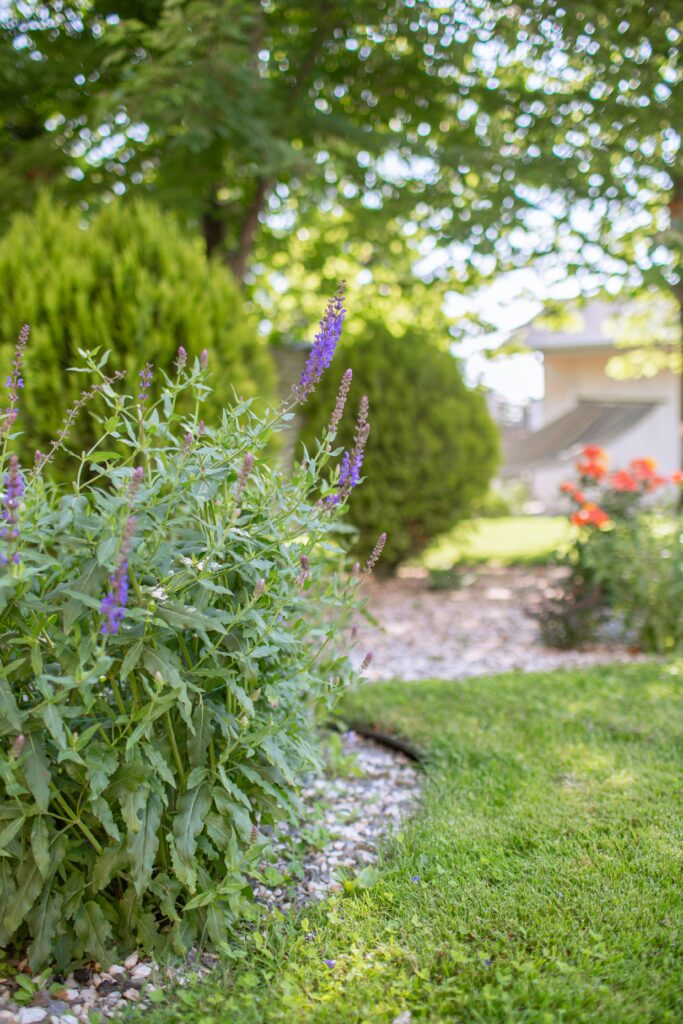
[Photo by Tatyana Rubleva on Unsplash]
Knowing What Your Lawn Needs
Begin with the soil. It may not look like much, but it holds the answers. A simple soil test reveals which nutrients are present, which are missing, and where the balance is off. Different grass species have different appetites, so knowing what’s underfoot is half the battle. Once you’ve got the results, pay attention to how your lawn behaves after feeding. If the blades look pale or a bit floppy, it’s probably asking for more nitrogen. On the other hand, if it’s suddenly growing like it’s had too much coffee, you’ve overdone it. It’s all about finding the right rhythm. A steady, responsive approach beats blind guesswork every time. And if it all feels a bit much, professional lawn care can be a worthwhile investment, saving you time while keeping your lawn in peak condition.
Different Types of Fertilisers
Not all fertilisers are created equal. Some are patient and gentle, like traditional compost or blends with blood and bone. These work slowly, seeping into the soil over time. Perfect if you’d rather not be out every fortnight reapplying. Then there are the fast-acting options, which are usually synthetic and sometimes liquid. They promise dramatic results in a short space of time. Liquid fertilisers, in particular, are brilliant for quick turnarounds. They’re absorbed rapidly, boosting growth and thickening coverage within days. That said, they’re not for the faint-hearted. You’ll be out more often keeping up appearances. It’s also worth checking the rules. Some areas frown upon certain chemical-rich options due to runoff concerns. A brief look at local guidelines can save you a fine or a frown from the neighbour with the environmental conscience. In short, the best choice depends on what your lawn is crying out for, and how much time and energy you’re willing to devote. For low-maintenance gardeners, organic or slow-release varieties are ideal. For those chasing dramatic results, faster options can work wonders, provided you’re mindful of their impact.
Reading the Label
Here’s where things get surprisingly technical. Fertiliser bags usually sport a trio of numbers—something like 10-5-5. That’s the N-P-K ratio: nitrogen, phosphorus, and potassium. Each plays a specific role. Nitrogen fuels that rich green colour. Phosphorus strengthens roots and supports early growth. Potassium, meanwhile, helps the grass handle stress, be it heat, footfall, or pests. Some blends also include trace elements like iron or magnesium, which can be handy if your soil’s lacking. The key? Don’t guess. Read the label and follow the instructions carefully. Simply put, more isn't better. It's costly and frequently harmful. And if you’re ever unsure, opt for a balanced formula. It’s a safe bet for most lawn types and won’t tip things out of proportion.
Feeding by Season
Timing matters just as much as the mix. Grass, like most living things, has its seasonal moods. In spring, when growth kicks back in, it craves nitrogen. A nitrogen-heavy fertiliser helps it wake up from winter and face summer with strength. Come autumn, it’s time to slow things down. For the colder months, switch to a slow-release blend that’s kinder to the roots and feeds them. This helps the grass get ready to grow back healthier in the spring. Matching your fertiliser to the season isn’t just logical—it’s effective. Your lawn’s needs change throughout the year, and your approach should follow suit. Think of it like changing wardrobes. You wouldn’t wear sandals in January, would you?
Thinking About the Environment
Every gardener worth their salt should spare a thought for the environment. Lawns might seem harmless, but fertiliser runoff can wreak havoc on local waterways. That’s why organic options are gaining ground. They break down slowly, improving soil health and reducing pollution. Where chemical fertilisers often act like a sugar rush, organic ones are more like a well-rounded meal. They support microbial life in the soil, keep things balanced, and reduce the risk of overfeeding. It’s better for your lawn, and far better for the planet. Before buying, check local regulations. Some councils restrict high-phosphate or fast-acting products to protect water quality. It’s worth staying on the right side of these rules, not just legally, but ethically. When applying, be precise. Use a spreader, not your hands. Avoid scattering near drains, and water lightly afterwards to help nutrients settle. Precision now saves problems later. In the end, sustainable gardening isn’t just about trends. It’s a genuine step towards living a little more gently on the land.
How to Apply It Properly
Technique counts for more than you think. A good fertiliser used badly is just a waste. Start by choosing the right spreader for the job—rotary for big spaces, drop spreaders for tighter corners. Check the weather too. Dry conditions are ideal, but not when it’s scorching hot. Early mornings or cool evenings work best. You want the fertiliser to soak in slowly, not evaporate within minutes. If you’re using strong chemicals, protect yourself. Gloves, a mask, maybe even old clothes. It can seem excessive, but your skin and lungs will thank you. And whatever you do, don’t overdo it. Grass has limits, just like us. Granular fertilisers need a light watering afterwards. Liquids likely call for a second round later in the season. The key is consistency. Small, well-timed applications work better than big, irregular ones. Get this right, and your lawn rewards you handsomely. It’s less effort in the long run, too.
Keeping Costs Down
Caring for your lawn shouldn’t drain your bank account. There are savvy ways to get top results without spending a fortune. Bulk buying, for instance, can save a fair bit. Larger bags cost more upfront but less per use. Keep an eye out for seasonal deals at garden centres or online—spring and autumn tend to offer the best bargains. Better still, make your own. Composting kitchen scraps, leaves, and grass clippings creates a nutrient-rich blend tailored to your garden. If you’ve got access to well-aged manure, that’s another excellent, wallet-friendly choice. Local gardening groups or community allotments often pool resources. Some even offer free or discounted fertiliser to members. It's worth asking around. Lastly, don’t overlook slow-release varieties. While the price tag might raise an eyebrow, they require fewer applications over time—saving you effort and money. It’s the gardening equivalent of buying quality shoes instead of replacing cheap ones every year.
Watching and Tweaking
Even the best-laid lawn plans need a bit of tweaking. No two gardens respond the same way, so pay attention. Is the grass dull or patchy? You’ll probably need more nitrogen. Is it growing like mad and flopping over? It's time to back off. Adjust your mix as the seasons shift. In the height of summer, excess nitrogen can put your lawn under strain, so it’s best to ease off and switch to something gentler once autumn rolls in. A notebook can work wonders here as well. Track what you’ve used, how much, and when. Over time, patterns emerge. You’ll spot what works, what doesn’t, and how your lawn reacts to different treatments.
Conclusion
Creating a thriving lawn isn’t about quick fixes or flashy products. It’s about understanding the soil beneath your feet, choosing fertilisers that match its needs, and applying them thoughtfully. Stay attuned to seasonal changes, lean towards eco-friendly choices, and keep an eye on cost-effective strategies. Not every lawn requires constant pampering. Often, a little knowledge and a light touch go further than brute effort. Fertilise with care, adjust when needed, and give your lawn room to breathe. Do that, and you’ll have something truly worth showing off, not just this year, but for many to come.