AD. Playrooms are one of those spaces that start out with the best intentions: colourful storage boxes, soft rugs, maybe even a Pinterest-inspired reading nook. But fast forward a few months and it’s more likely to resemble a toy explosion, with puzzle pieces in your slippers and plastic animals setting up camp under the sofa.
We’ve all been there.
The good news? You don’t need to spend a fortune (or your entire weekend) trying to transform your child’s playroom into something out of a magazine. It’s 100% possible to create a space that looks good, works well, and actually gets used without sacrificing your sanity or style.
Here are some realistic, parent-approved tips to help you furnish a playroom that ticks all the boxes: fun, functional, and not too chaotic.
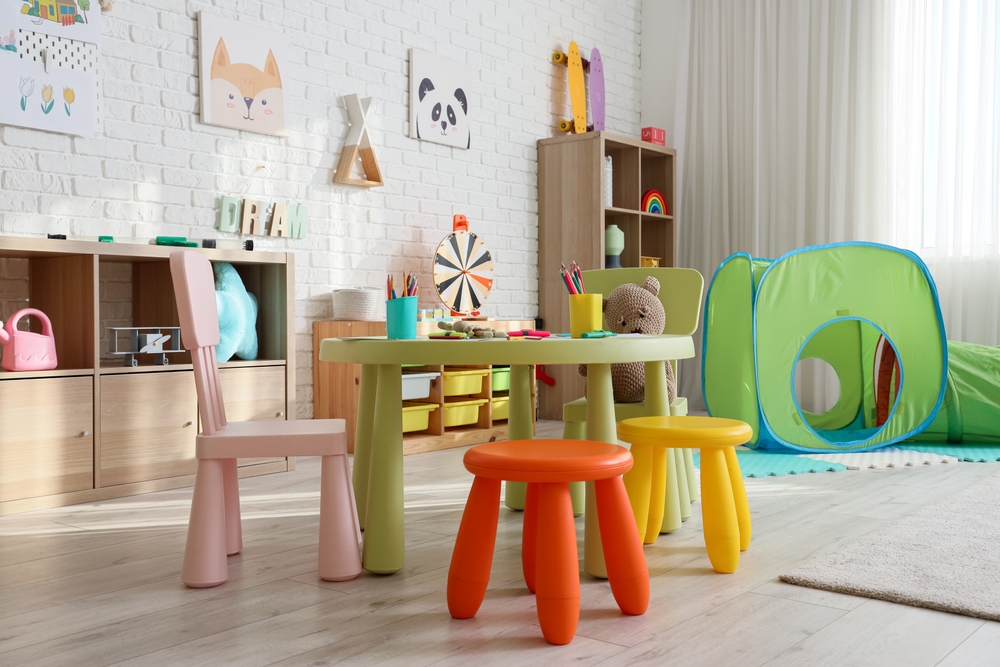
1. Embrace the Foam Life
Foam furniture might not sound exciting, but trust me, it’s a game-changer when it comes to furnishing a child-friendly space. Whether it’s a fold-out mat, climbing blocks, or a comfy children’s sofa, foam pieces are soft, safe, and ridiculously easy to move around.
Kids can drag them, jump on them, build forts with them and, best of all, you don’t have to worry about sharp corners or mini bruises. It’s especially great for toddlers who are still mastering the art of walking without toppling over every five minutes.
Plus, most foam furniture comes with removable, washable covers. So when the inevitable happens (yogurt handprints, felt-tip art, or mystery stains), you can just chuck it in the wash and pretend it never happened.
2. Go Big on Multipurpose Furniture
When you’re furnishing a playroom, think less "what looks cute on Instagram" and more "how many things can this one piece of furniture do?"
Multipurpose furniture is an absolute lifesaver. A toy box that doubles as a bench? Yes, please. A table with storage underneath for colouring books and crayons? Genius. Even something as simple as stackable stools can make a big difference — use them for tea parties one minute, pop them under the desk the next.
Not only does this help maximise space (especially if your playroom has to share duties with a guest room or home office), but it also means fewer items cluttering up the room.
3. Keep Storage Low and Simple
If there’s one thing I’ve learned since becoming a parent, it’s that storage needs to be easy. Not just for you but for your child. The lower and more accessible it is, the more likely they are to actually use it. (Tidying up might even happen without a full-blown tantrum. Miracles do exist.)
Open shelves, clear tubs, and labelled baskets work wonders. If your little one isn’t reading yet, go for picture labels — a photo of cars on one box, books on another. It helps them learn where things go, and gives them a sense of ownership over their space.
And remember: less is more. It’s okay not to have every toy on display. Store some away and rotate them every few weeks — it keeps things feeling fresh and cuts down on overwhelm (for both of you).
4. Leave Space to Actually Play
This one sounds obvious, but it’s easy to forget. In the excitement of filling the room with furniture, toys, and Pinterest-worthy details, we sometimes forget to leave actual play space.
Don’t feel like you have to fill every corner. Leave a good chunk of open floor, pop down a soft rug or foam mat, and let your child’s imagination do the rest. Whether it’s building a racetrack, setting up a teddy bear picnic, or just having a good old-fashioned wiggle session, kids need room to spread out and move.
If you’re tight on space, foldable or stackable furniture can really help here. Things like foam pouffes or fold-up slides are easy to tuck away when not in use.
5. Add Personality — Without the Clutter
You don’t need to go all-out with themed wallpaper and matching curtains (unless that’s your thing!). A few well-chosen personal touches go a long way in making the space feel fun and welcoming.
Think framed artwork (bonus points if it’s your child’s own creations), some fairy lights, a chalkboard wall, or removable wall decals they can help pick out. Letting them have a say in how the space looks, even just choosing a colour or a cushion, can help them feel like it’s truly theirs.
And when kids feel connected to a space, they’re more likely to actually use it… and maybe even keep it tidy now and then. Maybe.
Final Thoughts
Furnishing a playroom doesn’t have to be overwhelming, expensive, or Insta-perfect. It just has to work for your family.
Stick with practical, adaptable pieces like foam furniture, embrace clever storage, and don’t stress if things don’t always look picture-perfect. At the end of the day, it’s a space for fun, for creativity, and for being gloriously, wonderfully messy.
Because that’s what childhood is all about, isn’t it?

I feel like foam furniture is definitely a must for playrooms!! And absolutely leaving space for them to actually play - I bet this genuinely gets so overlooked! x
Love this, I really want to transform the play area in our living room for my son, but I've been totally stuck on where to start!
Corinne x
I would love more space in my house for my little one. Foam furniture and more Montessori style playing would be amazing for his learning and independence!
Rosie
Foam furniture has got to be a must for children's playrooms! x
Lucy | http://www.lucymary.co.uk