AD. Buying a holiday home is the dream, right? A peaceful retreat in the countryside, a bolt-hole by the sea, or even a chic little flat in a buzzing city you love visiting. But before you throw your savings at a charming cottage with sea views, it’s worth taking a breath and thinking things through. A holiday home can be a fantastic investment – emotionally and financially – but only if you go in with eyes open.
Here’s what you really need to consider before buying your perfect escape.
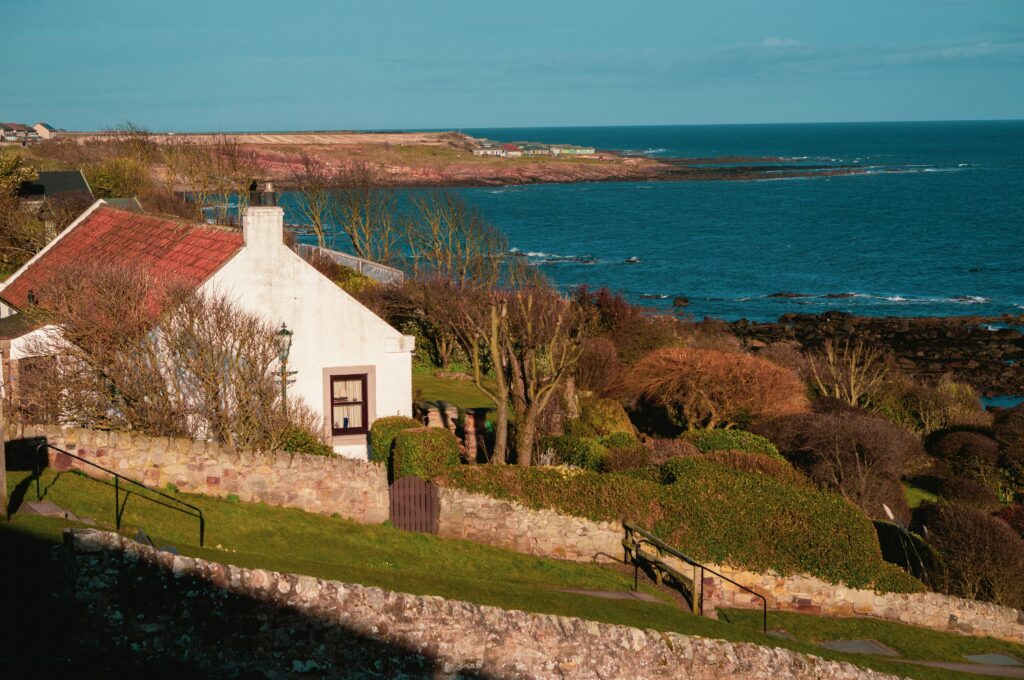
[Photo by Eilis Garvey on Unsplash]
1. Why Do You Want a Holiday Home?
This sounds obvious, but take a moment. Is it mainly for you and your family to enjoy? Or are you hoping to let it out on Airbnb to offset costs? Will it double up as a retirement plan or investment property?
Your answer changes everything. A home you’ll live in part-time needs different things than one you plan to rent out. Tourist hotspots, easy access, low maintenance, and solid local infrastructure matter more if others will be using it too.
Also ask: how often will you realistically visit? If you’re not sure you’ll go enough to justify the spend, it may be cheaper to just book a few nice holidays each year.
2. Location, Location, Headache?
We all fall in love with places while on holiday. But living somewhere – even part-time – is very different from visiting it for a week in August.
Visit in the off-season. Is it dead in winter? Does the village shut down completely from October to April? What’s the broadband like? Can you get a plumber if something breaks on Boxing Day?
Consider how far it is to travel from your main home, especially for short weekends. A four-hour drive sounds doable on paper – until you’re knackered on a Friday evening in January.
Pro tip: look at average weather patterns too. The romance of a lakeside cabin wears off fast if it's damp 9 months a year.
3. Costs Beyond the Purchase Price
Buying a second home comes with a stack of costs you don’t face with your main residence. These can include:
- Higher stamp duty (up to 5% extra in England and NI)
- Holiday let insurance (different to standard cover)
- Maintenance and upkeep – things like roofing, plumbing, security systems
- Utilities and council tax – often higher for unoccupied homes
- Furnishing and equipment – you’ll need to fully kit it out
If you’re renting it out, factor in cleaning fees, management agency costs, and income tax.
This is where a second home mortgage calculator comes in handy. Plugging in the numbers helps you understand what your monthly payments would look like – including interest rates, deposit required, and overall loan cost. Some calculators even help you weigh mortgage options against potential rental income. Essential if you don’t want your dream home turning into a cash-eating nightmare.
4. Will You Be Letting It Out?
Letting can help cover mortgage repayments and maintenance costs, but it’s not hands-off.
You’ll need to:
- Register as a landlord
- Meet safety and legal requirements (e.g. gas checks, smoke alarms)
- Market the property or list it on platforms like Airbnb or Vrbo
- Handle bookings, reviews, and inevitable last-minute issues
Alternatively, you can hire a local management company, but they’ll take a cut – typically 20-30% of your earnings. That’s fine if you budget for it, but don’t assume your rental income is all profit.
Also bear in mind the local council’s rules – some areas now limit short-term lets to curb housing shortages.
5. Tax Implications and Financial Planning
Second homes can affect your tax position. If you sell, you may have to pay Capital Gains Tax (CGT). If it’s classed as a Furnished Holiday Let (FHL), you could get certain tax reliefs – but only if you meet the criteria, like letting it for a minimum number of days per year.
You may also be liable for income tax on any rent earned.
And remember: most lenders ask for a bigger deposit on second homes – usually 25% or more – and interest rates can be higher. So if you’re still paying off your main home, talk to a mortgage adviser before making big decisions.
6. Local Support and Community Impact
This bit’s less financial but just as important. Holiday homes can price out locals in rural and coastal areas. Buying with care – working with local tradespeople, avoiding hollowing out the village by keeping it empty 90% of the time – goes a long way.
Try to integrate. Get to know the neighbours. Join a local Facebook group. If your plan includes renting it out, make sure your guests respect the area too. Nobody likes a loud hen do next door every other weekend.
7. Exit Strategy (Yes, Already)
What happens if your circumstances change? If you stop going, or your kids grow up, or the area becomes less desirable?
Can you sell easily? Would it work as a full-time rental? If the market dips, are you financially okay holding onto it for a while?
You don’t need to be pessimistic – just practical. A smart buyer has a Plan B.
Final Thoughts
A holiday home can be bliss. But it’s not a whimsical purchase – it’s a second property, with all the responsibilities that entails. If you love a location and have the finances planned, it can bring years of joy and maybe a bit of profit on the side.
Just go into it clear-eyed. Use tools like a second home mortgage calculator, speak to financial advisers, and don’t get swept away by a sea view at sunset before checking the flood risk.
Because the only thing worse than no holiday home is one that’s more stress than it’s worth.



These are really good points to consider before buying a holiday home. I would always consider location and financial implications x
Lucy | http://www.lucymary.co.uk
This is so true. These are the things to think about before buying a holiday home. It's nice to have one, but if you want to explore different places, I believe having a holiday home is not a priority.
Great points, Claire! Letting out your second home is a great idea to make a bit of extra money, but there are lots of things to think about first. Thanks for sharing 🙂