AD. When it comes to skincare, the sheer number of products and treatments on offer can be overwhelming. From expensive serums to invasive procedures, it’s easy to fall into the trap of quick fixes. But truly healthy, radiant skin isn’t about short-term gains—it’s about long-term balance. That’s where a holistic approach comes in.
Rather than focusing only on surface-level symptoms, holistic skincare looks at the full picture: lifestyle, diet, environment, and emotional wellbeing. In this guide, we’ll explore the best natural remedies and treatment options that align with this philosophy—giving your skin the care it truly deserves.
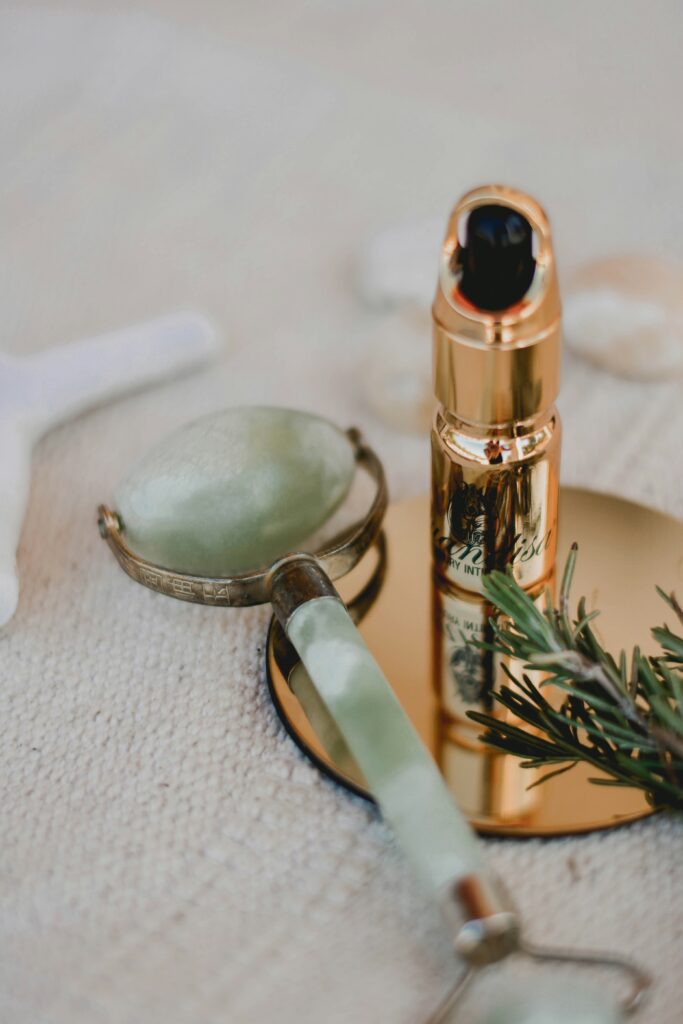
[Photo by Content Pixie on Unsplash]
Understanding Holistic Skincare
Holistic skincare treats the skin as part of an interconnected system. The idea is simple but powerful: what happens inside your body affects what shows on the outside. Hormonal changes, digestion issues, sleep patterns, stress levels—these all impact your skin’s health.
This approach doesn’t ignore science or dermatology. Instead, it complements clinical insights with natural support, helping your skin heal and thrive without relying solely on synthetic ingredients or procedures.
The Basics: Nutrition, Sleep, and Hydration
Start with the foundations. Skin is the body’s largest organ, and like any organ, it needs the right nutrients to function well.
- Eat Clean, Colourful Foods
Antioxidant-rich fruits and vegetables (like berries, leafy greens, and carrots) help fight free radicals, which accelerate ageing. Omega-3 fatty acids from foods like flaxseed, walnuts, and salmon reduce inflammation, which is often at the root of acne and redness. - Drink More Water Than You Think You Need
Dehydrated skin looks dull and ages faster. Even mild dehydration can affect elasticity. Try herbal teas, fresh lemon water, or cucumber-infused sips if plain water bores you. - Fix Your Sleep Schedule
Chronic poor sleep disrupts the body’s repair cycle. While you rest, your skin regenerates—collagen production increases, inflammation calms, and moisture levels rebalance.
Natural Topical Treatments That Work
Nature’s apothecary is more powerful than many realise. While every skin type is different, these ingredients have stood the test of time.
- Raw Honey
A natural humectant, honey locks in moisture and has antibacterial properties that can soothe acne-prone skin. - Aloe Vera
Not just for sunburns—fresh aloe can calm irritation, reduce redness, and help with minor scarring. - Jojoba Oil
Structurally similar to your skin’s natural sebum, jojoba oil helps balance oil production and hydrates without clogging pores. - Green Tea
Green tea extract or chilled green tea compresses offer antioxidant protection and help reduce puffiness and irritation.
Make sure to patch test any natural product before slathering it all over your face—just because it’s natural doesn’t mean it can’t cause a reaction.
Emotional and Environmental Stress: The Invisible Aggravators
Your skin is a mirror of your emotional state. Stress triggers cortisol, which can lead to inflammation, oil production, and breakouts. Anxiety can mess with your gut microbiome, which affects nutrient absorption and toxin elimination.
Holistic skincare encourages:
- Mindfulness practices like breath work or journaling
- Regular movement to promote circulation and lymphatic drainage
- Clean air and a low-toxin home—ditch the synthetic candles, harsh detergents, and excessive plastic packaging.
When to Turn to Professionals
Holistic doesn’t mean anti-modern medicine. A smart, balanced approach is about using all tools at your disposal—including expert advice. If you’re dealing with persistent issues like adult acne, rosacea, or pigmentation, seeing a professional can offer clarity.
It’s important to find someone who aligns with your values. A good dermatologist in London won’t push unnecessary products or treatments, but will help you understand the underlying causes of your concerns, and how to work with—not against—your skin.
Advanced devices like the NOVAA Glow Therapy Mask deliver targeted LED phototherapy to address acne, fine lines, and uneven skin tone with consistent use.
Holistic Treatments Worth Exploring
Beyond creams and masks, there are several low-intervention therapies that support skin health:
- Facial Acupuncture
Increases blood flow and can improve tone and texture without invasive procedures. - LED Light Therapy
Different light wavelengths support collagen production, kill bacteria, and reduce inflammation. - Gua Sha and Facial Massage
These gentle, sculpting techniques help reduce puffiness, boost circulation, and improve lymphatic drainage. - Herbal Supplements
Adaptogens like ashwagandha and medicinal mushrooms can support hormonal balance and reduce stress-related skin flare-ups.
Build a Routine That Feels Like Self-Respect, Not Punishment
Skincare should never feel like a chore. The best routines aren’t about complexity—they’re about consistency. A holistic routine might look like:
- A glass of warm water with lemon first thing in the morning
- A few drops of oil massaged in with intention before bed
- Taking your probiotics and going outside without your phone
- Saying “no” to things that drain you, because stress shows up on your skin
Final Thoughts
The beauty industry profits off insecurity. Holistic skincare offers something more radical: the idea that your skin wants to be well, and it knows how—if you listen. Rather than chasing perfection, aim for balance. Nourish your skin from the inside out, support it naturally, and be patient with the process.
After all, the glow you’re looking for doesn’t come from a jar. It comes from alignment.

One thing I need to keep practicing is hydration, I do sometimes forget to drink during the day! x
Lucy | http://www.lucymary.co.uk