AD. In today’s fast-paced, super digitalised world, finding a peaceful sanctuary at home is more important than ever. One of the best ways to achieve this is by to create a Japanese Zen Garden at home. These gardens, known for their simplicity and tranquility, offer a space for relaxation, reflection, and mindfulness. Rooted in centuries-old Japanese traditions, a Zen garden embodies harmony and balance, making it the perfect addition to any home. Whatever the garden type you have, you can transform your outdoor space into a Zen haven with a few key elements.
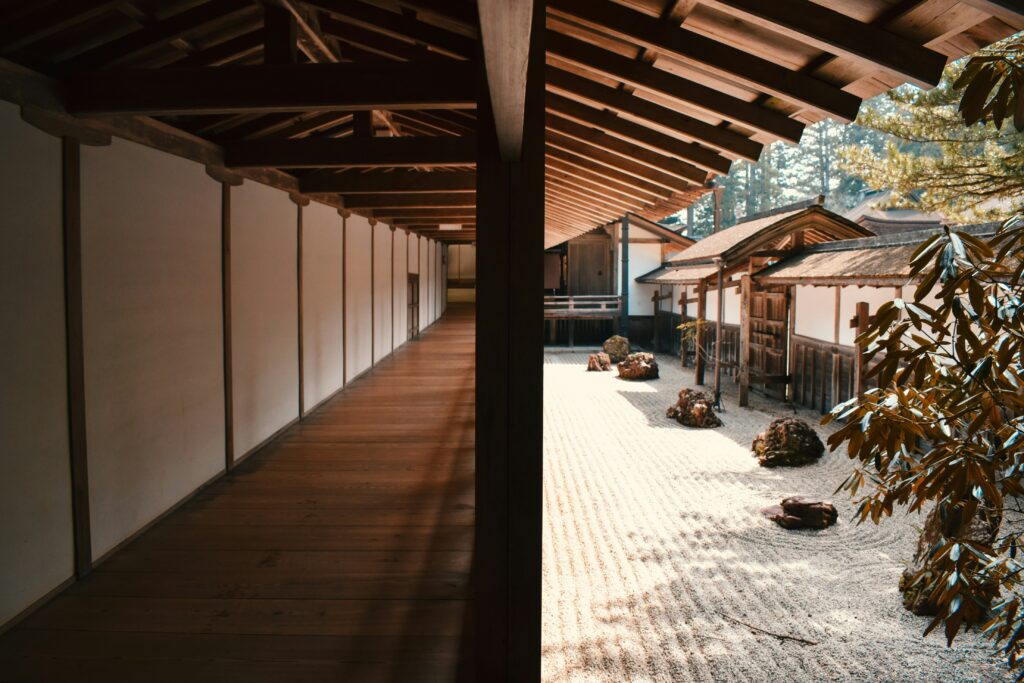
What is a Japanese Zen Garden?
A Japanese Zen garden, or "karesansui," is a minimalist dry landscape that uses rocks, sand, and carefully placed plants to create a serene atmosphere. Unlike traditional gardens filled with vibrant flowers and lush greenery, a Zen garden relies on the beauty of simplicity. These gardens often feature raked sand or gravel, symbolic rocks, and curated plant life to evoke natural landscapes such as mountains, rivers, and islands. The design encourages meditation, mindfulness, and an appreciation of nature in its purest form.
Why Are Japanese Zen Gardens So Popular?
Japanese Zen gardens have gained global popularity due to their ability to provide a sense of peace and balance. They offer a retreat from life's stressors, allowing individuals to reconnect with nature and themselves. The meditative aspect of maintaining a Zen garden, such as raking patterns in the sand promotes mindfulness and relaxation. Additionally, their low-maintenance nature makes them accessible to many homeowners looking for an aesthetically pleasing yet easy to look after space.
8 Ways to Create a Japanese Zen Garden at Home
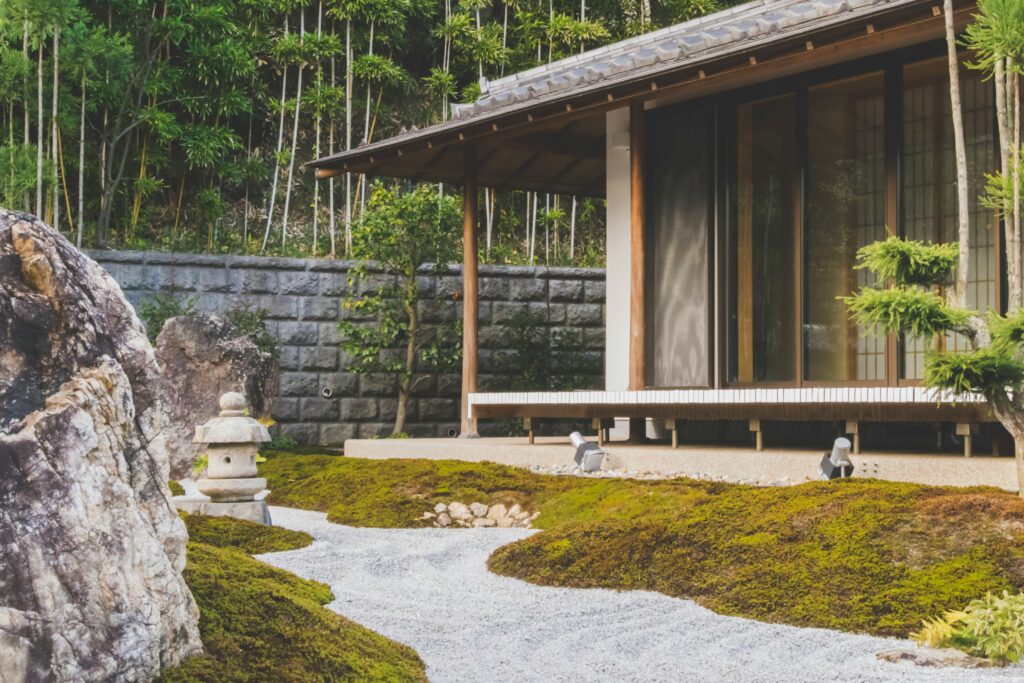
1. Add Gravel Paths
A gravel path is an essential element of a Zen garden, guiding visitors through the space with intention. Using materials like polar white gravels and aggregates can create a visually striking contrast against greenery and dark rocks. Walking slowly along a gravel path encourages mindfulness, allowing you to immerse yourself in the moment.
[Photo by pepe nero on Unsplash]
2. A Dedicated Space for Meditation
A Zen garden is incomplete without a dedicated space for meditation. This can be a small wooden deck, a shaded nook, or a stone platform where you can sit quietly and reflect. Adding a meditation cushion or a small bench enhances the comfort and invites you to pause, breathe, and embrace stillness.
3. Plant Japanese Trees and Shrubs
Incorporating traditional Japanese trees and shrubs adds authenticity and natural beauty to your Zen garden. Consider planting maple trees, bamboo, or pine, which are symbolic in Japanese culture. Bonsai trees and dwarf azaleas are excellent choices for smaller spaces.

[Photo by Bertrand Borie on Unsplash]
4. Incorporate Japanese Ornaments
Japanese ornaments, such as stone lanterns, pagodas, or bamboo water spouts, add a cultural touch to your Zen garden. These elements create focal points that draw the eye and contribute to the peaceful ambiance. Position them thoughtfully to maintain the garden’s balance and harmony.
5. Make a Space to Sit and Reflect
A Zen garden is a place of contemplation, so having a designated seating area is essential. Simple wooden benches, stone stools, or a low Japanese-style tea table can provide a comfortable spot to sit and absorb the surroundings. Facing a sand garden or water feature can also enhance the meditative experience.
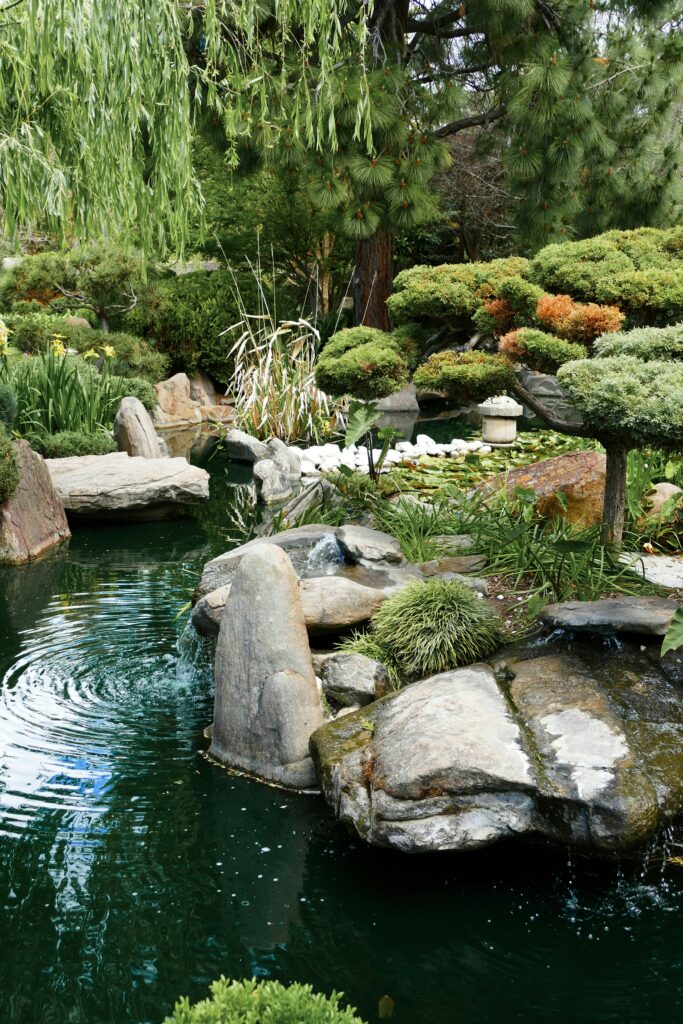
6. Build a Water Feature
Water is a crucial element in Japanese gardens, symbolising purity and the flow of life. A small koi pond, a bamboo fountain, or a simple stone basin can introduce the soothing sound of water, creating a peaceful ambiance. Options like the ball or copper water features you can order online from Mid Ulster Garden Centre would also work well here, and can provide a subtle, water-based element. Simply think about the size, style, and sound you’d like from a water feature. In keeping with the Japanese school of zen, it’s generally worth sticking with quieter, subtler features. The gentle trickling of water adds to the garden’s overall sense of tranquility.
[Photo by Vlad Kutepov on Unsplash]
7. Plant Calming Plants
Choose plants that evoke a sense of calm through their colours, textures, and fragrances. Lavender, ferns, and ornamental grasses contribute to the soothing atmosphere of a Zen garden. Moss is a particularly important element, as it thrives in shade and adds a lush, timeless quality to the space.
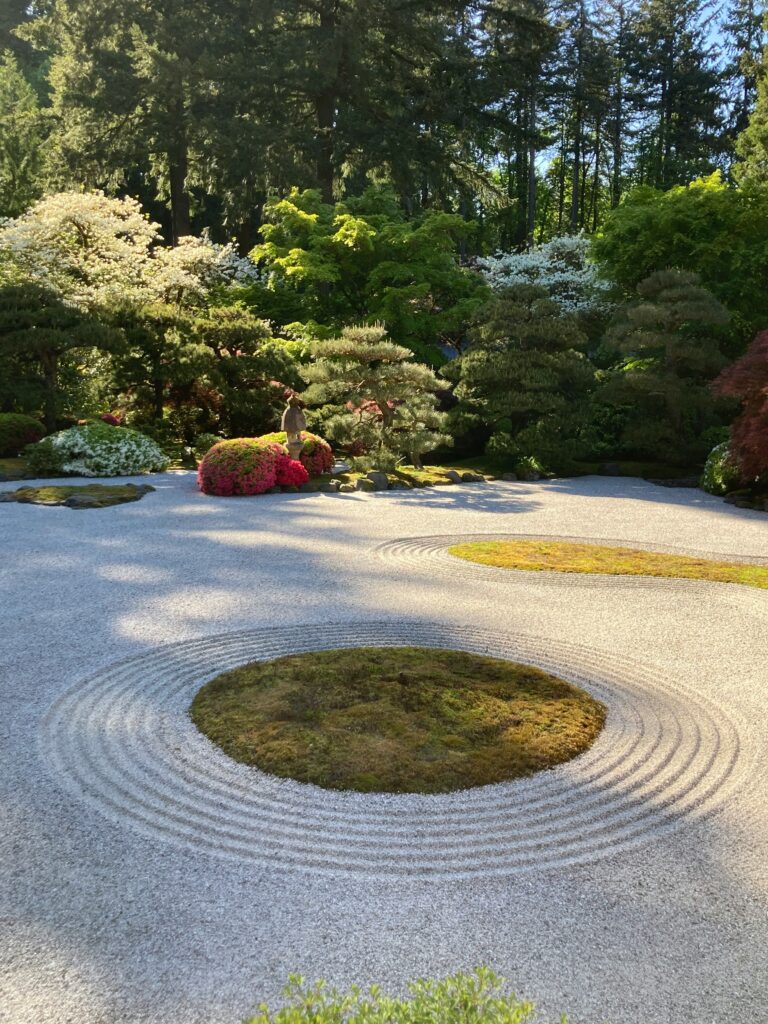
8. Create a Sand Garden
A sand garden is perhaps the most iconic feature of a Zen garden. Using fine sand or gravel, you can create patterns that resemble rippling water. Raking the sand into carefully designed swirls and lines is a meditative practice that promotes mindfulness and relaxation. The sand garden serves as a symbolic representation of nature’s movement and fluidity.
[Photo by Monica Flores on Unsplash]
Conclusion
To create a Japanese Zen Garden at home is a fulfilling and rewarding experience that brings tranquility into your daily life. By incorporating elements such as gravel paths, meditation spaces and water features, you can transform your outdoor area into a tranquil retreat. Whether you use it for meditation, relaxation, or simply as a beautiful space to enjoy, a Zen garden will provide a sanctuary where you can reconnect with nature and find inner balance. Start small, embrace the art of Japanese minimalism, and enjoy the process of cultivating your own personal oasis.



I can imagine it being a rewarding experience if you decide to create a Japanese Zen garden x
Lucy | http://www.lucymary.co.uk
I am sending this to my Mum who is garden obsessed!
Rosie