AD. As you navigate the housing market, viewing new houses with a critical eye is more crucial than ever. This guide offers top tips to help you make confident decisions in a competitive sector.
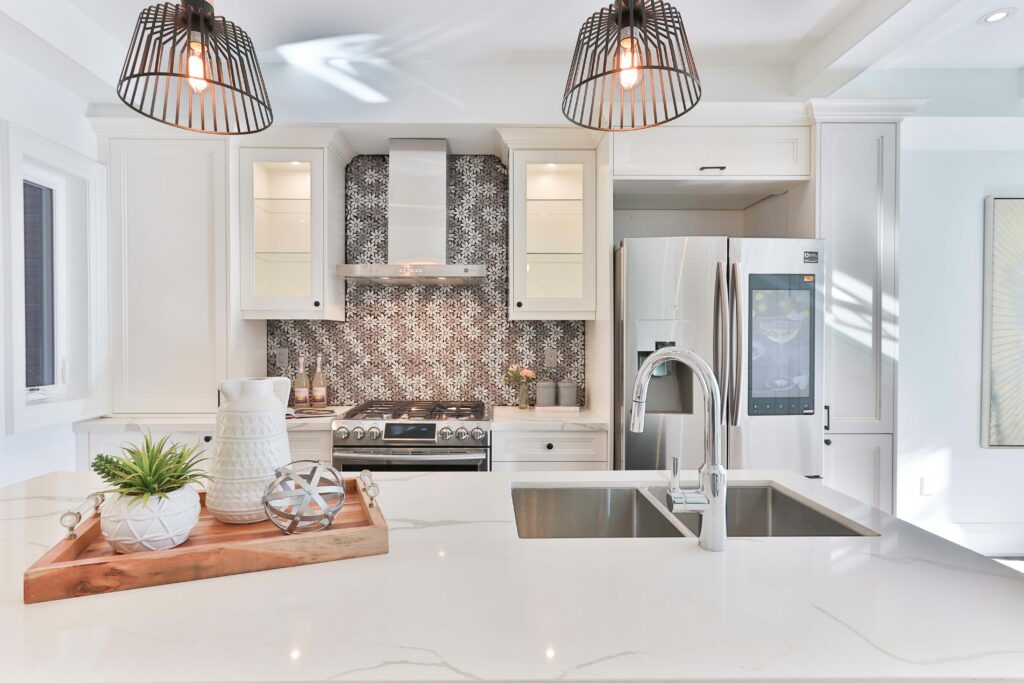
[Photo by Lotus Design N Print on Unsplash]
Tips For Viewing a New Home
Evaluate the neighbourhood
The location is paramount when viewing a new home. Research the area thoroughly to understand its amenities, schools and public transport links. It's also wise to visit the neighbourhood at different times of the day to gauge traffic and the overall vibe. Safety is another critical factor; check local crime rates and speak with potential neighbours to get an honest perspective.
Inspect all structures
A property’s exterior can reveal a lot about its overall condition. Check for any cracks or signs of subsidence and inspect the roof for damage that could lead to costly repairs. Pay attention to the state of the exterior walls, windows, and doors by looking for signs of water damage or peeling paint. Proper drainage around the property is essential to prevent flooding, so you must ensure gutters and downspouts look like they are in good condition. Additionally, consulting an expert plumber is crucial to assess the property's plumbing system, as hidden issues like blocked drains or faulty pipes can lead to significant damage if left unattended.
Examine the floorplan
The condition of the interior is crucial for both practicality and comfort, so make sure the room sizes and layout fit your lifestyle. Evaluate the amount of natural light in each room, as this can significantly impact your living experience. Consider whether there is sufficient space for your future requirements too. Adequate ventilation is also important to maintain a healthy indoor environment, so check for well-placed windows and ventilation systems.
Check any fixtures
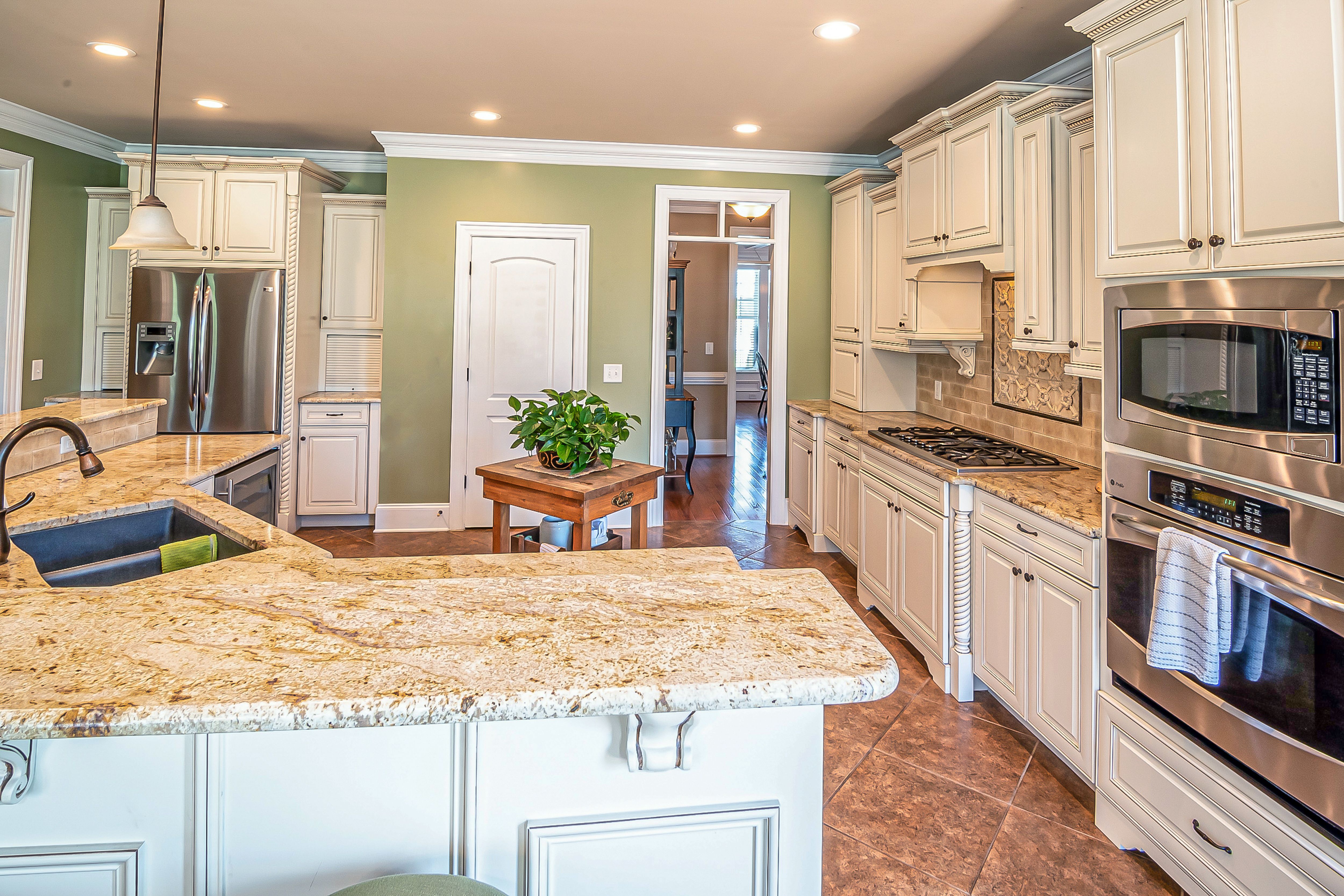
High-quality fittings contribute to the home's value and liveability. In the kitchen and bathrooms, inspect the condition of appliances, cabinets, countertops, and plumbing fixtures by making sure there isn’t any signs of leaks. Test the electrical system by checking all the switches, and ensure the doors and windows open with ease.
Take notes
During the viewing, ask about the building’s history, including its age, any previous renovations, and past issues or repairs. Inquire about average utility costs and taxes too, as this will help you understand the extent of financial commitment. It's also important to know about any upcoming developments in the area that could affect the value or your quality of life. Finally, check for any property restrictions or homeowners association rules that may impact your plans.
To Conclude
Viewing a new home is a critical step in the buying process, so hopefully this has increased your confidence. With careful consideration and attention to detail, you can find a house that meets your needs and offers long-term satisfaction.